Urban Fermentation

Recent Posts

Can Kefir Grains Be Frozen and Easily Revived?


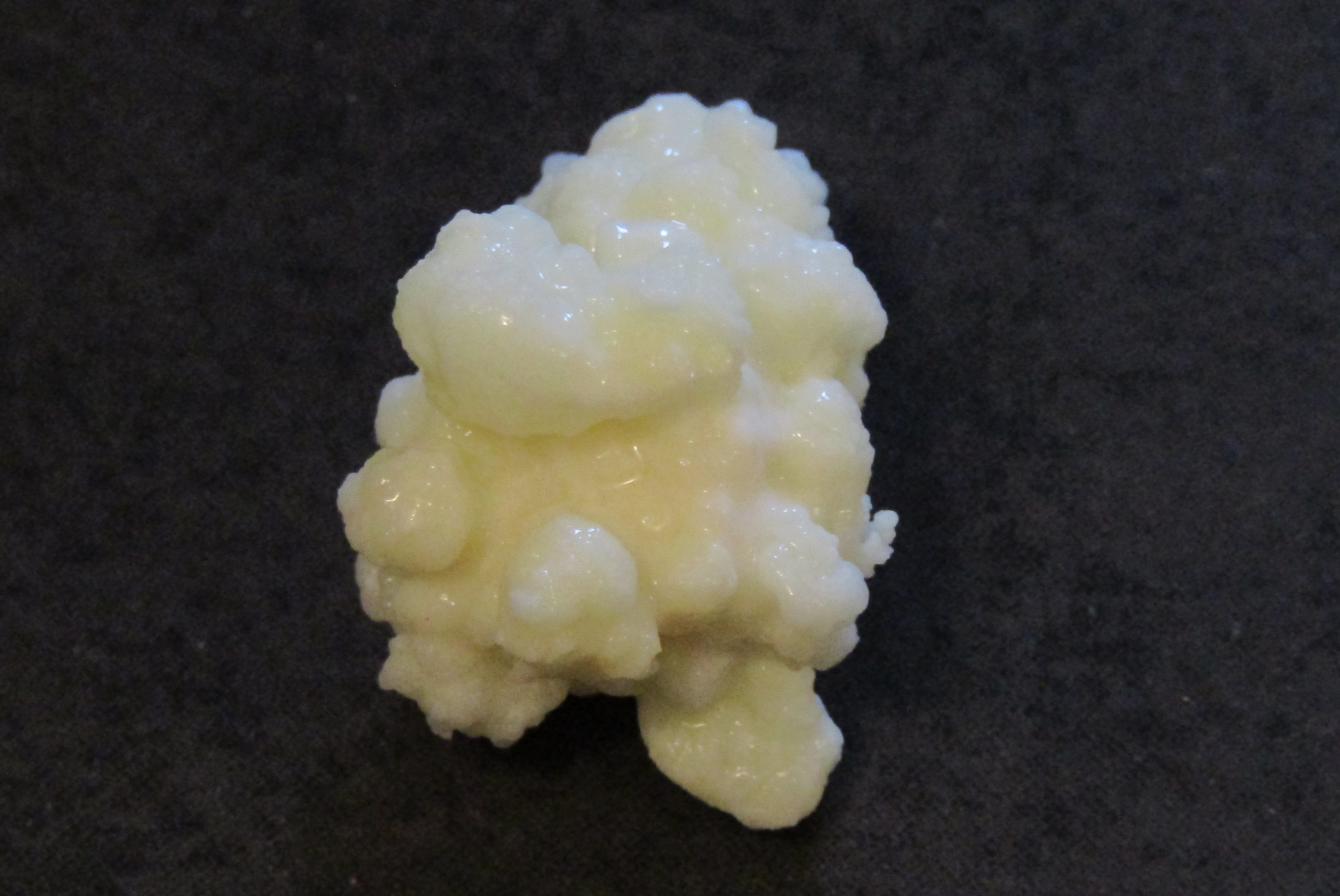
A close up view of a kefir grain on a dark background

Shortly after you start making kefir on a regular basis you may find your grains growing and will have to remove some from the jar.  To ensure you have a backup set of grains it is a good idea to store some of these extra grains.  This can be done by freezing them but to ensure they survive here are a few suggestions.

Kefir grains are made of polysaccharides, lipids and fat and inhabited by yeasts and bacteria.  Frozen yeasts are most viable at temperatures below -4˚C but can survive temperatures of -20˚C.   Bacteria can withstand -20˚C without significant damage making freezing kefir grains for storage viable.

Although freezing kefir grains can work for longer term storage there are some steps which will improve the viability of the kefir grains after thawing.  The survival rates of the three main components of the grains need to be maximized to ensure fast recovery of the grains.

Two ways yeasts are frozen for storage.

  1. Frozen as active yeast
  2. Frozen after dehydrated

When you freeze kefir grains most of the yeasts are active yeast.  The grains are fully hydrated which means they are consuming sugar and producing alcohol.  This is a difficult time to freeze the yeast.  When water freezes it forms crystals which can damage the cell structure making the yeast body no longer viable. 

Alcohol and liquid sugar act as anti-freeze, preventing the water molecules found within the yeast from crystalizing and damaging the cell but as the temperature falls more and more water crystals form.  The colder the yeast gets the fewer yeast bodies survive. 

When yeasts are dehydrated three things which happen which improve the survival rate of frozen yeast.

  1. There is less water in the cell to crystalize and damage the cell
  2. When yeast lacks water the metabolic processes are suspended
  3. The genes responsible for protection against dehydration activate generating proteins which are tolerant to low hydration

This is what happens to Bacteria when frozen

Bacteria is very cold tolerant.  Able to survive long periods of sub-zero temperatures.  The cell walls of bacteria are more resistant to damage from the ice crystals This increases their viability when they are thawed.  When the water solidifies it releases glycerol into the cell which acts as an antifreeze helping the structure of the cell to remain intact.

Once the temperature gets low enough salts begin to form which damage the cell’s DNA which can kill the cell when it is thawed.  Some cells do not survive the freeze thaw cycle so if the culture is repeatedly frozen and thawed there may not be enough live cells left in the kefir grains to be safely used.

The length of time bacteria are frozen does not significantly affect the viability of the culture but the number of active cells is the main factor in culture survival. 

Four methods of freezing kefir grains and how they work

The strain, add milk and freeze method

This method is based on the idea that the cultures in the kefir are still active at temperatures of -4 degrees C (the temperature of most fridge freezers) and to some degree that is true.  Some bacteria’s metabolism is still active at these temperatures but the yeast cultures are less robust when frozen from a fully active state.

When the yeast is fully active it has a high hydration level which leads to high level of water crystals in the cells which can damage it beyond repair upon thawing.  Although the warmed culture will have access to food energy shortly after thawing from the milk they were frozen with this will not make up for the damage caused during freezing.

This method works for short term storage of a month or so but should not be relied on for longer term storage. 

The strain rinse and dry method

Here are the steps for this method:

  • Strain the grains from finished kefir
  • Rinse the grains in non-chlorinated water
  • Pat the grains dry and air dry for at least an hour
  • Place the grains in a plastic bag with some powdered milk
  • Put the bag in the freezer

This method is more reliable then freezing fully hydrated grains.  The yeasts which are mostly present on the outside of the grains get a chance to dry out with the air drying.  This reduces the amount of water within the yeast cells preventing damage from water crystal formation. 

The powdered milk provides food for the bacteria which still require energy at fridge/freezer temperatures and provides energy while the grains thaw.

Deep freeze method

This method has a high chance of success for longer term storage.  The grains need to be prepared like the strain rinse and dry method.  For best results let the grains dry for 24 hours before freezing them.  This gives the yeasts time to produce needed proteins which act as anti-oxidants within the cell.  This increases the survival rate of the yeasts. 

As the yeasts dry they may sporulate which provides the spores for new yeasts to grow once the temperature rises again.

The deep freeze method also provides a consistent cold temperature rather than cycling warm and cold as the refrigerator goes through its defrost cycle.  This improves the number of bacterial cultures which survive the freeze thaw cycle.

Dehydration and deep freeze storage

This is a combination of two methods.

  • Dehydrating the grains
  • Cold storage

To dehydrate your extra grains you can use a dehydrator set at the lowest setting or simply spread them out on some wax paper until dry. Once you have dehydrated your grains store them in the deep freeze in a plastic bag with some powdered milk.

When you dehydrate the grains the yeast which is present has little water within the cell minimizing the damage caused by freezing.  As the grains dry the yeasts will run out available energy. This causes the yeast cells to sporulate providing spores which grow once rehydrated.

Even though the grains are dry does not mean they are totally inactive. Dehydrated grains should then be frozen. This slows the action of the cultures further and increases the survival rate.

How to revive your grains for best results

When you need your extra grains it is important to thaw them correctly to improve the chances of success and limit the time needed to fully reactivate the grains.

When coming out of hibernation the cultures in the grains need energy and minerals to repair the damage incurred by freezing.  Depending on the method used to freeze the grains and the length of time they were frozen their recovery time changes.

Fully hydrated yeasts have the least chance of recovery so provide them with high simple sugar milk like skim or 1%.  The higher the milk fat the less sugar will be available to the yeast cultures.  If your grains have been frozen for 6 months or more you could add some sugar to the milk before adding the kefir grains.

If the grains were dried in any way then they will recover quicker and more of the yeast cells will be viable upon thawing.  This will help the grains to reach an equilibrium faster.

When the grains have been stored for a long period of time most of the yeast cells will not recover.  This is why drying the grains improves their viability.  If the yeast cultures have had a chance to sporulate then those spores will reactivate once they are placed in a warm liquid with available sugar.  This is why grains frozen for long periods of time take time to produce acceptable kefir. 

For best results follow the following procedure:

  • Place the frozen grains in a jar with cold milk
  • Place the jar in the fridge to thaw for 24 hours
  • Once grains are thawed strain the grains out of the milk and add fresh milk
  • Place the jar in a warm location on your kitchen for 24 hours
  • Continue straining the milk every 24 hours until it begins to thicken
  • Once it begins to thicken begin tasting the kefir
  • After two weeks if you do not like the kefir flavor discard the grains and get new

Kefir grains are made up of a wide variety of yeast and bacterial cultures.  When freezing them some cultures may be more susceptible to damage seriously reducing or destroying some cultures.  This can have long term effect on the kefir flavor so if your kefir does not taste good any longer just start again with new grains.
Are All Kefir Grains The Same?


When you are considering making your own kefir it is important to start with grains which will provide you with the best chance of success.

There are two types of kefir grains.  Water kefir grains which ferment sweetened water into a tangy effervescent drink and milk kefir grains which ferment dairy products into a drinkable fermented yogurt like product.  All kefir grains vary depending on their source and current environment.

Not only are there two types of kefir grains but the grains also vary depending on their heritage and their current environment which will have an effect on the different active bacterial species present in the grains.

The type of grains you start with depends on you 

Water kefir grains are used to make water kefir from sweetened water.  The grains are home to a collection of acetic acid bacteria, lactic acid bacteria and yeasts which use the sugar in the water for energy.  The result is a drink which is low in sugar with a high count of probiotics increased vitamins and availability of minerals.  Since it is made without milk it does not contain lactose making it the right choice if you cannot have any lactose or milk based products but still want the benefits of kefir.

Water kefir is usually made into a soda by the second fermentation process where flavors are added using fruit juice, herbs and spices.  This makes water kefir a great substitute for soda pop which is high in sugar with no beneficial probiotics.  It can be used to make healthy punches providing carbonation and a tangy flavor.

Milk kefir grains are used to convert a variety of dairy products into a thickened yogurt like product.  The grains are made up of polysaccharides, lipids and proteins which house a wide variety of acetic acid bacteria, lactic acid bacterial species and yeasts.  Depending on the grains heritage and current environment this community of microorganisms varies widely.  Some samples of grains have had 30 different species identified where others have found to contain up to 60 or more. 

Milk kefir grains also provide a wide variety of probiotic strains, vitamins and increases the availability of minerals which are found in the milk it ferments.

The reason to this variation could be attributed to the age of the grains, the location, type of milk(s) the grains have in contact with and the season.  The cultures use the lactose and other available sugars in the milk as energy, this reduces the amount of lactose in the dairy product making it more easily digested by those who are lactose intolerant. 

Kefir has a higher probiotic count of both water kefir and yogurt and can be thickened to closely resemble yogurt, cream cheese and if placed into a cheese press it can be made into a hard cheese.

The grains are very hardy and versatile being able to ferment a wide variety of liquids including, any animal milks like goat, sheep, buffalo and camel, nut and seed milks and for short durations can be used to make water kefir.

Conditions which affect the kefir grain culture

Not all water kefir grains contain the same species of bacteria and yeast.  The ratio between the cultures also differs depending on the temperature, humidity, the food source and length of fermentation time. Each of these variables will change the kefir grains structure, population and makeup.

When kefir grains of either type are exposed to warm temperatures over a period of time the heat loving yeasts begin to grow rapidly.  As a result the kefir will taste yeasty and it will have a higher amount of alcohol.  The yeast saccharomyces cerevisiae which is the yeast with a high tolerance to alcohol grows rapidly between the temperature of 30 and 35.  Cooler conditions slow the growth of the yeasts which can promote the growth of lactic acid bacteria making the kefir sour.

Humidity affects the transference of oxygen between the culture and the atmosphere.  This is because in dryer climates evaporation drives molecules out of the ferment which slows the absorption of oxygen into the ferment.

The food source which the kefir grains have available change the ratio of cultures because each of the present cultures have different methods breaking down the available sugars.  This is why milk kefir grains sometimes need to get used to a change in milk types.  Although changing the milk fat content of cow’s milk usually does not negatively affect the taste of the kefir more radical changes like switching to goat’s milk or sheep’s milk may take one or two cycles before it stabilizes on a flavor profile.

Water kefir grains can also may need a period of transition when switching to different types of sugar.  White sugar has the least additional minerals which makes it difficult for those cultures which rely on specific minerals for growth.  Those more dependent on available minerals for efficient growth are inhibited when fed only white sugar.  Changing to brown sugar, honey or molasses will produce water kefir with different flavors and will take time to stabilize. 

The length of time kefir ferments will affect the ratio of yeasts, lactic acid bacteria and acetic acid bacteria.  Yeasts and lactic acid bacteria use simple sugars for food giving them a head start on the acetic acid which use the alcohol which the yeasts produce.  Longer fermentation times change the kefir grains as the yeast and lactic acid bacteria growth slows down as the available sugars are used up.   The acetic acid bacteria population increases as more alcohol is made available. 

Is one type of kefir grain better than the other?

Both types of kefir grains have good and bad points.  It all depends on your situation.  If you are allergic to milk then the choice is easy, otherwise you can use either one.

Milk kefir is the only kefir which has been shown to be able to repopulate the gut with probiotics over a longer period of time so if you are trying to reestablish your gut microbiome milk kefir grains would be a better choice. 

Water kefir is also a great substitute for cola so if you like a carbonated beverage during the day it can be a great substitute for pop.  It is low in sugar, is pleasantly tangy and you can experiment with different flavors until you get something you like.

Try both types

Kefir in either form is easy to make only requiring a jar and a warm place to keep it.  Both ferment for relatively the same time and will ferment at room temperature so you don’t have to have an incubation chamber. 

Water kefir is usually made into a soda during a second fermentation stage which adds flavors and carbonates the kefir.  This process is done with water kefir which has been fermented for 24-72 hours.  Additional flavors have are then added to the kefir and it is placed into a pressure sake container to carbonate.  It is important to understand this process because if you do not use the correct containers they can explode and cause serious injury.

Milk kefir can also be second fermented to add additional flavors and textures but it is usually added to creamy drinks like smoothies and milk shakes.  It can be thickened by filtering out some of the whey and made into cream cheese for dips, dressings and deserts like ice-cream. 

Making kefir with either type of kefir grains provides a wider spectrum of health benefits then their store bought counterparts.  It is a good idea to try the store bought versions to see if you like either type but understand that your own homemade kefir will have variations which the store version does not.

This is not a bad thing.  You have control of the flavors but there will be some failures so don’t be discouraged if your first attempts are not what you expected. 

Kefir grains of both types are robust.  They will rebound from neglect, improper feeding and rapid environmental changes.

What a Kombucha SCOBY Is and How it is Formed


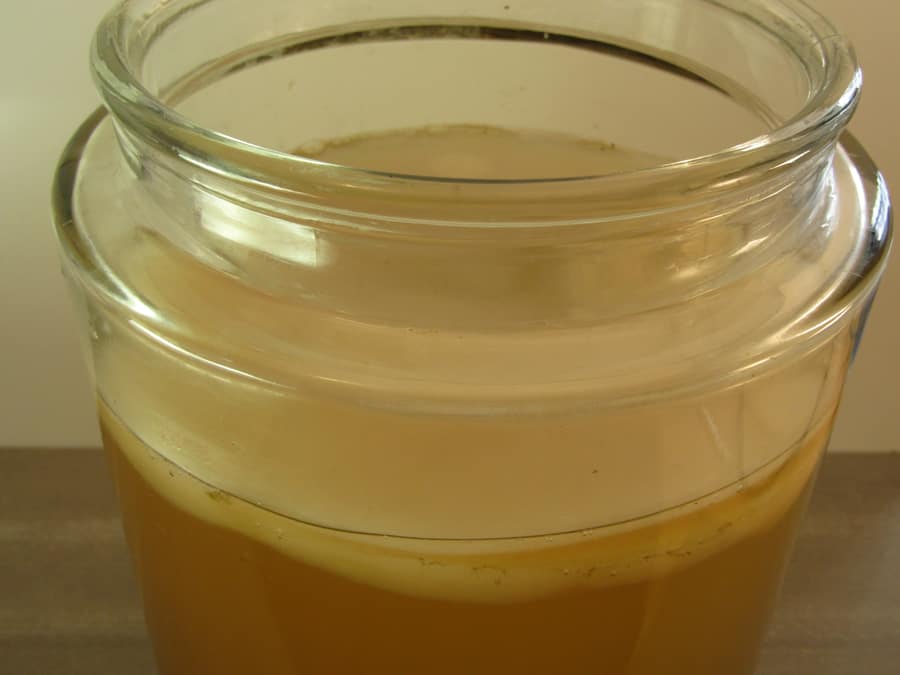
Mason jar with fermenting kombucha

When you first start out making kombucha you will have to handle the firm jellylike covering which grows on the top of your fermentation.  This is a SCOBY and is necessary for making good tasting kombucha.

A kombucha SCOBY is made up of protein and polysaccharide strands produced by acetic acid bacteria (AAB) found in the starter.  AAB produces a biofilm which floats on the surface of the container. In time it forms a thick firm mat occupied by live acetic acid and lactic acid bacterial cultures.  

Making great kombucha depends on understanding what your SCOBY is and how it is formed. 

The makeup of a Kombucha SCOBY

There are two types of polysaccharides which are found in a kombucha SCOBY.

  • Cellulose
  • Starch

The polysaccharides come from a number of sources.

The cellulose comes mostly from the yeast and bacteria cells once they die off.  The cell membranes of the yeasts are made up of cellulose which the culture has no way to break down.  The cellulose is used by the acetic acid bacteria to produce the biofilm which makes up most of the structure of the SCOBY. 

Another source of cellulose in the sweet tea are the residue left by the tea leaves. The structure of plants is mostly made up of cellulose which gives the plant its strength. When the tea is steeped micro-particles of cellulose become suspended in the tea which then can be used by the acetic acid bacteria.

The type of sugar also affects the amount of cellulose in the tea.  Pure white sugar has been refined to contain only small amounts of cellulose but other types of sweeteners can contain higher amounts.  Raw sugar, brown sugar or molasses contain higher amounts of other components including cellulose and starch.

The dominate cultures in the SCOBY prevent the growth of molds which can break down the polysaccharides into simple sugars.  Without these molds the culture is unable to efficiently use the cellulose and starches for energy.  This leaves these long chain sugars available to the acetic acid bacteria as construction materials for the biofilm which is the main component of the SCOBY. 

Only a few bacterial cultures are able to break down the polysaccharides into monosaccharides which are found in the kombucha culture.  This is why your SCOBY will continue to grow indefinitely as long as there is enough raw materials to make the biofilm. 

The other main component of your SCOBY is protein

The protein comes from the cell bodies which are included in the SCOBY when the yeast or bacteria dies on or in the SCOBY.  The proteins are broken down and used as sources of amino acids and minerals for the growth of the cultures found in and on the SCOBY.

Other components include vitamins and minerals.  The vitamins have several sources including:

  • Tea leaves
  • Microorganism respiration
  • the sweetener used

The tea leaves which are used to make the sweet tea has a powerful effect on the vitamins and minerals found in the SCOBY as well as in the kombucha itself.  Tea leaves contain carotene, vitamin B1, B6 and pantothenic acid. 

The three types of microorganisms found in a kombucha SCOBY all produce vitamins for their own use.  Some of these vitamins remain in the SCOBY while some make their way into the kombucha.

Yeasts produce a wide variety of B vitamins including B12, acetic acid bacteria make vitamin C in large quantities and lactic acid bacteria also produce B vitamins including folate and vitamin B12. 

Depending on the type of sweetener used it can also provide minerals for the culture. If you wnat the most minerals in your kmbucha used sugars which have been prosessed the least like raw sugar, brown sugar or molassis.

Honey can also be used. When honey is used along with green tea rather than the traditional black tea the kombucha is called Jun.

How a SCOBY is formed

A SCOBY is technically a form of a pellicle which is a formation of biofilm produced by bacterial cultures to protect itself from pathogenic bacteria.  They are produced by a wide variety of bacterial species.  A kombucha SCOBY is produced mainly by the acetic acid A. xylinum.

It forms first as a thin biofilm on the surface of the sweet tea which thickens over time.  The cellulose structure has long intertwined strands which interconnect and stretch as the SCOBY grows.  As the biofilm thickens other bacterial cultures are included in the structure of the SCOBY which helps it to maintain the cultures viability and robustness. 

How knowing the makeup and formation can improve your kombucha making

Understanding the process of how a SCOBY forms is valuable for two reasons:

It helps you support the health of your culture

A healthy growing SCOBY helps to maintain a balanced kombucha culture.  A culture which is dominated by one species can give the kombucha unpleasant flavors.  You can maintain a balanced culture by evaluating the state of your SCOBY.

The acetic acid bacteria can overwhelm the culture making an overly sour, vinegary kombucha in a short period of time.   If your SCOBY is growing fast producing a thick new mat over a short period of time then the acetic acid bacteria may have the upper hand.  To reign it in you could reduce the amount of surface area exposed to the air.  This gives the acetic acid bacteria less access to oxygen which it needs to grow.

If your SCOBY is thick with many layers it can support a higher amount of acetic acid bacteria so it may be time to divide it.  Peel off the top layer of the SCOBY and only use it to ferment your next batch.  You can use the remaining SCOBY in a variety of ways.  For some ideas read this post about what to do with extra SCOBYs.

When yeasts dominate the culture the kombucha takes on a yeasty flavor and has a higher in alcohol content then you may wish.  If your SCOBY has dark spots growing on the bottom of it and/or dark strings are hanging from it then the yeasts may be dominating the culture.  This leads to a higher alcohol content because the yeasts can produce more alcohol then the acetic acid bacteria can consume.  To fix this you could lower the temperature which you ferment your kombucha as yeasts love the heat but lactic acid and acetic acid bacteria grow better between 20-25 degrees Celsius.  

If the lactic acid bacteria get the upper hand then the kombucha becomes overly tart and astringent.  Although lactic acid bacteria are minor players in a kombucha fermentation they are still present and can dominate the culture if the acetic acid do not have enough oxygen and the yeast are not warm enough. 

When your SCOBY grows slowly but the kombucha acidifies quickly this is a sign that the lactic acid bacteria have the upper hand.  Solve this by increasing the surface area of the container or reducing the amount of sweet tea and raising the temperature of the fermentation. 

Increasing the surface area will increase the amount of oxygen available to the acetic acid bacteria which will promote their growth. Rasing the temperature will provide needed heat for the yeasts to compete for sugar with the lactic acid bacteria in the sweet tea.

It helps to remove the gross factor

When you first start making kombucha the SCOBY seems gross.  It is slimy, rubber mass of semi-transparent snot like material.  You will probably not want to touch it but in time you will grow accustomed to it.  When you start to collect old SCOBYs in another jar (called a SCOBY hotel) you know you have crossed over.

A kombucha SCOBY is not alien or parasitic it is simply a thickened mass of polysaccharides and protein which acts as a shelter while your kombucha ferments. It preventing mold growth on the surface of the ferment because of its low pH and helps the acetic acid bacteria get enough oxygen to grow by providing a large surface area for oxygen exchange between the liquid and the air.

Is a kombucha SCOBY edible?

Not only is it edible but it is good for you.  The SCOBY is full of vitamins, minerals and insoluble fiber.  The insoluble fiber helps to feed the probiotics in the gut as well as adds bulk which improves regularity.  If you find yourself being overwhelmed with SCOBYs you can use them in a wide variety of recipes from the morning smoothie to sourdough starter.

So if you find a little SCOBY in your kombucha soda don’t worry it is perfectly healthy.  You can swallow it, leave it in the glass or filter it out and compost it. 

What Does Wild Fermentation Mean?


Wild fermentation is synonymous with natural, spontaneous and indigenous fermentation.  It means that the beneficial yeasts and bacteria which are naturally occurring on the food or drink are allowed to grow throughout the fermentation process.  When put in the right environment the beneficial yeasts and bacteria dominate the culture preventing the growth of pathogenic or spoilage organisms.  It is used in the production of all types of fermented foods like sauerkraut, pickles, vinegar, wine and beer.  It may sound like an uncontrolled process but in fact it is highly controlled and scientific in nature.  Each type of fermentation requires a different temperature, container, timeline and ingredients to be successful. 

Three common types of wild fermentation

Yeast fermentations

Yeast cultures need simple sugars to multiply and grow quickly in a warm environment.  Most yeast strains are not salt tolerant.  They do not need oxygen to multiply but their respiration is more efficient in the presents of oxygen which produces less alcohol.  These conditions have been taken advantage of by the alcohol production industry. 

Alcoholic beverages and other alcoholic liquids are fermented in anaerobic conditions, mostly in warm conditions without the addition of salts.  This is done whether the fermentation is wild or not.  The difference being wild fermentation relies on naturally occurring yeasts rather than packaged yeasts developed for specific purposes.

Wild yeast fermentations found in the wine and beer industries are referred by the terms “natural” and “spontaneous” respectfully. 

Natural wine is how wine was made for centuries.  Although the term natural encompasses a wider meaning which includes growing grapes without the use of pesticides and chemical fertilizers and non-mechanized methods of harvesting. 

Fermenting grapes naturally relies on the yeasts which are found on the grapes and in the environment.  The process involves the crushing of grapes which helps the resident yeasts of the grapes to access the sugars found in the fruit.  After a short period of exposure to oxygen the grapes are then pressed leaving the resident yeasts in the must.  The must is then placed in air locked containers to limit the growth of unwanted bacteria like acidic acid bacteria (which will turn wine into vinegar). 

Spontaneous fermentation of beer is done quite differently.  The wart is made by boiling the ingredients to stratify the carbohydrates into simple sugars.  The boiling also kills off the natural yeasts needed to convert the wart into beer.  To encourage spontaneous fermentation in beer the wart is poured into wide and shallow vats which are exposed to the air of the brewery.  The resident yeast cultures in the air are deposited into the wart which has a high sugar content.  The yeasts quickly dominate the culture in the first few days of the fermentation.  Once the rapid fermentation subsides it is filtered and placed into a secondary fermentation container with an air lock.  This allows the yeast to consume the remaining sugars without competition with other bacterial cultures.

Lactic acid bacteria fermentations

To successfully ferment using wild lactic acid bacteria the environment needs to have a brine with a salt percentage of at least 2.5%, kept in a cool location not above 72 degrees and in an anaerobic environment.

Lactic acid bacteria fermentation is usually used for fermenting vegetables.  A wide variety of fermented vegetables are made by the simple process of stuffing vegetables into a jar with salt and some type of liquid and then sealed to limit the oxygen in the container.  Lactic acid bacteria do not need oxygen to live and they are salt tolerant so they can survive the brine made by the salt mixing with the liquid.  Yeast and mold are not as salt tolerant so they cannot dominate the culture.  Once the lactic acid has acidified the vegetables other cultures cannot get a foothold in the culture which further protects it from spoilage.

Sauerkraut is made by shredding cabbage, adding spices and salt and then jammed into a crock until the cabbage juice covers the shredded cabbage.  It is then sealed in a variety of ways and left to ferment in cooler temperatures.  Pickles are made using a salt brine rather than the cucumbers natural juices. The process is the same, stuff a container with cucumbers add the brine and cover.  

Acidic acid bacteria fermentations

Acidic acid bacteria grow best when they have access to alcohol and oxygen.  They are used to make vinegar from any type of alcohol including grape wine, beer and sake.  They also will produce vinegar from any liquid which contains yeasts while exposed to the air. 

Acidic acid bacteria are the culprits which turn wine into vinegar.  They need oxygen to grow well which is why alcohol fermentation includes a period of fermentation in an anaerobic environment. 

Acidic acid bacteria grow wherever there is access to oxygen..  Although they grow best with alcohol there are strains which can use sugar as well

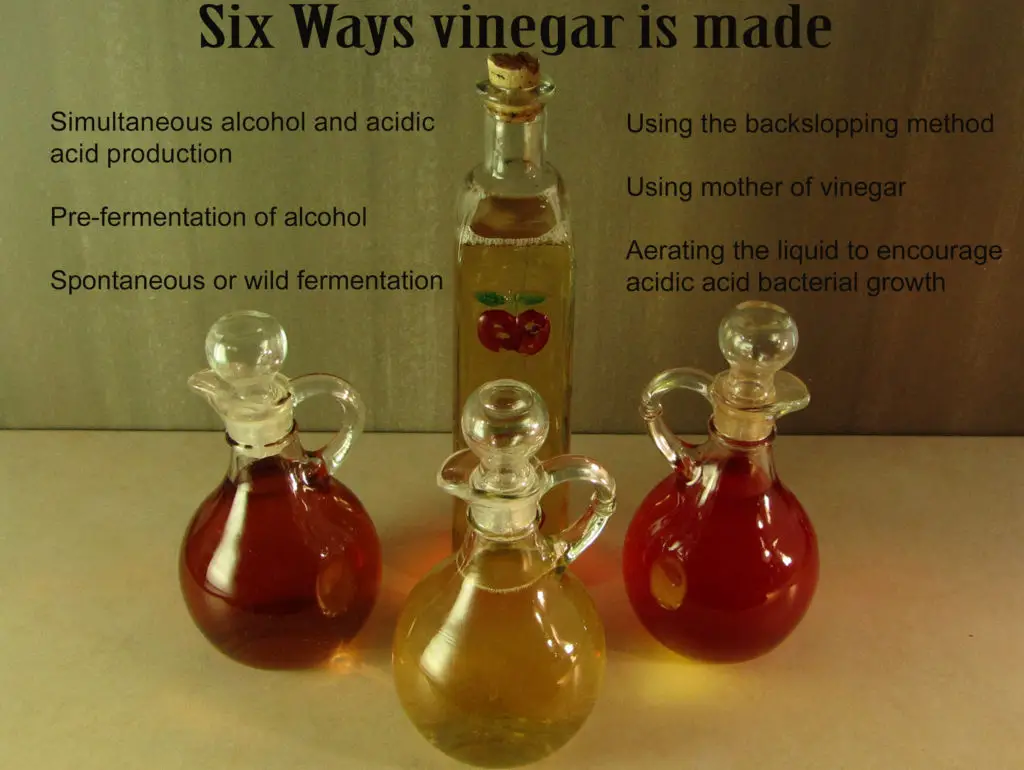
There are several ways to make vinegar which include simultaneous alcohol-acidic acid fermentation, pre-fermenting the liquid into alcohol then aeration of the liquid.  Each method produces different flavors and characteristics of the vinegar.

Not all wild fermentations are limited to only one type of fermentation culture

If you have ever made sourdough you have used a culture which has all three of these cultures in it.  The yeasts in the sourdough starter are joined by lactic acid bacteria and acidic acid bacteria which when mixed with fresh flour act on the sugar in the mixture to produce CO2.  The CO2 gets caught in the dough causing it to rise. 

Kombucha can also be wild fermented by acidifying a batch of sweet tea and placing it in a warm location.  The liquid will become a breeding ground for yeast and lactic acid.  Once the yeast starts to produce alcohol acidic acid bacteria will also start to grow. 

Ginger bug is another wild fermentation which is dominated by yeast and lactic acid bacteria.  Made by adding chopped ginger water and sugar to a jar the yeasts and lactic acid bacteria quickly dominate the mixture and prevent spoilage cultures from getting a foothold. 

Fermentation will happen

Let’s be clear.  Fermentation is not something which we invented, developed or fully understand.  It is a natural process which breaks down organic material into simpler forms.  It is God’s recycling program.  We have just learned how to control the conditions of the fermentation to produce a wide variety of foods and drinks. 

Wild fermentation is how these products were developed and made through the centuries.  Although not all fermented products are made today through wild fermentation they all have their roots in a spontaneous event where some useful microorganism ended up in a food product and produced something good.  Once it was discoverd that using some of the new fermentation to start another batch worked the process of backpropagation and selection began. 

This is where cultures which fit a certain criteria are used to start the next batch, environmental conditions and length of time are considered to control the outcome.  The method of using one culture to start another is called backslopping.  This method has been taken to the extreme with the development of packaged starter cultures.  These starter cultures are grown in ideal conditions for specific uses such as bread yeast, wine yeast, even mold cultures in the case of Japanese koji, but they all started with a wild fermentation.

Not all fermentations can or should be made using wild fermentation

Some fermentations undergo several steps to be successful and must be treated correctly to get a specific result.  These include making any fermentation using koji like saki, soy sauce and miso.  Tempeh also needs a specific mushroom culture to produce the wanted flavors and health benefits. 

Another culture specific product is cheese.  Cheese is made from a variety of milks and cultures, fermented at different temperatures and times and with different starter cultures. All these variations produce an unlimited number of different cheeses.  If they were wild fermented the end product would be unpredictable, not bad or unhealthy just unpredictable.  Therefore to control whether cheddar or blue cheese is made the conditions are controlled including the culture which is introduced at the correct time and temperature.

Natto is another fermentation which had its roots in wild fermentation when boiled soybeans were packaged in straw.  Providing an ideal environment for the bacterial culture Bacillus subtilus which is naturally found on grass throughout the world to grow.  The beans were consumed and found to be healthy and appealing.

Why you should try wild fermentation

Just like modern fermentation methods wild fermentation is not dangerous or risky when the proper methods are used.  It can be done with a minimum of equipment with a wide variety of mediums.  You can make alcohol, preserve vegetables, produce healthy drinks and above all add to the variety of bacterial cultures in your gut.

Wild fermentation produces some of the best tasting products.  Adding depth of flavors to alcoholic drinks, vegetable preserves and non-alcoholic drinks which cannot be duplicated using modern methods. 

So give it a try.  It is easy, healthy and delicious.

Is Vinegar A Fermented Food?


All vinegar is made by fermentation in a two-step process. 

1. Yeast and lactic acid bacteria produce alcohol and lactic acid

The yeast cultures use the sugars in the liquid for growth.  The concentration of the alcohol which the yeast cultures make depends on the amount of available sugar in the liquid.  The eventual acidity of the vinegar depends on how much alcohol which the yeasts produce. 

2. Acetic acid bacteria use the alcohol and lactic acid to make acetic acid

The acetic acid bacteria need alcohol and/or lactic acid plus oxygen to produce acetic acid (which is the acid which gives vinegar its tangy flavor).  Acedic acid bacteria will continue to acidify the liquid until either the alcohol in the liquid is exhausted or it reaches a PH of 3.0 at which point the acetic acid bacteria can no longer survive and the acidification of the vinegar stops.

Ways vinegar is made

Although the process of making vinegar requires production of alcohol and exposure to oxygen there are many variations of how this is done. 

  1. Simultaneous alcohol and acetic acid production
  2. Pre-fermentation of alcohol
  3. Spontaneous or wild fermentation
  4. Using the backslopping method
  5. Using mother of vinegar
  6. Aerating the liquid to encourage acidic acid bacterial growth

These methods can be combined to produce a wide variety of techniques which accomplish different flavors, acidic acid concentrations and commercial purposes.

Simultaneous fermentation of alcohol and acetic acid

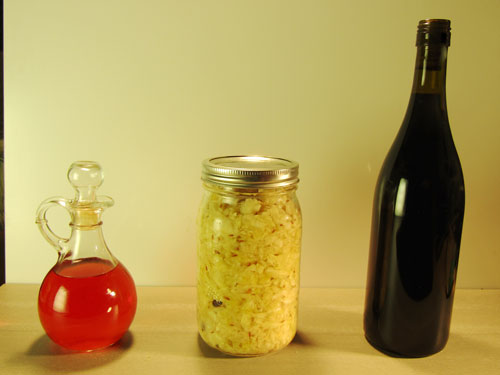
This is the usual method used to make homemade vinegar like this strawberry vinegar.  The process is done in a wide mouthed container giving the acetic acid as much surface area as possible.  This method can be done with wild yeasts or using some pre-inoculation step (backslopping or addition of mother of vinegar).

simultainious fermentation produces some very interesting vinegars because the alcohol levels of the liquid remains low throughout the process giving yeast cultures which have a low tolerance to alcohol a chance to remain viable.  This adds additional flavors to the vinegar that would not be as prevalent if the alcohol was produced first.

Pre-fermentation of the alcohol

Acetic acid bacteria(AAB) need an anaerobic environment to grow.  Beer and wine makers take advantage of this by fermenting their beverages in air locked containers which prevent oxygen exchange.  This prevents the growth of AAB and encourages the growth of yeast cultures which produce a high alcohol content.  To make vinegar out of these types of liquids all that is required is that they get exposed to oxygen. Since AAB are always present in the environment they quickly begin to multiply turning the alcohol into acidic acid (vinegar).

Vinegar can be made by pre-fermenting your vinegar base until the alcohol content has reached 9-12% and then exposing it to oxygen.  The vinegar base can be any sweet liquid fermented with alcohol producing yeast.  You can use fruit juice, molasses, rice wine or tree sap syrup.  The wild fermentation method or some form of inoculation step can be used to convert it into vinegar.

Wild Fermentation method

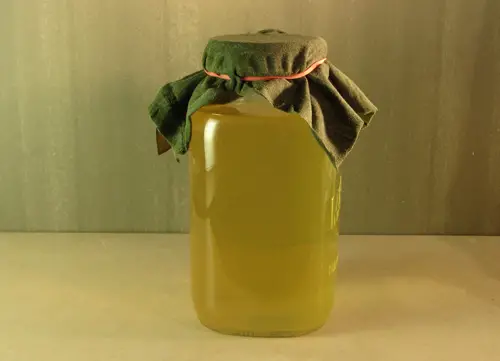
This method relies on the fact that there are Acetic acid bacterial species in the environment everywhere in the world.  This species of bacteria produce acetic acid from alcohol and lactic acid.  The liquid can be turned into vinegar using the wild fermentation method by pouring it into a wide mouthed jar and placing a cloth or some other breathable material secured over the top of the jar.  The resident acetic acid bacteria will begin to multiply and produce acetic acid and CO2.  In a few weeks the vinegar will be noticeably tangier.  

Using some type of inoculation

There are two methods of inoculation used in making vinegar

Backslopping

The backslopping method which requires the addition of non-pasteurized vinegar into the liquid.  It is not necessary to include the mother which is the solids usually found in the bottom of a container of non-pasteurized vinegars like apple cider vinegar.  When backslopping with vinegar it is only necessary to transfer a sample of the acidic acid bacteria which is present in one vinegar into another.  This shortens the time the AAB need to dominate the fermentation and acidify it into vinegar.

When using the backslopping method on non-alcoholic sweet liquids it is important to add enough vinegar to acidify the liquid enough to prevent spoilage bacterial growth.  To ensure consistent results add 1 part finished vinegar to 4 parts sweet liquid. 

Using a vinegar SKOBY

A vinegar SKOBY is like using a kombucha SKOBY.  It can be done in two ways.

The continuous vinegar method

This method can produce vinegar on a continuous basis.  It is just like continuous kombucha where you start with a sugary or alcoholic liquid and leave it exposed to the air for two to three weeks until it becomes acidified.  Soon the wild bacteria in the liquid will begin to form a solid cellulose layer on the surface. Once this happens start tasting the vinegar.  When it reaches the appropriate acidity pour some out into a bottle.  Top up the jar with more new liquid of the same type.

The batch method

This method is used to make large batches of vinegar which can then be used immediately or aged to develop deeper more complex flavors.  In a large glass container place the base liquid you want to use for the vinegar.  Add the SKOBY to the jar. Cover the jar to prevent insects from getting to the vinegar and wait.  As the AAB increase in population the liquid will acidify. 

Aerating the vinegar

There are three methods which are employed to aerate the liquid

The Boerhaave Process

This method can produce vinegar quickly by adding surface area for the acetic acid bacteria to grow on. 

To use this method two containers are needed with some type of twigs or other porous material in each container.  One of the containers is filled with an alcoholic liquid and the other only a ¼ full.  The method is then to transfer from the full container into the empty one until it is full.  By doing this daily the surface area is increased when the twigs are exposed to the air and when the liquid is poured from one container to the other.  The acetic acid bacteria will grow on the porous material and the transferring from one container to the other will aerate the liquid adding more oxygen for the AAB.

The generator method

This method is similar to the Boerhaave method as its process increases the amount of surface area which the acetic acid bacteria grow on. 

The system has two containers one on top of the other.  The top container is filled with a porous material.  This increases the surface area which the AAB have to grow on which increases their numbers.  The bottom container has a pump which pumps the liquid in the bottom container through the porous material in the top container.  The liquid flows down through the porous material and drains back into the bottom container.

The submerged method

This is the method most used in industrial vinegar production as it is fast and produces consistent results.  The system requires an alcohol solution to be used rather than a sweet liquid. 

The container has an air pump located in the bottom which distributes air throughout the liquid providing ample oxygen for the AAB to grow.  The process takes only a few days for the alcohol to be converted into vinegar which is why this method is so popular with industrial vinegar makers.

Other Processes which are used in vinegar making

All vinegar is fermented with one of the above methods but once the AAB have done their job there are other processes which some vinegar goes through before it is used.

 Distillation

When you buy white vinegar from the store it has been distilled.  This is the process of removing any solids, bacteria, yeast and flavors which may have come from the original liquid. 

The distillation process is the same as the one used for distilling alcohol but instead of concentrating the alcohol it concentrates the acidic acid. 

Aging

Vinegar is like wine, the flavors and feel of the vinegar changes over time.  Some types of vinegar are aged over long period of time such as balsamic vinegar or rice vinegar.

Balsamic vinegar is fermented for a period of five to 25 years and undergoes a specific fermentation process.  It is aged in casks of various types of wood and is transferred into smaller and smaller casks as the vinegar is concentrated and takes on the various flavors of the wood. 

Rice vinegar can also be aged over a long period of time, sometimes up to 10 years or more.  This type of rice vinegar has a deep umami and strong pungent flavors.  It is made from brown rice and is aged in pots outside getting exposed to the elements throughout its aging process.

Pasteurization

Some vinegar is pasteurized which is the process of heating the vinegar to kill active bacterial cultures.  It is used to keep the vinegar flavor profile the same and prevent the continuing acidification of the vinegar. 

Some believe that pasteurization will extend the life of vinegar but this is not true.  Once the vinegar has reached maturaty there is very little microbiale activity in the vinegar without pasteurization. Vinegar is considered to have an indefinite shelf life when it is kept in a sealed container. 

Vinegar stored in plastic containers will start to taste stale (actually it will start to take on the flavors of the plastic container).  If you want to store vinegar for a long period of time, store it in glass containers rather than plastic.

9 Important Differences Between Kefir and Yogurt


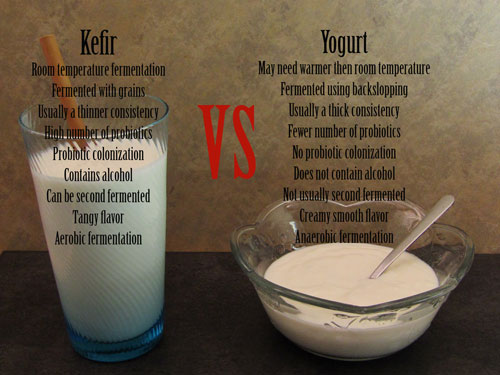
Glass of Kefir and a bowl of yogurt

Although kefir and yogurt are both fermented milk products which thicken the milk they are different in several ways.

Kefir Yogurt
Fermented at room temperatureMay need added heat
Fermented with grainsFermented using backslopping
Usually a thinner consistencyUsually a thick consistency
High number of probioticsFewer number of probiotics
Probiotic colonizationNo probiotic colonization
Contains alcoholDoes not contain alcohol
Can be second fermentedNot usually second fermented
Tangy flavorCreamy smooth flavor
Aerobic fermentationAnaerobic fermentation

Fermentation temperature

Starter cultures for milk fermentation come in two temperature groups.

  • Mesophilic:  Will culture at room temperature
  • Thermophilic: Needs heat above room temperature

The difference between the two is the variaty of species found in the culture. Some species perform best in cooler temperatures and some like it warmer. When most of the species found in a culture performs the best in cooler temperatures the starter will be mesophilic. The opposite is true for Thermophilic.

Kefir is mesophilic but will culture in a wide range of temperatures. 

This is because the type and number of cultures which are involved in the fermentation of milk into kefir.  Milk inoculated with kefir grains will ferment slowly in the refrigerator, faster on the counter and even faster if heat is applied.   Although the kefir will taste different with each method the milk will still thicken and sour in all cases. To learn more about how the temperature affects kefir read Five Reasons Why Kefir Separates: Plus the Real One.

Yogurt can be made both ways as well but the difference is that the starter cultures for mesophilic yogurt and thermophilic methods are different.   This means that if you have thermophilic starter it will not ferment properly at room temperatures.  Instead it needs to be heated up to between 100°-110°F.  This can be done by:

  • using the oven with the light on
  • using a cooler with hot water bottles
  • using a yogurt maker

Mesophilic yogurt starters can also be used and there are several on the market.  They are to be used at room temperature within 70°-77°F.  There are several types of this yogurt starter which contain different bacterial strains depending on the source of the culture.

Starter Culture Type

Kefir is made one of three ways:

  1. Backslopping already cultured kefir into fresh milk
  2. Using a powdered starter
  3. Using kefir grains (a symbiotic culture of bacteria and yeasts)

The three ways are expained in the post, Three Ways to Make Kefir: An Illistrated Step by Step Guide.

The only method which can be used to continuously make kefir is with kefir grains.  Kefir grains are made up of polysaccharides and proteins which the various cultures in the kefir create to protect themselves from pathogenic bacterial invasion.  It is made by adding fresh milk to the grains which the cultures in the grains use for food.  This way the cultures can continue to multiply and produce healthy good for you kefir.

Yogurt does not have a solid culture medium like kefir does but rather it is a collection of bacterial cultures which work together to transform the milk into yogurt. 

There are two ways to make yogurt

  1. Backslopping already fermented yogurt
  2. Using a powdered yogurt culture

With yogurt the backslopping method is used for making yogurt from store bought yogurt as well as the heirloom type which will continuously produce yogurt just like kefir grains will.

The difference here is that the store bought yogurt starter will only work for a few times before it gets contaminated with spoilage bacteria.  When this happens the milk will not smell edible and usually curdles.  This happens because the number of cultures in store bought yogurt is only a small number of the cultures in heirloom types.

Heirloom types will make yogurt as long as you keep some freshly made yogurt to inoculate the next batch. 

The powdered yogurt culture can contain one time use starters or heirloom types the type depends on the cultures in the powdered packet

Number of probiotics

When kefir is made with kefir grains the amount of microorganisms in the resulting kefir is high.  Studies have repeatedly shown as high as 60 different probiotic strains from a wide variety of types are present in any one kefir grain sample.   Each grain has a variation of cultures depending on their heritage, current environment and time of year.  Some strains are stronger in a warm ambient temperature and some are stronger in cooler temperatures.  The result is a strong symbiotic culture which can produce healthy, good for you kefir indefinitely.

Here is a list of the currently known cultures which have been found in kefir.  This is not a complete list and not all of these cultures are found in every set of kefir grains.

Probiotic strains found in kefir
Acetobacter acetic
Acetobacter fabarum
Acetobacter lovaniensis
Acetobacter orientalis
Acetobacter rancens
Acetobacter sp.
Acetobacter syzygii
Acinetobacter sp.
Bacillus sp.
Bacillus subtilis
Bifidobacterium bifidum
Bifidobacterium sp.
Brettanomyces sp.
Candida inconspicua
Candida krusei
Candida lambica
Candida maris
Candida sp.
Cryptococcus sp.
Dekkera anomala
Dysgonomonas sp.
Enterococcus durans
Enterococcus faecalis
Enterococcus sp.
Escherichia coli
Gluconobacter frateurii
Gluconobacter japonicus
Halococcus sp.
Kazachastania khefir
Kazachstania aerobia
Kazachstania exigua
Kazachstania unispora
Kluyveromyces lactis
Kluyveromyces marxianus
Kluyveromyces marxianus var. lactis
Lachancea meyersii
Lactobacillaceae
Lactobacillus acidophilus
Lactobacillus amylovorus
Lactobacillus brevis
Lactobacillus buchneri
Lactobacillus casei
Lactobacillus casei ssp. pseudoplantarum
Lactobacillus crispatus
Lactobacillus delbrueckii ssp. bulgaricus
Lactobacillus helveticus
Lactobacillus kefir
Lactobacillus kefiranofaciens
Lactobacillus kefiranofaciens ssp. kefiranofaciens
Lactobacillus kefiranofaciens ssp. kefirgranum
Lactobacillus kefiri
Lactobacillus lactis
Lactobacillus lactis ssp. lactis
Lactobacillus parabuchneri
Lactobacillus paracasei
Lactobacillus parakefir
Lactobacillus parakefiri
Lactobacillus plantarum
Lactobacillus satsumensis
Lactobacillus sp.
Lactobacillus uvarum
Lactococcus cremoris
Lactococcus lactis
Lactococcus lactis ssp. cremoris
Lactococcus lactis ssp. lactis
Lactococcus lactis ssp. lactis biovar diacetylactis
Lactococcus sp.
Leuconostoc lactis
Leuconostoc mesenteroides
Leuconostoc paramesenteroides
Leuconostoc pseudomesenteroides
Leuconostoc sp.
Naumovozyma sp.
Pelomonas sp.
Pichia guilliermondii
Pichia kudriavzevii
Pseudomonas sp.
Saccharomyces cerevisiae.
Saccharomyces sp.
Saccharomyces turicensis
Saccharomyces unisporus
Saccharomycodes sp.
Shewanella sp.
Streptococcaceae
Streptococcus durans
Streptococcus sp
Streptococcus thermophilus
Weissella sp.
Zygosaccharomyces sp.

Yogurt has fewer probiotic cultures which means it is not as robust.  It does not do well fermented in different environments then it is used to.  Yogurt which likes it warm won’t ferment if it is cooler.  Yogurt which likes it at room temperature will over ferment or die at higher temperatures. 

This does not mean that heritage yogurt cannot continue indefinitely like kefir grains it just means that they need more care.

Effects on the microbiome

Kefir is unique in the fermented milk family for being the only one which has been shown to provide probiotic strains which colonize the intestinal tract .  This has many benefits for those who have digestive disorders such as:

  • Reduction of pathogenic bacterial species
  • An increase of beneficial bacterial species in the gut.

So far only a few of the probiotics found in kefir have been studied regarding colonization of the human gut so it may not be that the benefits found in the consumption of kefir rest solely on a few species but rather in the synergistic effect of the kefir as a whole.

Yogurt has not shown the same long term benefit for the recolonization of the human gut but that does not mean that it is of lesser importance for human health.  Yogurt like any probiotic food helps to keep the gut balanced and healthy in a number of ways, including:

  • Competing for energy with pathogenic bacterial species in the gut
  • Altering the PH on the gut which negatively affects the growth of pathogenic bacteria
  • Providing beneficial vitamins and enzymes which support your health

One factor in this comparison which has not been considered is that the yogurts which have been tested for their ability to colonize the human intestinal tract have all been done on commercial yogurt brands not heirloom types which have stable bacterial colonies.  Since the number of bacterial species is higher than those of the commercial brands they may have colonization affects as well.

Alcohol content

In the kefir culture yeasts are in high number.  The yeasts convert some of the sugar in the milk (lactose) into CO2 and alcohol.  Although the amount is not enough to cause any concern it can get up to 2.5% with certain fermentation conditions.  Some of the alcohol is used by the resident acidic acid bacteria which use it as energy but some remains in the kefir after it is strained and refrigerated.  To learn how to reduce the amount of alcohol in your homemade kefir read Does Milk Kefir have Alcohol.

Yogurt does not have a high amount of yeast strains in the culture so most of the lactose is consumed by lactic acid bacteria.  The byproducts of lactic acid respiration is lactic acid and CO2 which gives yogurt its tangy flavor.

Kefir is often second fermented whereas yogurt is not

Second fermentation means that the product is fermented once in the normal manner and then once it is finished the first fermentation another solid or liquid is added for another fermentation period.  Most of the time this is done to add flavors to the ferment, carbonate it or to allow it to ferment for a long period of time without spoilage.

Kefir is regularly second fermented with fruit juices, coconut water and sweet vegetable juices like carrot or beet. 

The method is simple:

  • Once the kefir has fermented until the milk has thickened the kefir grains are strained out
  • If you want carbonated kefir soda use bottles which are meant to hold pressure like swing top beer bottles
  • If you just want to flavor the kefir you can use any bottle or jar
  • Fill the container ¾ full of kefir
  • Top up the container with your choice of flavoring
  • For carbonated kefir soda put the lid on tightly
  • For simply flavored kefir secure a cloth over the top with an elastic band
  • Place the containers in a warm location for 12 – 24 hours
  • Refrigerate and enjoy

Yogurt is not usually second fermented for two main reasons

  1. The main active culture in the yogurt is made up of lactic acid bacteria which tend to make the second fermentation unpleasant.
  2. Most second fermentations are to make carbonated drinks, mostly with the aid of yeast cultures which are not prevalent in yogurt.

The flavor differences

Kefir has a tangy flavor which comes from the lactic acid and acidic acid bacteria.  The acidic acid becomes more active the longer the milk is fermented as the yeasts in the culture produce alcohol which the acidic acid bacteria use for energy.  This can make kefir become almost too sour to drink and must be used for other things like baking, blended smoothies or cream cheese.

Yogurt has fewer bacterial strains in the culture which doesn’t include a strong presents of acidic acid.  Most yogurt cultures are made up of predominantly lactic acid bacteria and the fermentation time is shorter which gives the LAB less time to acidify the milk.  This makes the yogurt a milder, creamier flavor.

With or without oxygen

Kefir can be fermented with or without oxygen.  This is because the number of bacterial strains in the kefir grain is high and they are varied in type.  This makes them capable of using the lactose in the milk for energy with or without oxygen.  Both lactic acid bacteria and yeasts can grow in an aerobic or an anaerobic environment.

It is the acidic acid bacteria which need oxygen so if the kefir is fermented in an anaerobic environment its growth is hindered, making the kefir less tart.

Yogurt is an anaerobic fermentation.  The cultures which turn milk into yogurt are lactic acid bacteria which grow best in anaerobic environments.  

As you can see there are several differences between kefir and yogurt but that does not make one better than the other. 

Kefir has its uses as a tangy flavorful drink which can be used in smoothies, poured over cereal or just plain.  It is healthful by adding probiotics to the diet which can improve gut health.

Yogurt is thicker so it is usually used as toppings for breakfast, mixed with fruit and made into thick sauces and dips.  It also has live probiotics which can improve gut health.