
Urban Fermentation

Recent Posts

What Milk Kefir Grains Are Made Of


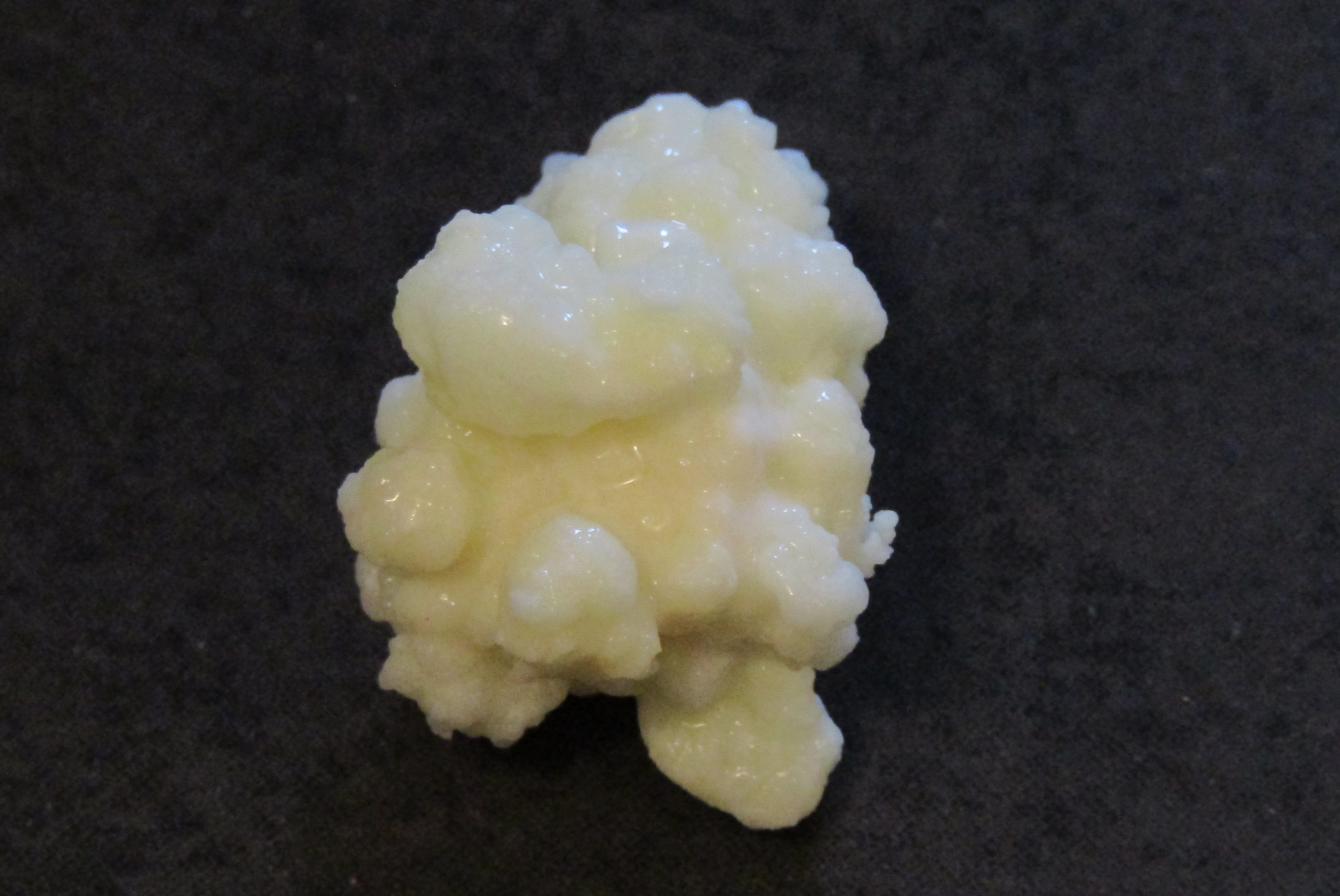
A close up view of a kefir grain on a dark background

Once your kefir grains have rehydrated and you have make a few batches of kefir they may start to get bigger and you start to wonder what are they made of.

Kefir grans are made of polysaccharides, proteins and lipids inhabited by various bacterial and yeast species in a symbiotic relationship providing a wide variety of vitamins and minerals.  Most of the polysaccharide is produced by L. kefiranofaciens which thickens over time to form the grains.
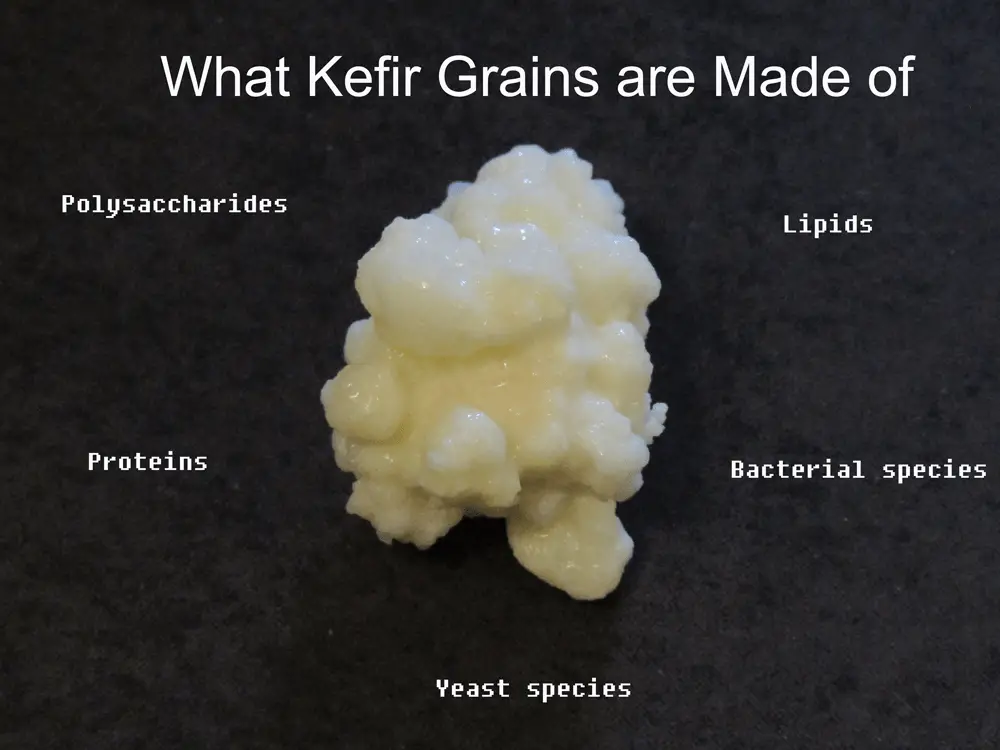
Kefir grains are a complicated collection of ingredients which are affected by its heritage, current environment and food source.  They are continually changing as their environment changes.

For a deeper understanding of the process of making kefir read this great book (affiliate link) on yogurt and kefir. It is full of recipes, techniques and other useful information (at least I found it so).

The chemical components of milk kefir grains

There are five chemical components of kefir grains which have been discovered. 

Polysaccharides

This is the slimy coating found on kefir grains when they are strained from freshly made kefir.  The slimy coating is made up of long strings of saccharides which cannot be broken down by the resident microbial cultures.  The polysaccharide which makes up most of the grain is made by L. kefiranofaciens and Lc. Plantarum as well as other species which have a lesser impact. 

Lactic acid bacteria and yeasts cannot break down long chain sugars (saccharide) which are present in the milk.  Instead some of these sugars are used to form a biofilm which is the slimy coating surrounding your kefir grains (link to slimy).  This biofilm protects the culture from pathogenic invasion.

Proteins

The proteins in the grains have two sources:

Proteins in the milk

Not all of the protein in the milk are usable by the microbial species in the culture and as a result some will get included in your grains as the biofilm thickens. 

Proteins from expired cells

When you feed your kefir grains daily they will have access to fresh food and quickly begin to consume it.  This causes the yeast and bacteria to multiply quickly but once most of the available food has been consumed some of the microbes die off and get included in the kefir grain.

Lipids

The lipids found in kefir grains are a collection of chemicals which include fats, oils and oil soluble vitamins vitamin A and E.  They are included in the grains by getting tangled in the polysaccharide matrix as it thickens. 

These three components form a soft cauliflower shaped mass surrounded by a thin layer of biofilm.  The highest concentration of bacteria and yeast is found in and around the kefir grains.

Water Based Vitamins

As well as providing fat soluble vitamins kefir also contains some water soluble vitamins which are either made available to you when you consume your kefir or make it through respiration. 

These vitamins include:

  • Thiamine – B1
  • Riboflavin – B2
  • Niacin – B3
  • Pyridoxine – B6
  • Acetic Acid – C

The B vitamins in the list are commonly produced by various yeast species and the acetic acid is produced by the resident acetic acid bacteria which are not present in large numbers but help to reduce the alcohol content in your kefir.

Minerals found in kefir grains

The microbial species in the grains break down some of the components of the milk they are fed and make the minerals which are bound up in the milk more available to you.  These minerals include:

  • Sodium
  • Potassium
  • Calcium
  • Magnesium
  • Phosphate
  • Iron
  • Zinc
  • Selenium
  • Copper
  • Manganese

Microbial components of milk kefir grains

The microbial components of your kefir grains can vary widely with other kefir grains.  The population of the various species found in kefir grains can change over time depending on the environmental conditions, the heritage of the grains and its food source.

Kefir grains are a symbiotic culture which includes lactic acid bacteria, acetic acid bacteria and yeast.  This culture changes as the environment changes around it.  Kefir grains from around the world all have a different microbial population with some commonalities found throughout the world.

The following table is a list of some of the most common species found worldwide.  This does not mean that all kefir grains have all these species in them it is just a list of the most commonly found species in kefir grains from around the world.

Microbial species commonly found kefir grains
Lactobacillus kefiri
Lactobacillus kefiranofaciens spp.
Lactobacillus helveticus,
Lactobacillus casei
Lactobacillus kefiri
Kluyveromyces marxianus
S. cerevisiae
Candida spp.
Cryptococcus spp.
Dekkera anomala
Data compiled from https://www.mdpi.com/2311-5637/3/1/1/pdf

The following table is a list of all the species which have been found in all the kefir grains studies.  Not all kefir grains have anywhere near this many microbial species but all of the following have been part of a set of grains somewhere in the world.

Microbial species which have found kefir grains
Acetobacter acetic
Acetobacter fabarum
Acetobacter lovaniensis
Acetobacter orientalis
Acetobacter rancens
Acetobacter sp.
Acetobacter syzygii
Acinetobacter sp.
Bacillus sp.
Bacillus subtilis
Bifidobacterium bifidum
Bifidobacterium sp.
Brettanomyces sp.
Candida inconspicua
Candida krusei
Candida lambica
Candida maris
Candida sp.
Cryptococcus sp.
Dekkera anomala
Dysgonomonas sp.
Enterococcus durans
Enterococcus faecalis
Enterococcus sp.
Escherichia coli
Gluconobacter frateurii
Gluconobacter japonicus
Halococcus sp.
Kazachastania khefir
Kazachstania aerobia
Kazachstania exigua
Kazachstania unispora
Kluyveromyces lactis
Kluyveromyces marxianus
Kluyveromyces marxianus var. lactis
Lachancea meyersii
Lactobacillaceae
Lactobacillus acidophilus
Lactobacillus amylovorus
Lactobacillus brevis
Lactobacillus buchneri
Lactobacillus casei
Lactobacillus casei ssp. pseudoplantarum
Lactobacillus crispatus
Lactobacillus delbrueckii ssp. bulgaricus
Lactobacillus helveticus
Lactobacillus kefir
Lactobacillus kefiranofaciens
Lactobacillus kefiranofaciens ssp. kefiranofaciens
Lactobacillus kefiranofaciens ssp. kefirgranum
Lactobacillus kefiri
Lactobacillus lactis
Lactobacillus lactis ssp. lactis
Lactobacillus parabuchneri
Lactobacillus paracasei
Lactobacillus parakefir
Lactobacillus parakefiri
Lactobacillus plantarum
Lactobacillus satsumensis
Lactobacillus sp.
Lactobacillus uvarum
Lactococcus cremoris
Lactococcus lactis
Lactococcus lactis ssp. cremoris
Lactococcus lactis ssp. lactis
Lactococcus lactis ssp. lactis biovar diacetylactis
Lactococcus sp.
Leuconostoc lactis
Leuconostoc mesenteroides
Leuconostoc paramesenteroides
Leuconostoc pseudomesenteroides
Leuconostoc sp.
Naumovozyma sp.
Pelomonas sp.
Pichia guilliermondii
Pichia kudriavzevii
Pseudomonas sp.
Saccharomyces cerevisiae.
Saccharomyces sp.
Saccharomyces turicensis
Saccharomyces unisporus
Saccharomycodes sp.
Shewanella sp.
Streptococcaceae
Streptococcus durans
Streptococcus sp
Streptococcus thermophilus
Weissella sp.
Zygosaccharomyces sp.
Table adapted from data found at https://www.cogentoa.com/article/10.1080/23311932.2016.1272152

Kefir grains like many cultures are a product of their environment.  Just like sourdough starter it takes on the species of bacteria and yeast which help it to maintain an equilibrium in its current environment.  As kefir grains are passed around they pickup different microbes which can be added to the culture if they are beneficial to the community. 

How kefir grains grow

Once you start making kefir with kefir grains you may find your grains taking up more and more of the fermenting jar.  This is due to the natural tendency for your grains to grow.

The growth is dependent on feeding the bacterial species which produce the major component of the grains which is the biofilm which surrounds the grains.  In kefir grains the biofilm is made by the lactic acid bacteria with the help of some acetic acid bacteria.  If your kefir grains become overly slimy and you want to know what you can do about it read “Why are my kefir grains slimy?“.

To help your grains grow you need to provide a stable environment which encourages the growth of these microorganisms.  This can be done by doing three things:

Feeding the grains regularly

Like every other living thing the species in your grains need adequate food to grow.  Feeding your grains regularly will help to provide enough food for the culture to increase in population.  As the population increases additional biofilm will be produced and more cell bodies, living and dead, will become entangled in it causing it to thicken.

Provide a steady temperature between 18-25˚C

A steady temperature is important for maximum grain growth as it helps the lactic acid bacteria to grow efficiently.  Since these are the bacteria in your grains which are most responsible for grain growth providing the best environment for them will speed growth.

Maintain a low ratio of grains to milk

When you maintain a low grains to milk ratio like 1:10 the grains will have lots of food and room to grow.  The cultures in the grains may have a symbiotic relationship but it is still competitive for food and nutrients.  Providing your grains with enough food for growth will encourage the grains to grow.
Can water kefir be made with milk kefir grains?


Now that you have started making milk kefir you probably heard about water kefir and wondered if you can make water kefir from milk kefir grains. 

Milk kefir grains are home to 30-60 microbial species which consume sugar in milk producing milk kefir.  These same cultures can consume the sugar in sweetened water to make a water kefir like drink which can be flavored and second fermented into a soda. 

Milk kefir grains and water kefir grains are both a product of yeast and lactic acid bacterial fermentation which consume simple sugar and produce alcohol, lactic acid and CO2.  It is this action which makes it possible to ferment sweetened water with milk kefir grains.

Milk kefir grains will ferment sweetened water based solutions

You can use milk kefir grains to make a water kefir like drink.  It will not taste the same as water kefir which is made with water kefir grains but it will be a tangy effervescent drink.  You can also make it into a soda just like you would make water kefir soda. 

The difference in flavor is caused by the difference between the two sets of microbial species.  Each yeast and bacterial species produce different enzymes and esters which give the kefir a different flavor. 

Of the 60 microbial species found in milk kefir only one, Saccharomyces cerevisiae, has been found in water kefir grains.  Water kefir grains have far fewer microbial species then milk kefir grains but they do have a unique set of species which are common with all water kefir grains.

Saccharomyces cerevisiae is the most common yeast found in alcoholic fermentations and is responsible for most high alcohol fermentations.  All the other species are different and as a result produce different flavors.

How to make “water kefir” with milk kefir grains

The process is simple with only a few steps added to the instructions for making milk kefir

  1. Rinse the kefir grains with filtered water
  2. Mix sugar and water together in a ratio of 1:10 until the sugar is dissolved
  3. Add the grains to the sweetened water and cover with a breathable covering
  4. Ferment for 48-72 hours
  5. Begin tasting the kefir after 48 hours.  When it is to your liking filter the grains out
  6. Use the grains to ferment a batch of milk between water kefir batches

Rinsing the grains will remove some of the milk kefir which covers the milk kefir grains.  Do not wash the grains as this will remove most of the yeast cultures which are found in highest concentrations on the outside of the grains.

The amount of sugar ultimately determines how sour the water kefir will get.  High concentrations of sugar will feed the yeast cultures which produce alcohol.  This will feed the acetic acid bacteria making the kefir taste sour.  Sugar is also used by the lactic acid bacteria to produce lactic acid which further sours the drink. 

If you are making a soda it is better to sweeten it in the second fermentation rather than adding extra sugar at the beginning.

Once you have strained out the grains you can make soda by adding a sweetened flavoring to the water and bottling it in bottles designed for pressure.  Wait a few days before trying the soda and once it is carbonated enough refrigerate it.

Converting milk kefir grains to ferment sweetened water permanently

If you want to continue making “water kefir” with your milk kefir grains you can try to acclimatize a set of milk kefir grains for sweetened water.  Because the population of the cultures in the milk kefir grains varies greatly depending on the source, location and heritage of the grains this may or may not work.

The process requires increasing the population of the refined sugar loving cultures and allowing the cultures which cannot digest this type of sugar found in the sweet water to die off.  Do this by reputedly using one set of milk kefir grains to ferment some sweetened water.  Instead of filtering off all the finished kefir leave half of it behind and ferment using the same amount of sugar added. 

After a few rounds start reducing the amount of the kefir left in the grains until you are filtering all kefir out from the grains.  If at any time the sweetened water does not sour or it begins to smell bad through it out and start again.

If you find you like making and drinking water kefir get yourself a set of water kefir grains rather than using milk kefir grains.  They are not expensive and readily available.  Making it with real water kefir grains will be easier, taste better and your water kefir grains will actually grow.

Milk kefir grains will not convert to water kefir grains

This is like placing a gerbil in a rabbit cage, feeding it rabbit food and hoping it will change into a rabbit!  It will not happen.  The same is true with kefir grains.  Water kefir grains are made up of different materials then milk kefir grains, one will not become the other.

Milk kefir grains are composed of a heteropolysaccharide called kefiran produced by Lactobacillus kefiranofaciens.  Water kefir grains are composed of a homopolysaccharide called dextran, produced by L. hilgardii (Reference).

Since water kefir grains and milk kefir grains do not have the necessary bacterium to produce the correct polysaccharide for the other it is not possible that one will become the other.  Additionally Lactobacillus needs the protein and fat found in the milk to produce its polysaccharide so when placed in a sweetened water solution the grains will not grow.

Other drinks you can make with milk kefir grains

Milk kefir grains are very versatile.  They will ferment a number of different liquids to make non-dairy kefir between milk kefir batches.  Here are a few suggestions.

Coconut kefir

Coconut milk is high in sugar, protein and fat which makes it ideal for making kefir with milk kefir grains.  The grains are happy to convert the simple sugar in the milk into lactic acid and alcohol.  It thickens a little as the proteins form soft curds and whey collects on the bottom of the jar.

Again it is not wise to continue using the same grains for making coconut kefir.  Instead alternate the grains with regular milk and coconut milk.

Almond milk kefir

Almonds are packed with protein and oil but lack easily fermentable sugars for the cultures to eat.  Once it has been made into almond milk it loses some of the protein but keeps most of the fat.

When making kefir from almond milk add a little sugar of some type to feed the yeast and lactic acid bacteria in the grains.  This will help them to acidify the milk kefir giving it a pleasant sour flavor. 

If you are using store bought almond milk make sure there are no preservatives listed on the container as the preservatives will inhibit the growth of the cultures in the grains. 

Sunflower seed kefir

To make sunflower seed kefir soak 1 cup sunflower seeds in filtered water for 12-24 hour.  Then blend them with 4 cups of water in a high powered blender.  Add a ¼ cup of some type of easily fermented sugar as sunflower seeds are low in easily fermentable sugars.

Add your kefir grains as usual and ferment for 24 hours or until it has soured.  You can use the kefir in smoothies, on cereal or just drink it.

Rice milk kefir

Rice milk kefir can be made from store bought rice milk so long as it does not have preservatives in it.  Simply add the grains and some form of fermentable sugar to feed the cultures in the grains. 

To make your own rice milk for kefir do not use white rice as it is low in protein.  Instead use brown or red rice.  Soak it for 12-24 hours and blend in a high powered blender.  Add some fermentable sugar to the milk and ferment with your grains.

It will produce a light kefir which can be used as you would any other milk kefir.

Can Vinegar be Easily Made from Mead at Home?


When starting a new vinegar project it is always fun to try something new but when you make something like vinegar (which can take months) it is nice to know you will end up with something you like.

Mead is made from honey and water which is fermented with yeast to produce an alcoholic drink.  The alcohol in the Mead can be used by acetic acid bacteria (AAB) to produce acetic acid. Mead with an alcohol percentage between 6-12% enables AAB to reduce the pH below 4.0 to be considered vinegar.

This process is easy to accomplish when you understand how acetic acid bacteria grow.

Converting Mead to vinegar

Converting Mead to vinegar is simple to do as long as you understand a few basics about it.  It starts with acetic acid bacteria which is a group of bacterial species that consume alcohol and oxygen to produce acetic acid.  This group of bacteria which include Acetobacter, Gluconacetobacter, Gluconobacter and Komagataeibacter are found in almost every environment in the world. 

It is through this group of bacteria that vinegar is made but to be considered vinegar it must have a pH below 4.0.  The pH is important as it prevents pathogenic bacteria from growing in the vinegar.  To ensure the AAB have enough alcohol to make vinegar the Mead needs to have a starting alcoholic content of at least 6% and lower than 12%. 

 If you’re Mead falls within this range all that is required is to expose your Mead to oxygen causing AAB to grow and produce acetic acid.  You can do this by pouring the Mead into a wide mouthed container and securing a porous cover over the top to allow oxygen exchange. 

Depending on the age of the Mead, its alcohol content, which AAB are present in the Mead as well as in the air the Mead will turn into vinegar in six weeks to two months.

Making Mead Vinegar Gotchas

The Mead’s Age

The age of the Mead is a consideration because honey is made up of a variety of sugars including glucose, fructose and sucrose.  The yeast species which are used to produce alcohol find it easier to use glucose and consume it fast.  Once the main fermentation is complete there could be high amounts of fructose and sucrose in the Mead. 

In commercial Mead once the main fermentation is complete and the flavor profile the brewery wants has been achieved the fermentation is stopped. This leaves some sugar in the Mead.  Alternatively if you are using homemade Mead which is less than six months old there may be enough sugar left in the Mead to be a concern.

Once the Mead is exposed to the air yeast cells will enter the Mead along with the AAB which will restart the fermentation process.  This affects the alcohol content in the vinegar and when the vinegar is safe to bottle. 

If you bottle the Mead vinegar too soon pressure can build up in the sealed bottles and cause them to burst which can be dangerous and messy.  Be sure your Mead vinegar has completed fermenting before your bottle it.

Mead’s alcohol content is too low

With an alcohol content below 6% the AAB may not have enough food to properly acidify the Mead to make vinegar.  Vinegar with a pH above 4.0 is considered unsafe for consumption by the WHO and should not be used.  It can harbor pathogenic species such as molds.  Molds produce toxins which make the vinegar taste off. 

With a high alcohol content the AAB will have plenty of energy to multiply and grow quickly acidifying the Mead making it uninhabitable for mold and other pathogenic species.

Mead’s alcohol content is too high

AAB have a tolerance to alcohol below 15%.  Anything above that and there growth will be inhibited or stopped.  This will slow the vinegar making process to a standstill and will not take off until some of the alcohol as evaporated.  To prevent this dilute the Mead until it has an alcohol content below 12%. 

Fermenting temperature is too low or too high

AAB grow the best when the temperature is in the range of 18-30˚C.  Some species have been found which can survive in hotter temperatures up to 35˚C but they are few and may not make the best tasting vinegar.

Temperatures below 18 ˚C will not kill the bacteria but they will not grow very fast.  This can slow the acidification down enough to leave the vinegar susceptible to mold growth and spoilage.

The sweet spot is 25˚C where most species of AAB can grow efficiently acidifying the Mead quickly and producing good tasting Mead vinegar.

Can honey be used rather than Mead?

Honey can be used rather than Mead but the vinegar will have a different flavor then when it is made from Mead.  This is because the yeast species which are used to make Mead consist mostly of brewer’s yeast which has a high tolerance to alcohol.  Other yeast species die out once the alcohol level rises above 4% or so.

When making honey vinegar the alcohol and the acetic acid is made symoltainiously.  This keeps the alcohol level down throughout the process allowing a wider variety of yeast species to grow and produce interesting flavors not found in Mead vinegar.

Honey Vinegar making process

To make vinegar from honey the process is simple:

  1. Fill a wide mouthed container ¾ full with filtered unchlorinated water
  2. Add honey to the filtered water until its specific gravity is above 1.06
  3. Cover the top with a tightly woven cloth to prevent insects from entering
  4. Stir the sweetened honey water twice daily until it starts to bubble
  5. Continue stirring daily until the bubbles subside
  6. Let the mixture ferment until the AAB have acidified the honey water and pH is below 1.0
  7. Begin tasting the vinegar after about six weeks
  8. When it is to your liking begin using it but continue fermenting it as it gets better with age

If you use pasteurized honey the initial yeast fermentation will take longer.  If you are uncomfortable with using wild yeast to produce the alcohol you could add a packet of wine yeast starter but be aware that these yeasts are meant for high alcohol production which limits the flavor profile.

What honey vinegar tastes like

The flavor of honey vinegar is as varied as wine.  It is a result of the type of honey which was used, the yeast species which fermented the sugar in the honey, how long it was fermented, at what temperature and a myriad of other things.

Like all vinegars it has a tangy which will smooth out over time.  It will have notes which come from the type of vinegar such as clover, blackberry and rose.  Depending on what was in bloom when the honey was made.

The acidity level will depend on how much sugar was in the honey water and how long it has been fermented.  Honey is made up of several types of sugar which ferment at different rates.  Some yeasts are better at using glucose, some like fructose and each of these yeast species produce different flavors in the vinegar.

The age of the vinegar affects its flavor differently depending on the stage the vinegar is in.

When the vinegar is young it has sugars still in it making it a sweeter tangy flavor.  Later once a majority of the sugars have been used it becomes harsher sour flavor which mellows over time.  As the vinegar age’s volatile components in the vinegar even out and become less strong. 

The temperature is a big factor as it influences the type of microbial species which grow in the sweet honey water.  Each species produces different enzymes and esters which affect the flavor.  Maintaining an even temperature provides best results allowing the population of yeast and AAB to stabilize providing a specific flavor profile.  Vinegar with too many flavors produces a vinegar with too much going on.

Does Homemade Vinegar Contain Alcohol? How To Reduce It


When you first start making vinegar and find out that vinegar is basically spoiled wine or some other alcoholic beverage this question comes to mind.

Vinegar is produced when acetic acid bacteria (AAB) in a liquid have access to oxygen and alcohol.  AAB uses the alcohol as a food source, producing acetic acid but cannot convert all the alcohol into acetic acid. Once the fermentation is complete only trace amounts (0.5-2%) are left.

There are many things which affect the amount of alcohol which is present in your homemade vinegar and with proper care you can produce a tangy flavorful vinegar with a low alcohol content.

Homemade vinegar alcohol level

Homemade vinegar will have some residual alcohol in it no matter what you do.  Vinegar is made by the process of fermenting sugar into alcohol and then the alcohol into acetic acid.  Until all the sugar in the liquid has been consumed the yeast will continue making alcohol.

Although this process slows down considerably as the sugar content in the vinegar falls it is never quite finished.  This provides alcohol for the AAB which continues to acidify the vinegar. 

At the beginning of this process the alcohol level may start out high or climb as it ferments depending on the method you are using to make your vinegar.  In time the easily available sugar will be consumed and the AAB will have converted some of the alcohol into acidic acid causing the alcohol level to fall. 

5 ways to reduce the amount of alcohol in homemade vinegar

When making vinegar you have various methods which have an effect on the final alcohol level in the finished vinegar.  Depending on your situation you can use any or all of these methods to ensure a low alcohol content in your finished vinegar.

Reduce the alcohol content by giving it extra oxygen

It takes oxygen for the AAB to convert the alcohol into acetic acid.  Two things need to happen before the alcohol can be consumed.

  • The population of AAB needs to be high enough
  • The oxygen needs to get into the liquid

These two go hand in hand.  The more oxygen the more AAB, which requires more oxygen.  When making homemade vinegar this is usually accomplished by leaving your vinegar mixture open to the air.  This allows oxygen to reach the surface of the vinegar which the AAB then use. 

To increase the efficiency of the AAB choose wide mouthed fermenting vessels with a low ratio of surface area to volume.  Alternatively you could aerate the vinegar by mixing it, transferring it between containers or using more specialized techniques.

Ferment at the optimum temperature for acetic acid bacterial growth

AAB optimum temperature for growth is 25˚C whereas the yeasts are most active at 30˚C.  Fermenting at the lower temperature allows the AAB to grow the most efficiently keeping the alcohol content low throughout the process.

If you are concerned about alcohol levels ferment your vinegar in a warm location but not above 30˚C.  This helps the AAB to efficiently convert the alcohol in the vinegar into acetic acid as the yeast produces it. 

Give the acetic acid time to metabolize the alcohol

Fermentation is a biologic process and although there are ways to speed it up there are limits.  As the sugar content in the vinegar drops the rate it is metabolized by the yeast slows but it does not stop.  This means that as long as there are fermentable sugars in the liquid there will be trace amounts of alcohol.

As the rate of alcohol production decreases the AAB have less energy to grow and their population decreases slowing the rate they can consume the alcohol.  This is why vinegar always has trace amounts of alcohol.

Start with a lower alcohol level

AAB cannot grow in alcoholic solutions with a percentage of 15% or higher so if your starting liquid has a high alcohol content the AAB will have a hard time acidifying it.  Dilute the starting liquid until it has a lower alcohol percentage by adding water, juice or evaporating off some of the alcohol. 

One of the most popular methods of making homemade vinegar is to ferment the liquid symoltainiously as the AAB consumes the alcohol.  This method keeps the alcohol level low throughout the process and allows a variety of yeast species to grow. 

Not only does this provide you with vinegar which has a low alcohol level as all times in the process but it also adds unique flavors to the vinegar as the yeast produces a wider variety of esters and enzymes.  As the level of alcohol remains steady for longer the AAB population has a chance to stabilize and diversify.  This improves the metabolization of the alcohol.

Provide adequate minerals for the AAB

All living things need minerals to grow.  Providing enough calcium and other nutrients will improve the growth of both the yeast and AAB. 

When making homemade vinegar from whole fruit or fruit juice there usually enough minerals for adequate growth of the yeast and AAB but when making vinegar from mainly sugar solutions the cultures have a hard time growing efficiently.  This will leave more alcohol in the vinegar for longer. 

If you are making vinegar using mainly refined white sugar mixed with a little fruit solids of juice you can speed the process and lower the alcohol content by adding a packet of yeast nutrient.  This will ensure there will be enough minerals and other trace vitamins needed by both the yeast and AAB.

Even distilled vinegar still has trace amounts of alcohol

Even distilled vinegar has alcohol in it.  This means that the distilled white vinegar in the cupboard has trace amounts in it.

When vinegar is distilled the evaporation point of the alcohol and acetic acid is lower than that of the water in the liquid.  This process will remove both the alcohol and acetic acid from the water in the solution but cannot separate the two. 

This means that if you want to lower the amount of alcohol in a finished vinegar you can increase the temperature to encourage the evaporation of the alcohol but remember that you are also losing some of the acetic acid along with the alcohol.

Conditions which increase the alcohol content of homemade vinegar

Homemade vinegar should have an alcohol content of 0.5-2% which is very low and will not cause any adverse effects on anyone using it but there are ways which the alcohol level can increase past this level.

The most often way this happens is when the vinegar has been sealed before the yeast has completed its active fermentation.  The yeast in the vinegar will always be present and if there is any available sugar it will use it for energy and produce alcohol.

Check the specific gravity of the vinegar before bottling it

If the specific gravity is still high then there are still sugars dissolved in the vinegar.  If you bottle it when the specific gravity is high the main fermentation is not complete. This has the effect of eliminating oxygen from the AAB and preventing its growth and as a result the AAB population declines and does not consume the alcohol the yeasts are producing.  The end effect is an increase on alcohol content.

Maintain an even temperature at or below 25˚C.

Keeping your vinegar in a hot location will also slow the growth of AAB but encourage the growth of yeast.  Again producing an imbalance in yeast to AAB with the result of an increase in alcohol content.  To ensure proper AAB growth keep your ferment below 30˚C.

Three Reasons Why Your Water Kefir is Not Carbonating


When first starting out making water kefir you may find that your water kefir has become flat even after your grains are fully activated.  The cause is usually one of three things; ambient temperature, sugar ratio or fermentation time.

Water kefir grains harbor lactic acid bacteria and yeast which consume sugar to produce CO2.  These cultures need adequate heat, sugar and time to produce enough CO2 for carbonation.  Fermenting with active an culture at 25˚C with a sugar ratio of 1:20 for 24-48 hours will result in carbonation.

There are two types of microorganisms in water kefir which produce CO2 lactic acid bacteria and yeasts.  It is through the action of these organisms that your water kefir becomes carbonated.  If the second fermentation process is not producing enough carbonation it is usually one of three things:

The Ambient temperature is too low for efficient growth

After the first fermentation of the sweet water solution and the water kefir grains have been filtered out what remains is a slightly sour effervescent liquid which has live yeast and lactic acid cultures in it.  kefir grains will provide several species of both the yeast and lactic acid bacteria making the water kefir a great probiotic drink.

These various species have different optimum temperatures which they grow at so the temperature for optimum CO2 production will vary depending on the makeup of the culture. 

Most yeast cultures like temperatures between 20-35˚C. but can remain active at 39˚C.  Lactic acid bacteria perform best between 18-30˚C.  This gives you a range of anywhere between 20-30˚C for adequate microbial action. 

If your house temperature is on the cool side or if it cycles warm and cold depending on the time of day then this can affect the growth of the cultures.  water kefir likes a steady temperature for best results so if this is the case then find a location which you can keep at a constant temperature between 20-30˚C.

The sugar content of your water kefir is too low

The cultures in the water kefir need energy to grow which it gets from the added sugar which you feed it when you bottle it.  This sugar can come in a variety of sources like fruit juice, cane sugar, brown sugar or any other sweet additive you want. 

Without enough food the cultures cannot grow and they will not produce enough CO2 to carbonate the water kefir.  Flavorings like fruit juice have adequate sugar in them if the ratio is about 1:10 juice to water kefir but if you are flavoring with herbs and/or spices then you need to add some sugar as well with ginger being the exception.  Ginger does need some additional sweetener but be careful as ginger produces volumes amounts to carbonation on its own.

The second fermentation time is too short

Depending on how active your water kefir culture is will influence how long you will need to leave your bottled water kefir to carbonate. 

The activity level of the cultures in the original ferment can be evaluated by its sweetness after 24-48 hours.  If it is sweet with very little tartness or effervescence then the culture is not very active and will need more time to carbonate once bottled.

To adequately carbonate your water kefir you have two options:

  • Leave the water kefir another 24 hours to allow the population of yeast cells and bacteria to increase
  • Leave the bottled kefir another 24 hours to allow the culture to produce more CO2

Each of these actions will give the cultures a chance to multiply and produce more CO2.

How to make your water kefir fizzier

If you are providing the right amount of sugar, time and temperature but still your water kefir does not carbonate enough for you then there are other things you should be aware of.

The health of the water kefir grains

Water kefir grains are made up of polysaccharides which harbor the live cultures which ferment the sweet water and make kefir.  If they are not healthy and robust they will have a hard time multiplying in fresh sweet liquid.  This makes for a sluggish ferment which will not completely use the available sugar in the liquid.

This could happen for a number of reasons

  • The cultures do not have enough nutrients to grow

Just like other living things the cultures in your kefir grains need more than just sugar to live.  They also need vitamins and minerals.  If your grains are sluggish during the first ferment but still produce enough carbonation in the second ferment given extra time then this could be your problem.

Usually the second ferment is flavored with added organic materials such as fruit juice or herbs and spices.  These added materials provide the additional nutrients which the culture needs to grow efficiently.  This leads to adequate carbonation in a longer period of time.

To adjust this try adding minerals to your first ferment by using unrefined sugars like raw sugar, brown sugar or other plant based sweeteners like coconut, palm or beet.  Another option is to add yeast nutrient to the water which is used for winemaking. 

  • The ratio of grains to liquid is not correct

The cultures can only grow so fast so if you are using too few grains to make the amount of kefir you want you will get a sluggish second ferment.

Try lowering your ratio until your grains have grown enough to properly culture your target volume.

  • It is stored in direct sunlight

Sunlight can inhibit the growth of some of the yeast and bacteria species in your water kefir.  Placing it in a warm location out of direct sunlight will help the culture to grow at optimal rates.  Find a warm cupboard somewhere like on top of the fridge or some other heat source.

  • Added sweetener is high in complex sugars

Although complex sugars can be sweet to us it doesn’t mean that it is sweet to your grains.  Complex sugars which have long chain polysaccharides in them are difficult for the yeast and lactic acid bacteria to break down. 

Ensure the sweetener you are using has enough simple sugars available to the CO2 producing species in the water kefir.  Sweeteners like artificial sweeteners, stevia or yacon syrup cannot be used by the water kefir culture for growth and therefor will not produce any CO2 for carbonation.  If you want to use these types of sugars they will provide sweetness so if you want sweet kefir soda then use them but be sure to provide some form of simple sugar for the culture to consume.

If my kefir soda isn’t fizzy are my grains dead?

First the grains themselves are not alive.  It is the various species of bacteria and yeast which inhabit the grains which are alive.  That means that for the grains to be dead all the strains in the grain have died.  This is not likely. 

Yeast and bacterial cultures are very hardy, they have various methods of protecting themselves from slowing their metabolisms down to growing spores for later so it is very hard to kill your grains.  It is more likely that one of the above conditions is limiting their growth so try changing some of these things and reduce the amount of water kefir you are making until the first fermentation produces slightly tangy good tasting water kefir.

How to tell the carbonation level of your kefir soda

If you are using swing top jars to bottle your water kefir it will be difficult to determine when it is ready.  You could open one bottle after 24 hours to determine how much pressure it in it but this will release some CO2 making it less carbonated. 

Another option is to use one plastic soda bottle with soft sides.  Then you can squeeze to bottle to determine its carbonation level without opening it. This is a great method for when you are first starting to second ferment your water kefir as it will help you determine timing for ideal carbonation.

Does Homemade Vinegar Need Refrigeration?


When you start making your own vinegars there is always the worry that leaving them out at room temperature can cause them to go off and somehow poison you and your family. 

Spoilage bacteria growth is inhibited in acidic solutions so homemade vinegar with a pH below 4 is considered safe and doesn’t need refrigeration but acetic acid bacteria continues to acidify vinegar at temperatures above 16 ˚C.  To maintain a specific flavor profile refrigeration is recommended.

Whether or not you refrigerate your homemade vinegar depends on your preferences as well as safety concerns. 

Refrigeration helps to maintain a constant flavor profile

Unless you pasteurize your homemade vinegar there are still active acetic acid bacteria and yeast cultures living in it.  These two have a cooperative relationship.  The yeast produce alcohol which the acetic acid bacteria use for food to produce acetic acid.  Most yeast cultures cannot live in a highly alcoholic environment with most of them dying off when the alcohol level rises above 4%.  The action of the acetic acid bacteria keeps the alcohol level low by using it for energy. 

This process will continue as long as there are available sugars in the vinegar which the yeasts can ferment.  As the yeasts consume the sugar the vinegar will get less sweet and more acidic.  This changes the flavor of your vinegar.  Refrigeration slows the action of the yeast and the acetic acid bacteria which helps to maintain a steady flavor profile.

If you pasteurize your homemade vinegar it will remain stable as long as it is sealed but the moment it is opened airborne yeast and acetic acid bacteria will have access to it.  The changes will take longer but in time the flavor will change as the new yeast and bacteria start to grow.

To refrigerate your homemade vinegar or not

Homemade vinegar can be made any way you like it sweet, tangy, flavor rich or only slightly flavored.  It is very versatile and can be used for a variety of purposes from dressings to drink mixes. 

When it comes to deciding whether or not you should refrigerate it consider the following things

How sweet you like your vinegar

Vinegar which still has a high sugar content but has a low enough pH to be considered vinegar can change in flavor and acidity quite rapidly in a warm environment. Yeast species are very acid tolerant and will continue to convert the sugar in the vinegar into alcohol providing energy for the acetic acid bacteria. 

Even if the acetic acid bacteria don’t convert any of the alcohol into acetic acid the vinegar will still be less sweet as the yeasts continue to use the available sugars.  To slow this process down you can store the vinegar in the fridge.  This will slow the yeasts down and the flavor will remain relatively the same.  If you want the vinegar less sweet then continue to ferment it until it reaches the desired sweetness.

The vinegar is getting too sour

Vinegar will continue to ferment as long as there is sugar, yeast, oxygen and acetic acid present.  This process reduces the amount of sugar in the vinegar making it less sweet and adds acetic acid which makes it sour.  To stop this process you have a few options.

Pasteurize your vinegar and store it in a sealed container

Pasteurizing kills off all microorganisms in the vinegar essentially halting the fermentation process.  This stops the souring effect of the live acetic acid bacteria.  Pasteurization will change the flavor of the vinegar but once it has cooled the flavor will remain stable as long as the vinegar is kept in a sealed container.

Store your vinegar in air locked containers

Acetic acid bacteria need oxygen to grow.  When the vinegar is sealed in an air tight container the acetic acid bacteria stop producing acetic acid and the vinegar stops getting sour. 

If your vinegar is still high in sugar content use tops which will release air pressure from the container as the yeasts do not need oxygen will produce CO2 gas which will pressurize a sealed container.  This can lead to bursting bottles which can be dangerous.

Refrigerate your vinegar

Refrigeration slows the respiration of the yeasts and acetic acid bacteria.  This slows the souring of the vinegar.  The flavor will stabilize as the microbial action slows down but refrigeration will not stop the fermentation process it will only slow it down so if you leave your vinegar in a fridge for long periods of time you will notice its flavor changing. 

Your vinegar has a harsh flavor

Young vinegar can have very hard flavors which stand out.  This can be good for vinegars like apple cider or cherry where the tangy flavor and recognizable aroma of the fruit is wanted but when you want a mellow flavor then aging your vinegar in cool temperatures is best. 

Aging vinegar is just like aging wine.  It should be done at cool temperatures below 16˚C.  Unless you have a natural wine cellar then this will require a refrigerator.   Some vinegars like Balsamic vinegar is aged in wooden barrels at least 5 years before it is bottled.  This produces a sweet tasting thick vinegar with a complex flavor profile. 

Other vinegars such as rice wine vinegar also can go through a long aging process which refines its flavor and adds additional aromas.

The alcohol content is too high

Making vinegar is a biological two-step process.  The yeasts first need to produce alcohol which is then used by the acetic acid bacteria to produce acetic acid.  This process can be broken down into two physical steps by fermenting the fruit into wine and then leaving the wine open to the air.  Once the acetic acid bacteria in the wine gets access to oxygen it begins to produce acidic acid which lowers the alcohol content and acidifies the wine. 

If you find your vinegar is too high in alcohol then do not refrigerate it.  Leave it out at room temperature until the alcohol level has dropped to your liking.  Taste the vinegar often as it can sour quickly once the yeast runs out of easily fermentable sugar.

Your vinegar is not tangy enough

Although a liquid can be considered vinegar if it has a pH below 4.0 this does not mean that it will be tangy enough for your purposes.  Acids with a pH of 4.0 are very weak acids and when it comes to vinegar it is the acidity which makes it useful.

If youR vinegar is not acidic enough refrigeration will only slow the acidification process down.  To encourage the acidification process you can try keeping it at the acetic acid bacteria’s optimum growth temperature of 20-25˚C., aerating it by stirring it and/or placing it in a larger container with a wider mouth.

The optimum temperature will encourage the acetic acid bacteria to grow and stirring it will provide additional oxygen.  Placing it in a wider mouthed container will expose more surface area to the air providing more access to oxygen.

Why a pH below 4.0 is important and how refrigeration can affect it

When organic material is left alone it is becomes food for a wide range of microorganisms.  These can range from bacteria, yeast and mold.  Left alone they will fight for food and space by excreting chemicals which deter the growth of other microbes.  This produces a balance which leads to the breakdown of the food source completely adding value to the soil.

One of the most prevalent pathogenic bacteria which is found in every environment is Clostridium botulinum.  This is a dangerous bacteria as it produces a toxin which is tasteless.  It has a low pH range of 4.6 which means that a pH 4.0 will prevent the growth of this deadly microbe.

Molds are also basic loving organisms which are responsible for producing toxic substances as well as flavors which are unpleasant.  A low pH helps to slow the growth of these helping to produce good tasting healthy vinegar.  

Refrigerating your vinegar can raise the pH above the recommended value if it is close to the line.  This is because acidity is a measurement of available H+ ions, as the liquid cools these ions become less active causing the pH to rise.