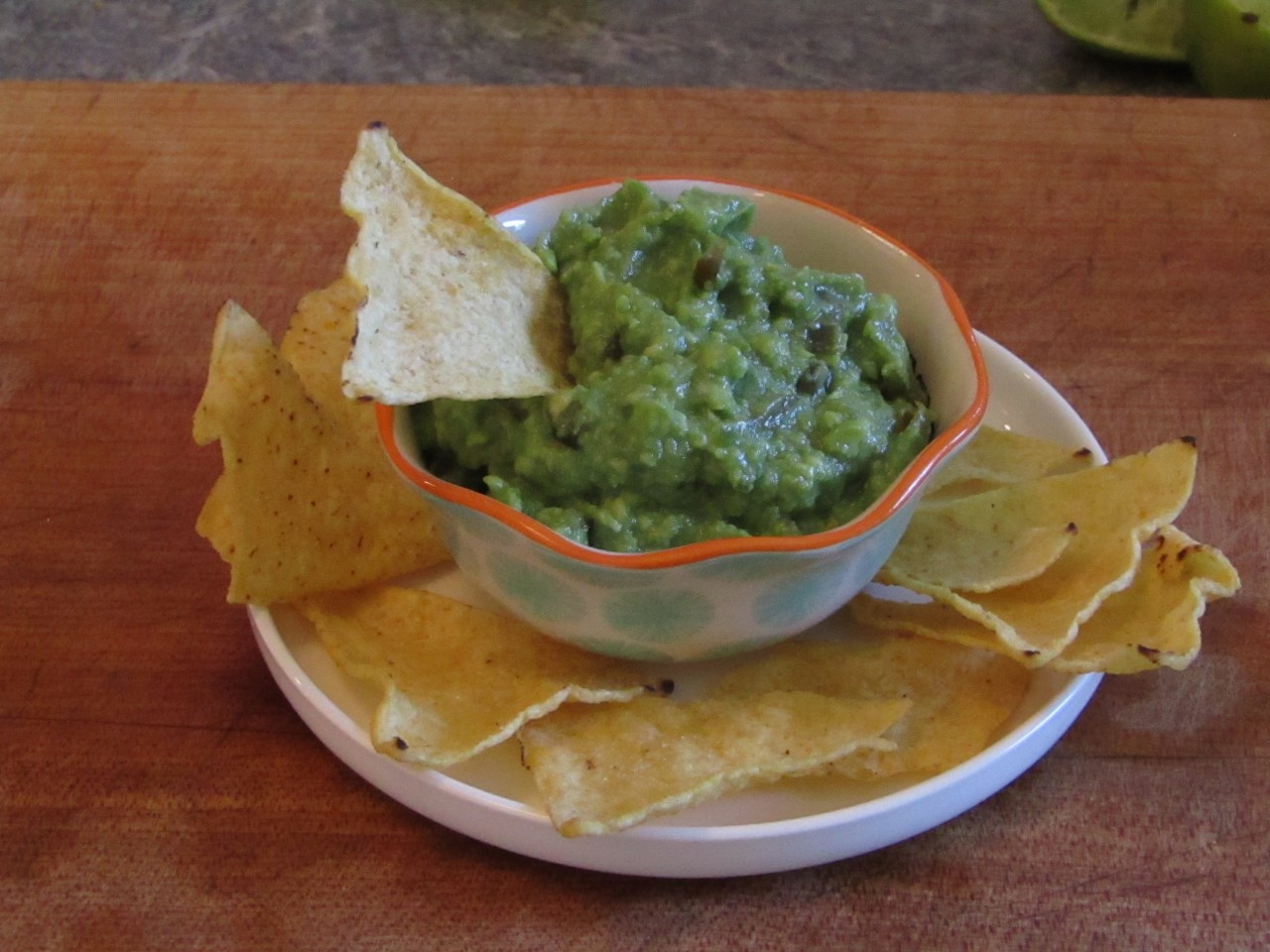
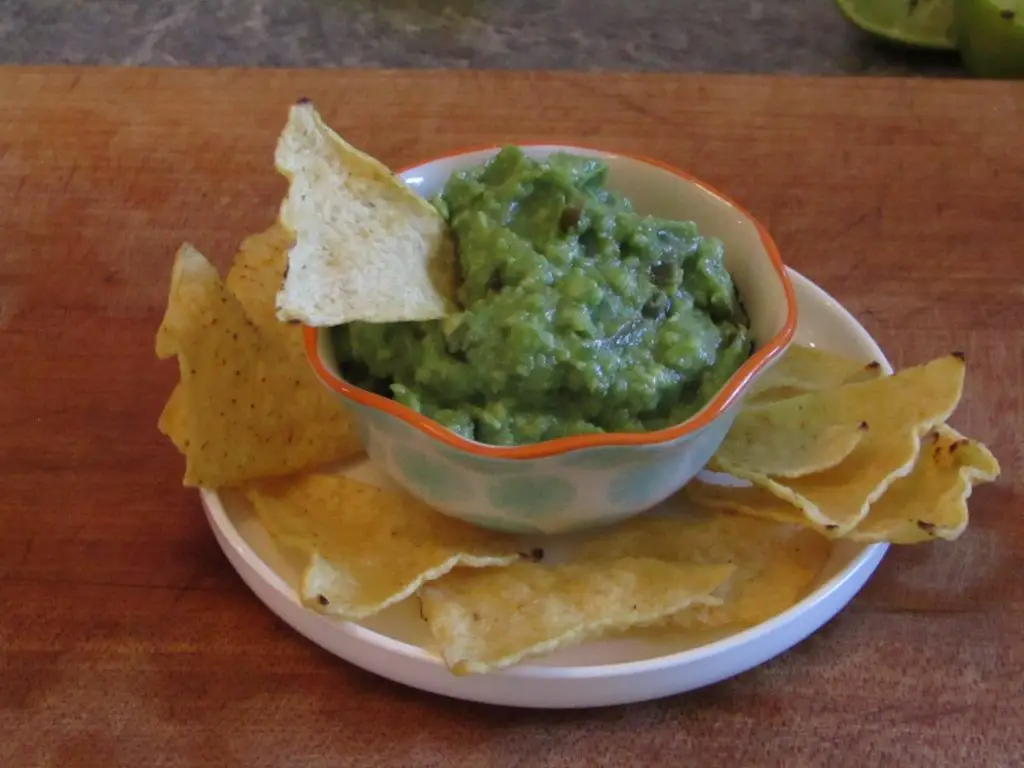
Guacamole is a classic mexican spread which can be used as dip, sandwich spread or added to taco salad. It is often used to help cool the palate when eating spicy Mexican food as the oil in the avocados emulsifies with the capsaicin diluting it in the mouth. This recipe turns that idea upside down. With the addition of fermented hot peppers the guacamole becomes spicy as the capsaicin in the peppers emulsify with the oil in the avocados in the dish.
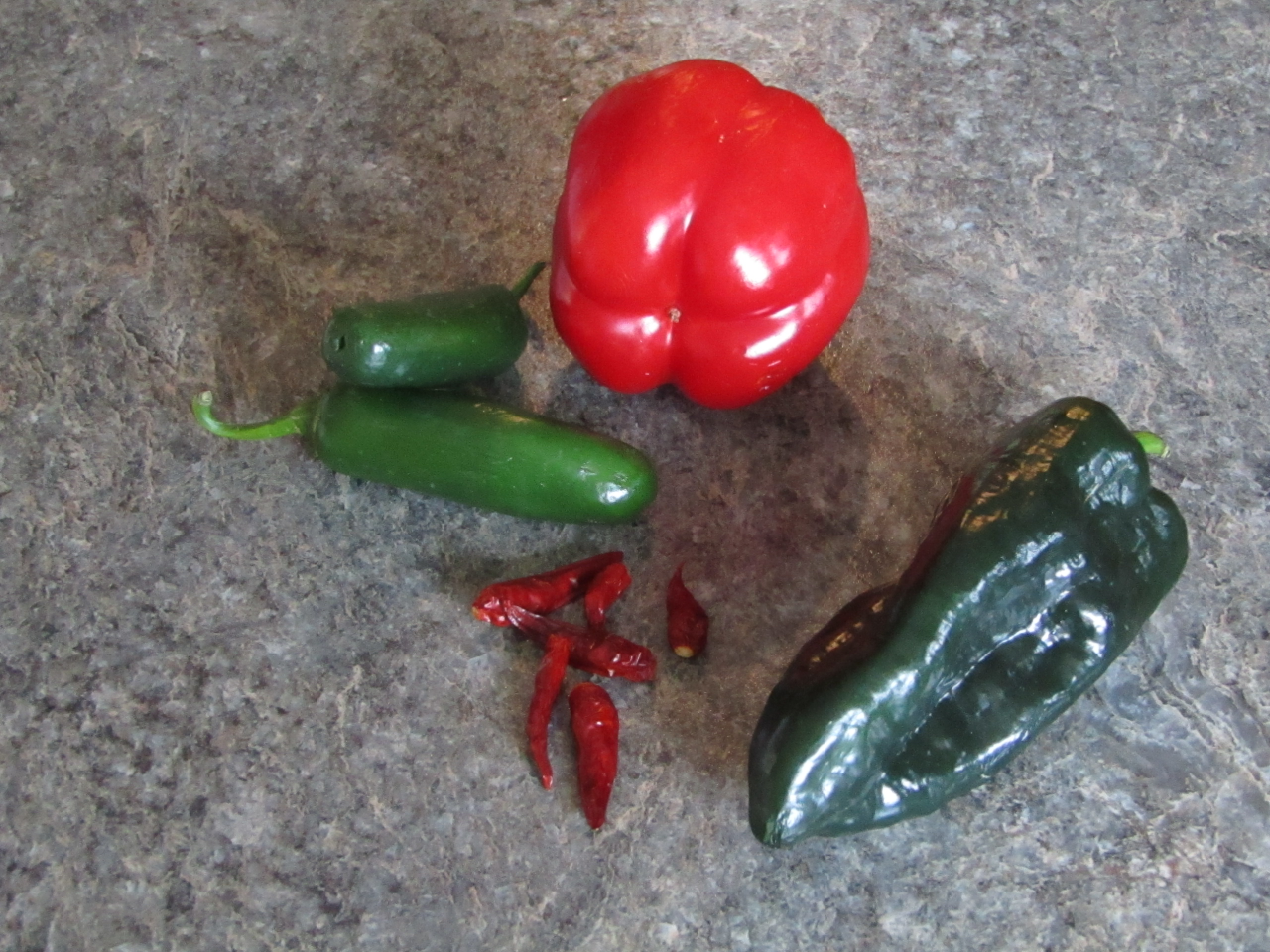
You can determine how hot you want your guacamole by how much and what type of hot peppers you use. Jalapenos are the obvious choice as they have a more Mexican flavor but red peppers, cayenne or habanero peppers can also be used to kick up the heat to another level.
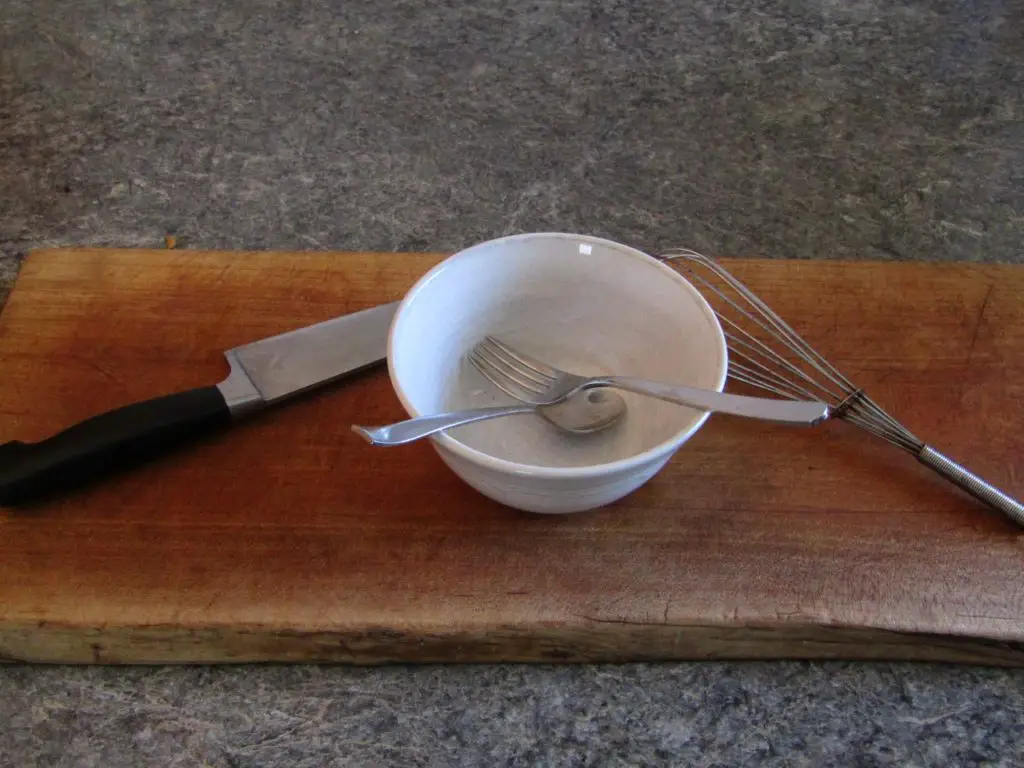
Equipment:
Mixing bowl
Kitchen knife
Table spoon
Fork
Whisk
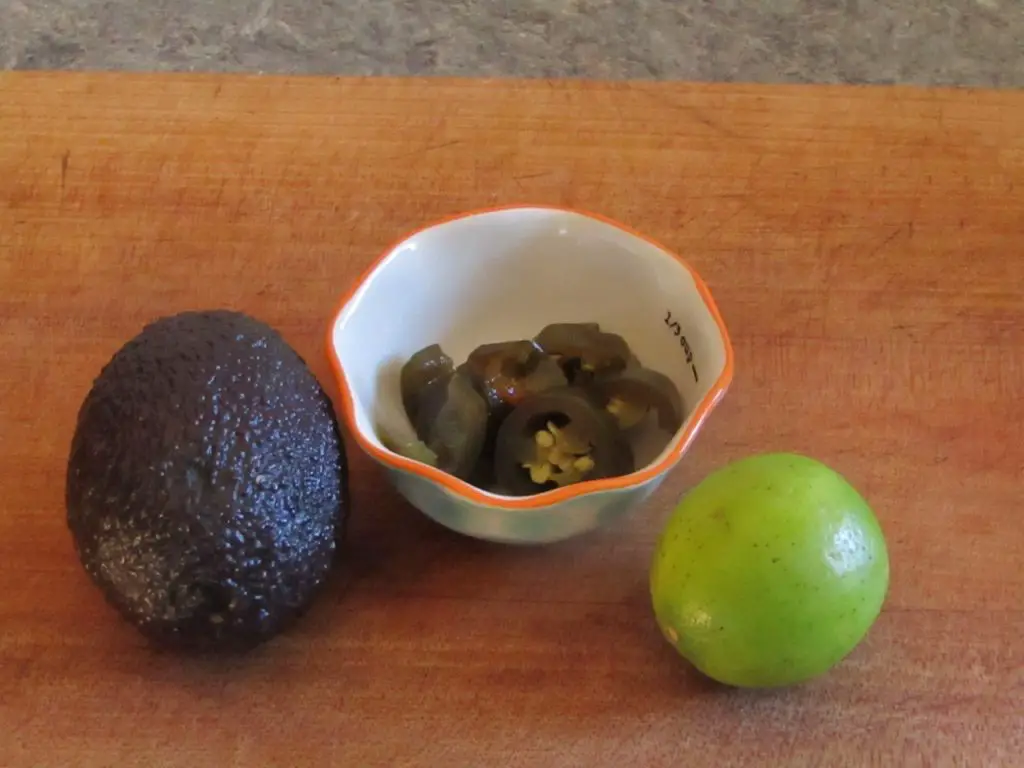
Ingredients:
1 Avocado
1 Lime
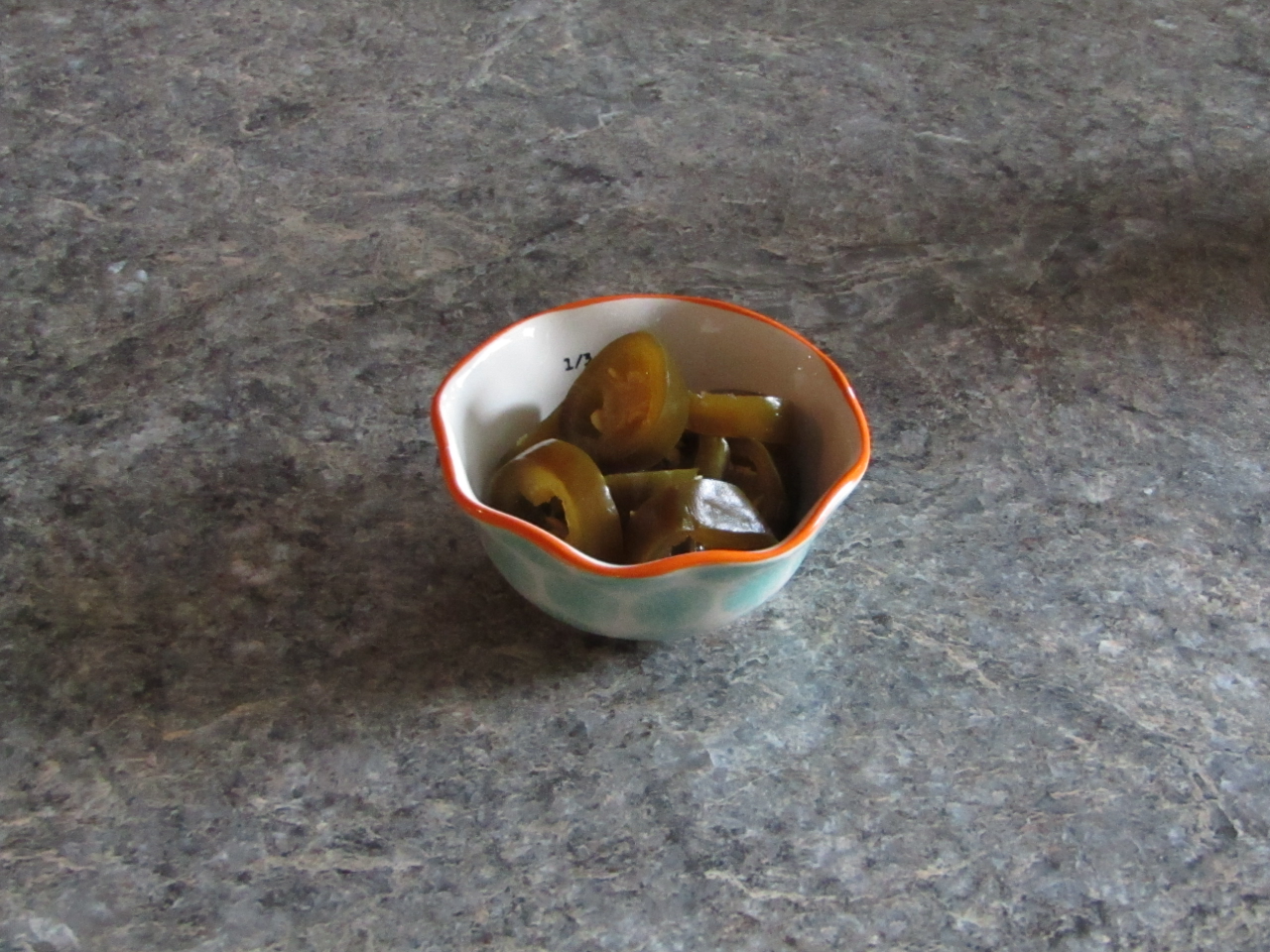
½ cup fermented hot peppers
Instructions:
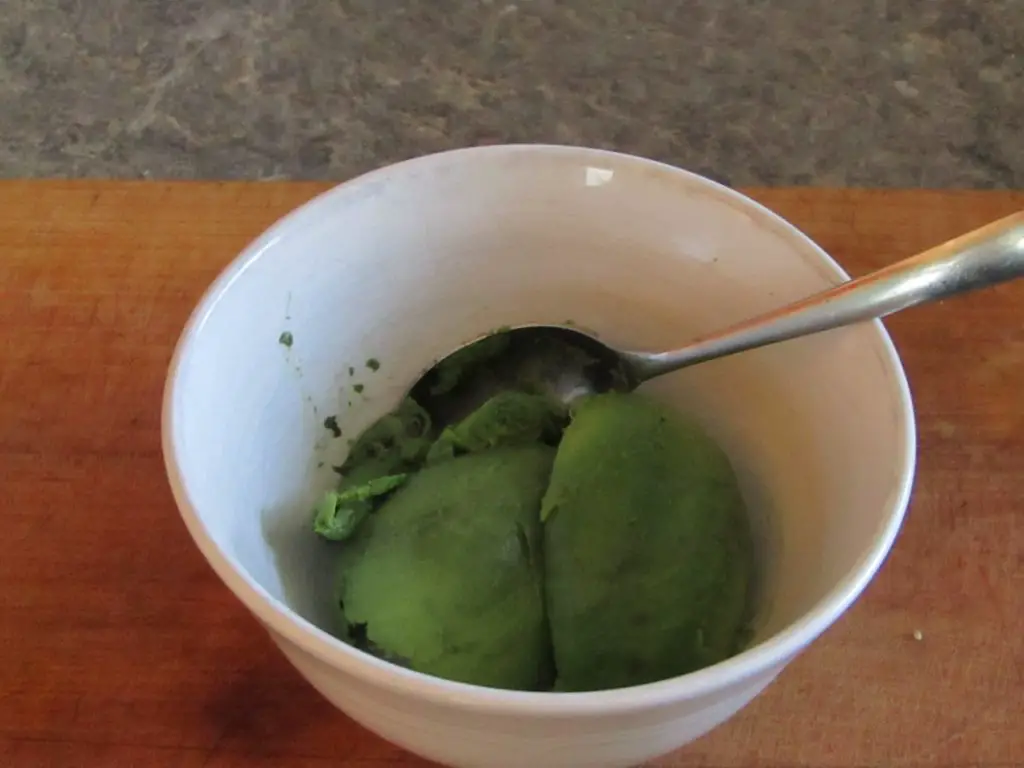
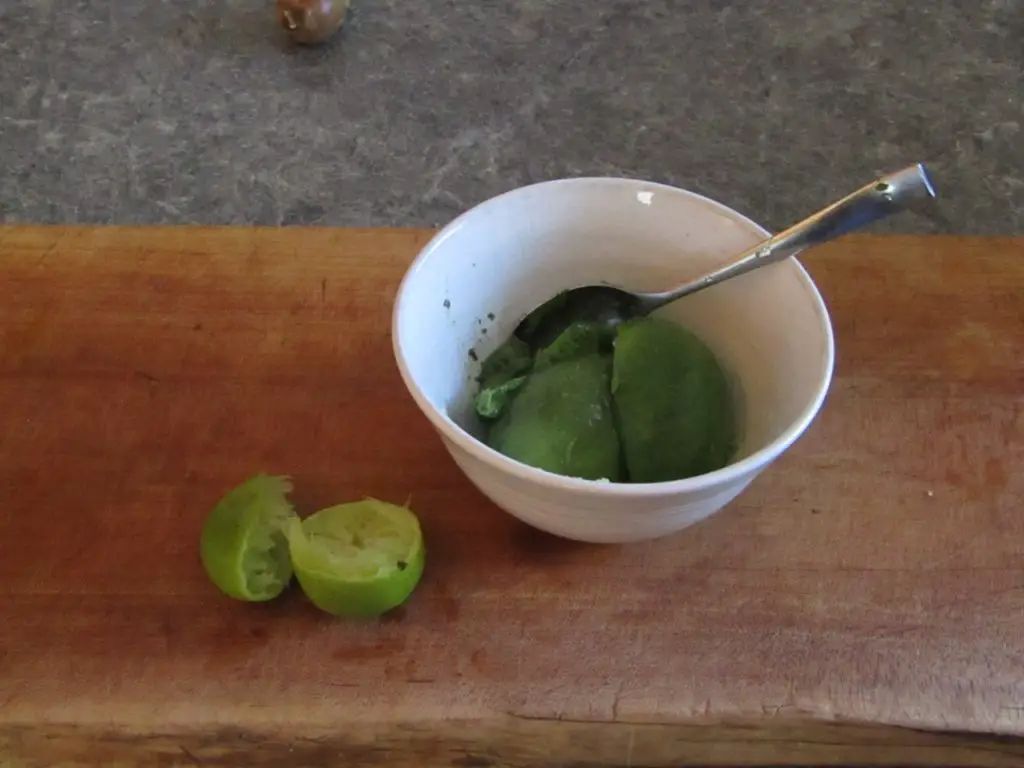
Split avocado in half and scoop out the flesh into the bowl
Juice the lime into a bowl
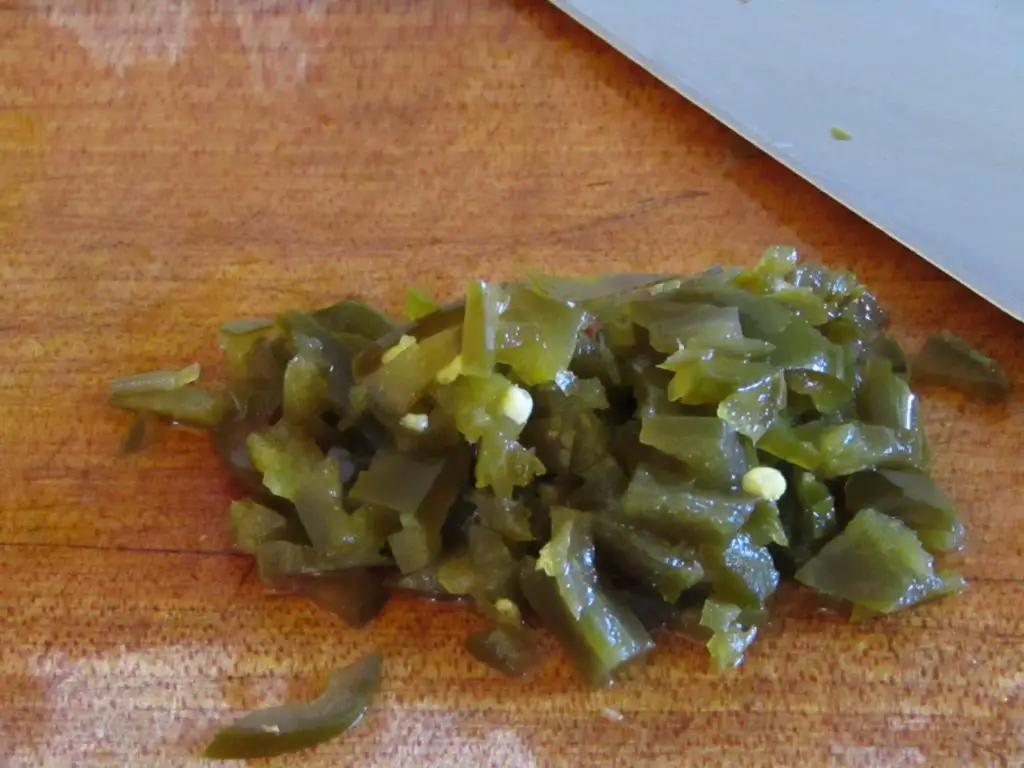
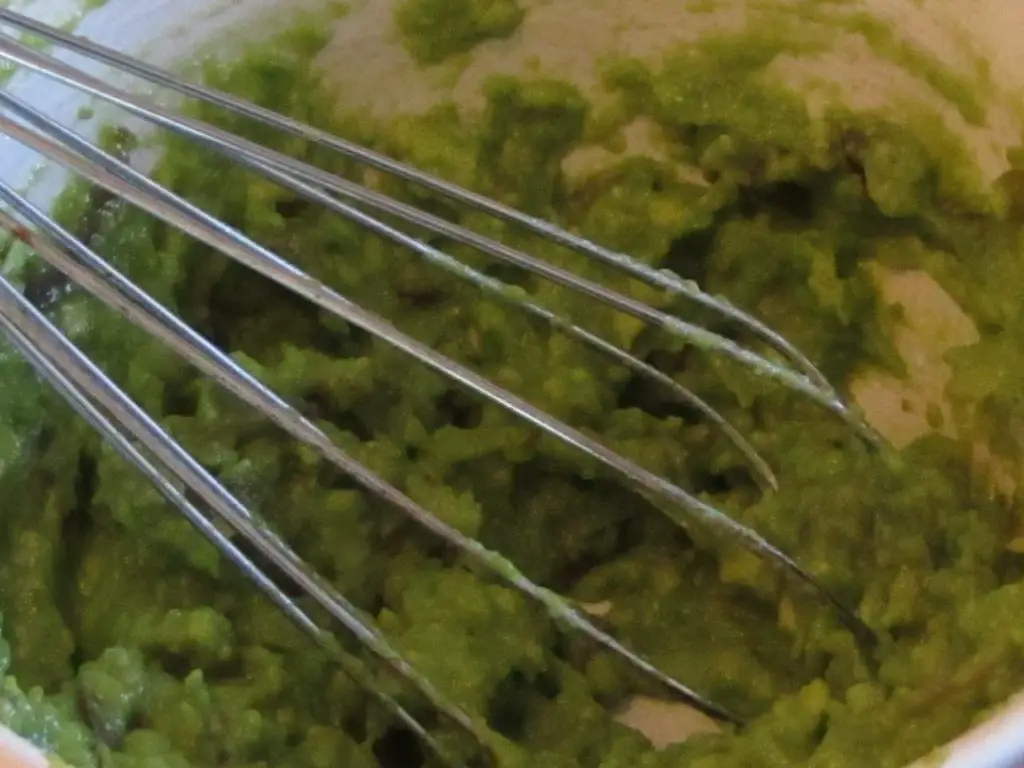
Roughly chop fermented peppers and add to the bowl
Spicy fermented relish is a great addition to a sandwich, hotdog or on a burger. It is the ultimate condiment for those who like spicy food as it can be added to anything which needs a little more spice. Its sweetness cuts the acidity produced through the fermentation of the hot peppers making it easy to eat way too much of it.
Equipment:
Kitchen knife
Cutting board
Tablespoon
Grater
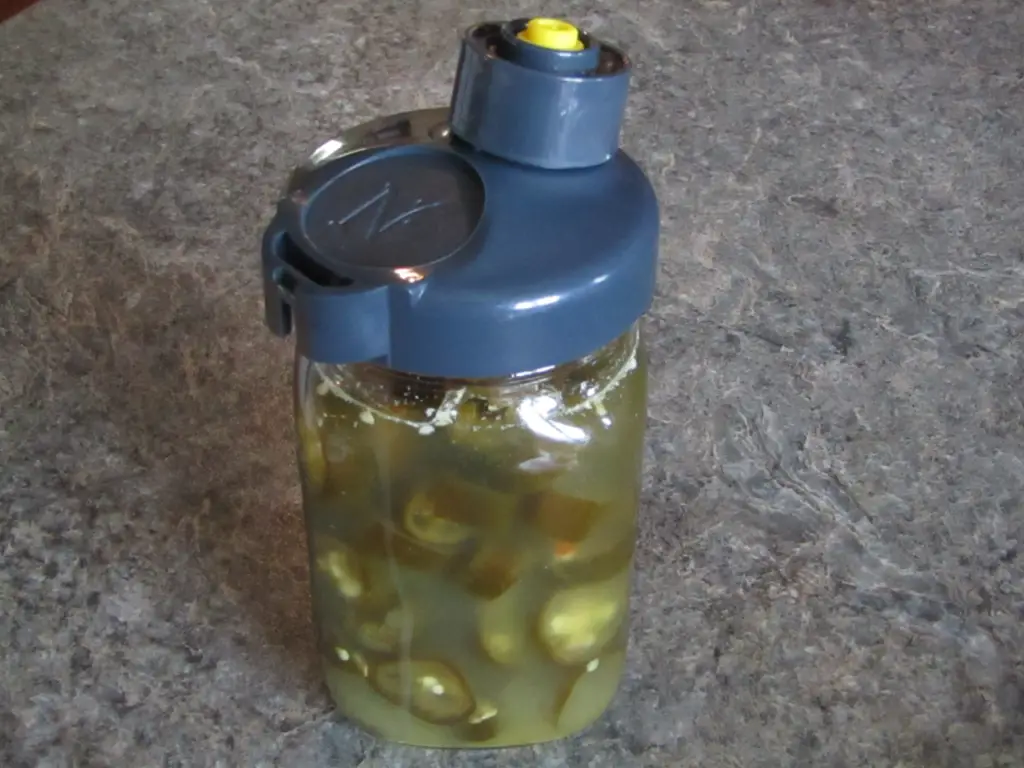
Glass jar with airlock or lid
Bowl large enough to hold all ingredients
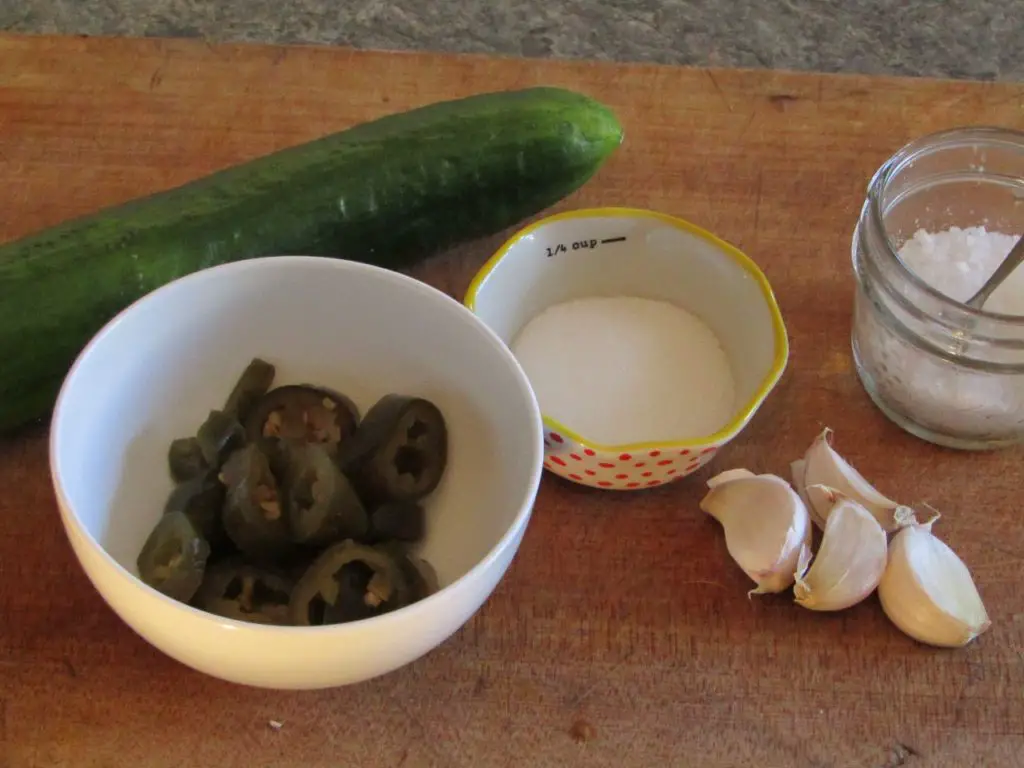
Ingredients:
½ cup fermented hot peppers
1 cucumber
2-4 cloves garlic
½ cup sugar or honey
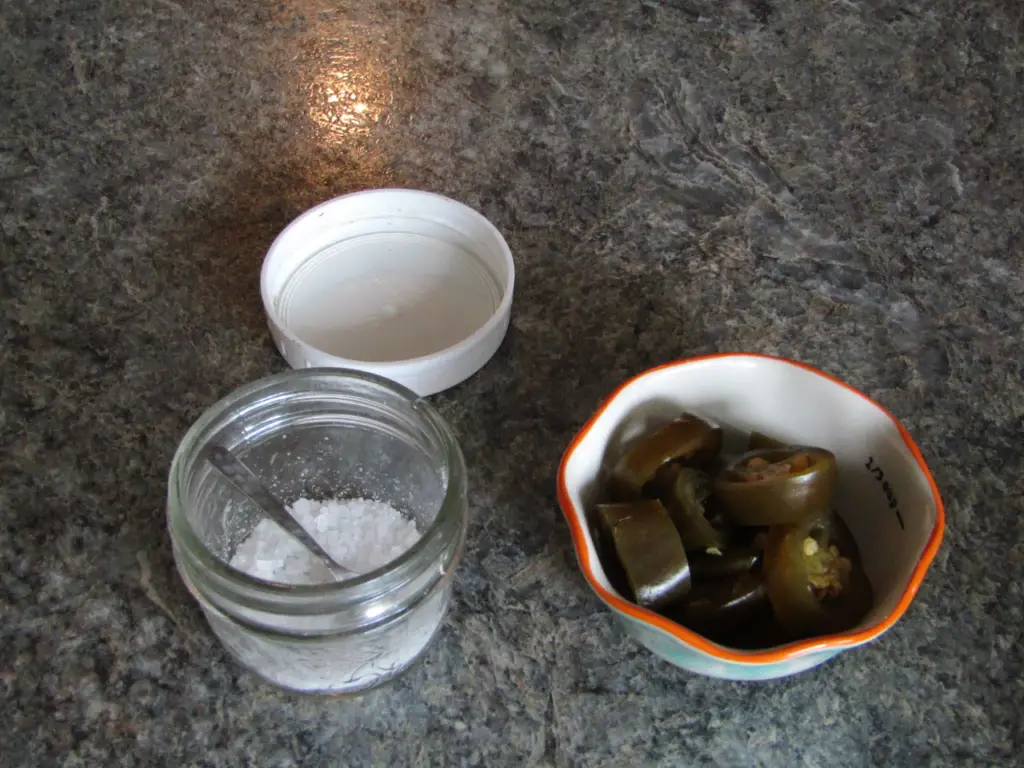
2 teaspoons salt
Instructions:
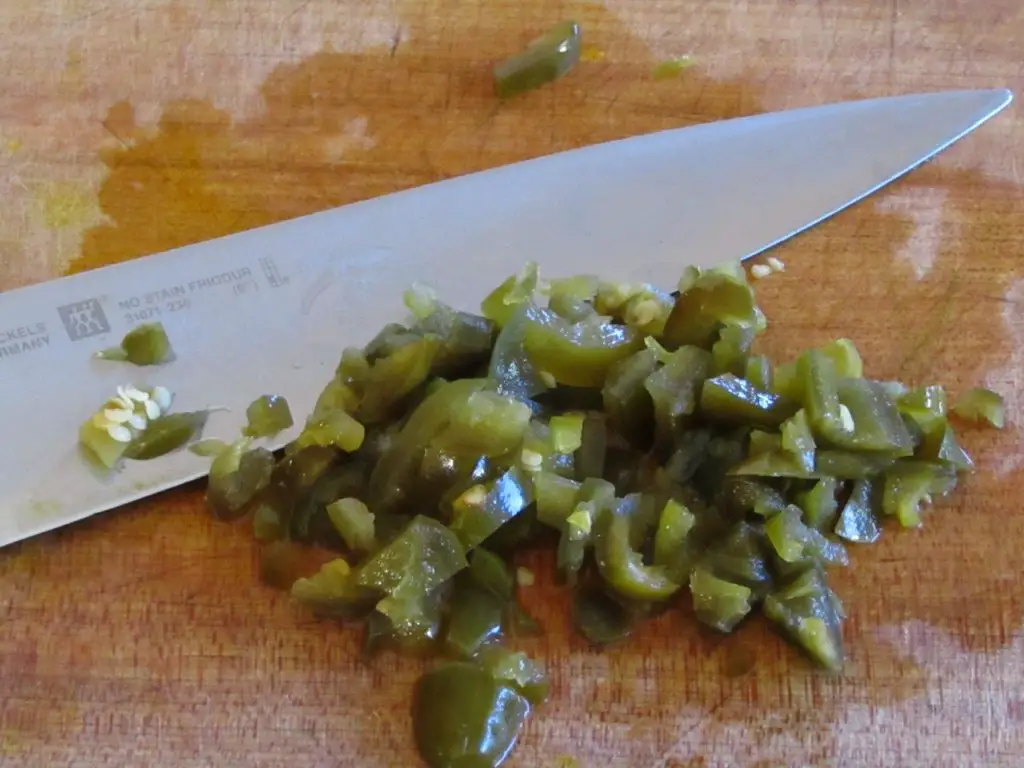
Roughly chop fermented peppers
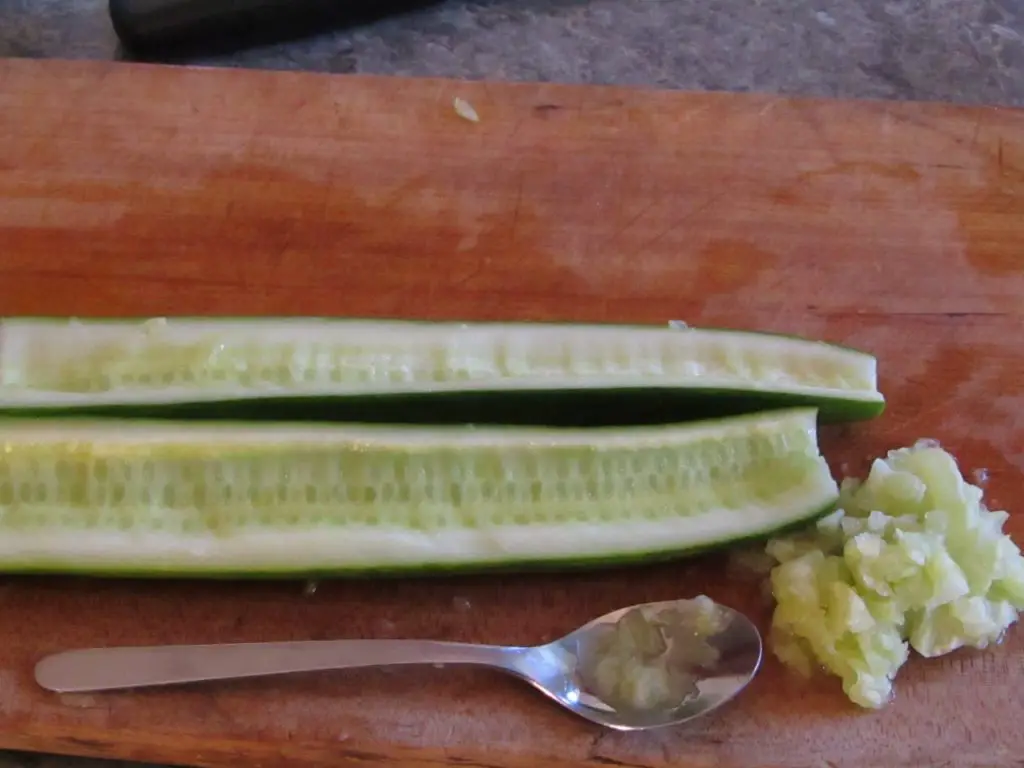
Slice the cucumber in half and remove the seeds
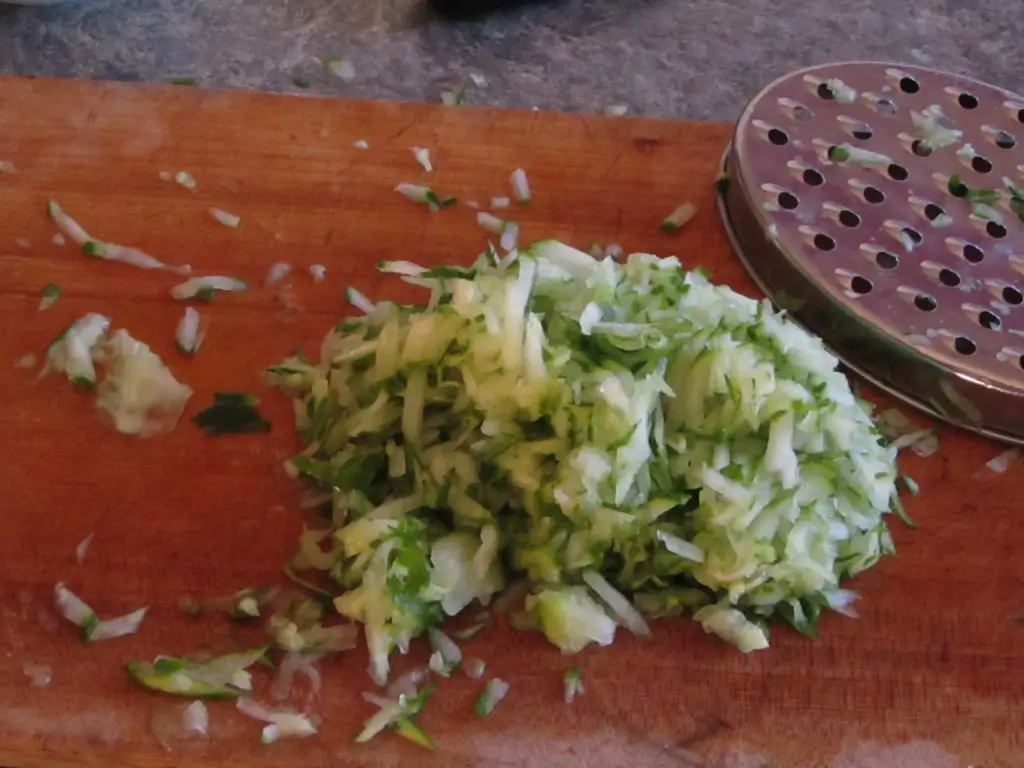
Grate cucumber
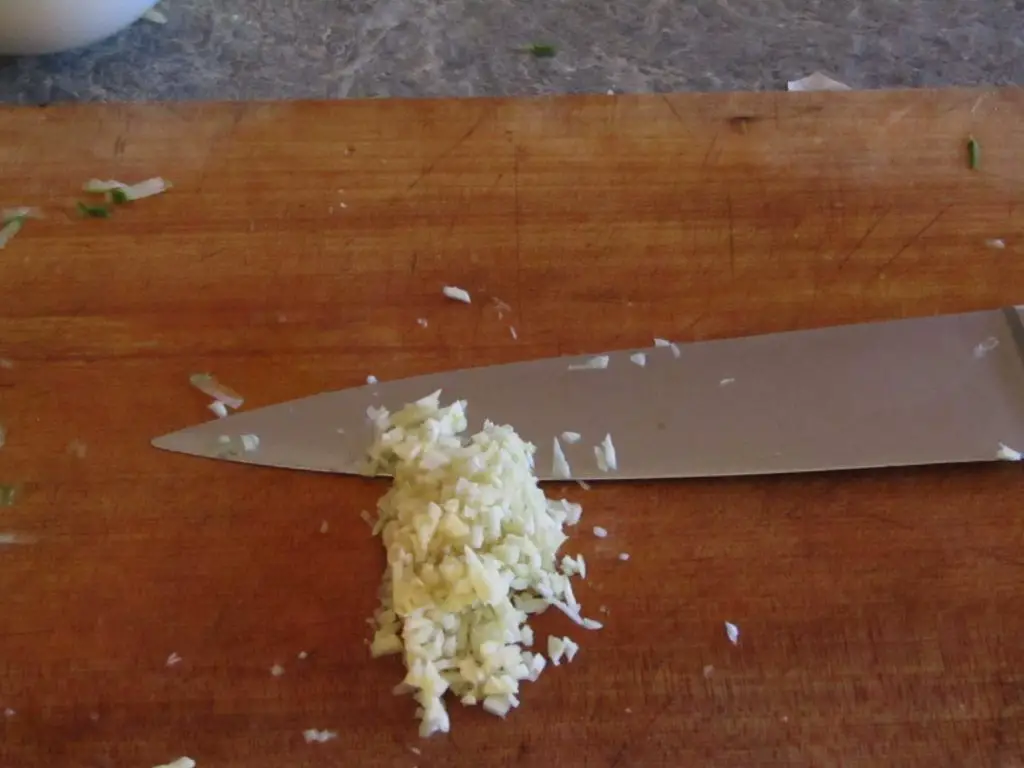
Crush garlic cloves and mince
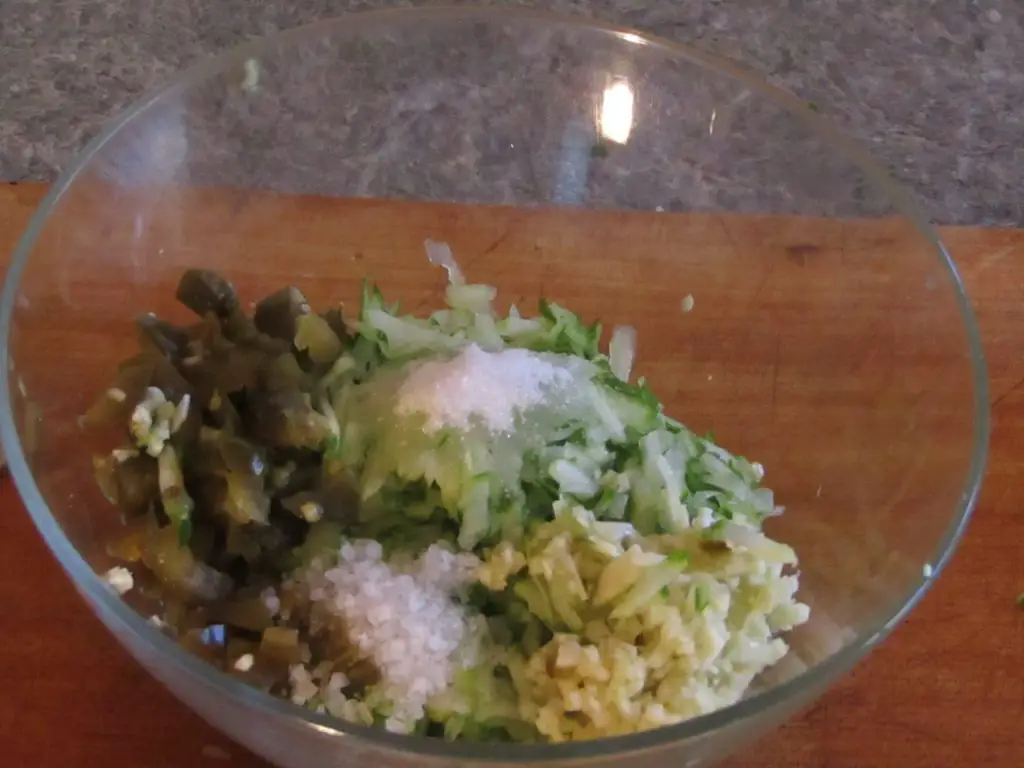
Combine all ingredients in the bowl and mix thoroughly
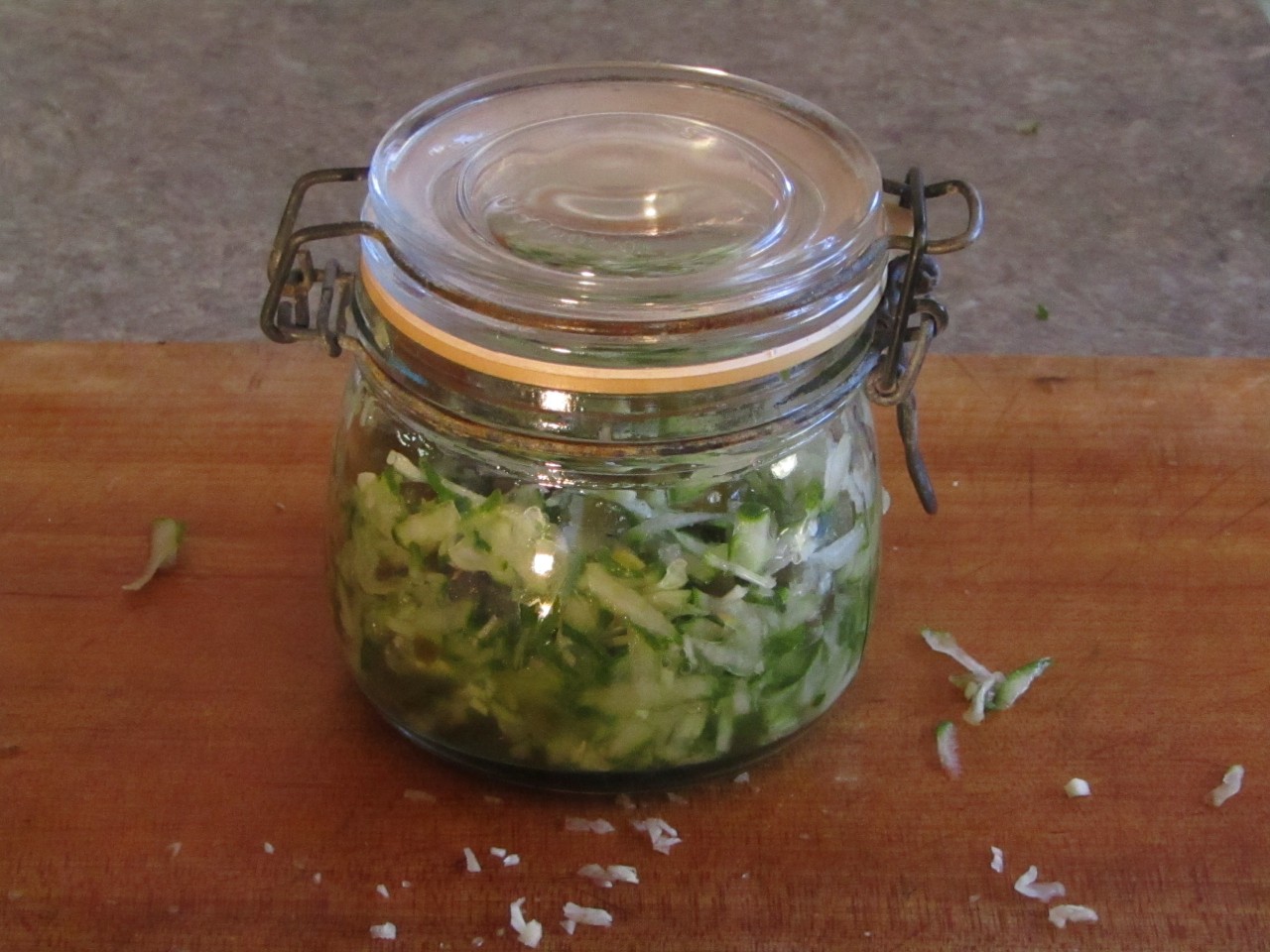
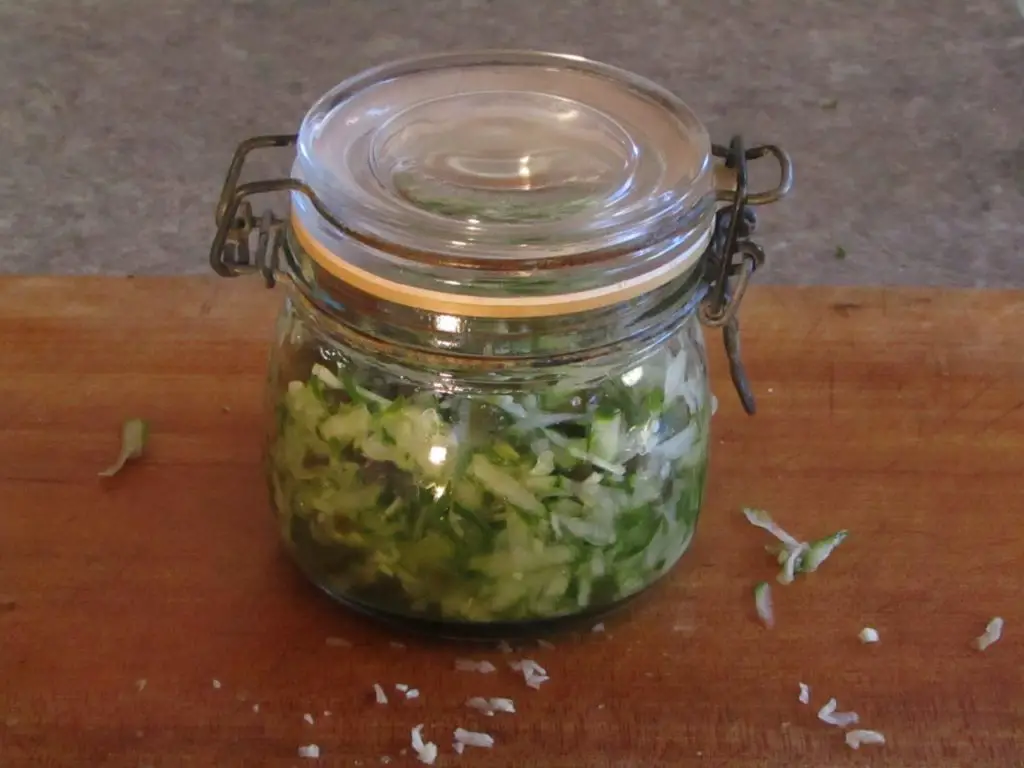
Pack into the jar and place airlock or lid
Ferment in a cool location (about 65℉℃) for 3-4 days
If not using an airlock burp the jar daily
Begin tasting relish after 3 days and refrigerate when it has reached desired tartness
Notes:
Consume this relish quickly as it will continue to ferment even in the fridge, slowly becoming more acidic until it will be too tart to eat.
To reduce the liquid in the relish drain the grated cucumber for 15-30 minutes prior to combining with the other ingredients.
Three Components Of Kombucha And How They Affect Flavor
The first time you taste kombucha you will experience a unique sensory experience. Kombucha, a fermented tea, can come in a variety of flavors from ginger to mango and beyond. Each of these flavoring ingredients alters the overall flavor of the kombucha but the base flavor remains essentially the same.
Kombucha’s base flavor stems from the acetic acid concentration of between 7000-9000 mg/liter, the astringency from the tea leaves and flavoring and the carbonization during second fermentation giving the mouth a tingly feeling reminiscent of soda pop.
The three components to be aware of when considering the flavor of anything, kombucha included, are the aroma, the taste and the mouth-feel. The flavor of kombucha depends on the elements which make up these three components
The aromatic components of kombucha
The aroma of kombucha, its smell, is made up of the volatile components in the kombucha. These are the compounds in the kombucha which become airborne when a bottle of kombucha is opened. They are mostly made up of acetic acid compounds mixed with the flavoring agent during second fermentation with added components from the yeast which dominated the fermentation.
If black tea is used the original tea fragrance will not be detectable since the volatile components of the tea will have escaped into the air during the steeping process prior to the primary fermentation and if any was left once the tea leaves were removed it would have evaporated during the 7-14 day fermentation.
Green and other non-oxidized teas (white, oolong) have fewer volatile compounds in the leaves. As the kombucha ferments in the primary fermentation these compounds are oxidized and depending on the primary fermentation time, some may remain prior to bottling. As a result these compounds may be detected in the finished kombucha.
There is a small amount of alcohol produced during fermentation which adds to the fragrance once the kombucha is opened. Alcohol is a volatile compound which evaporates into the air quickly with the help of expanding carbon dioxide. The type of alcohol produced will depend on the chemical makeup of the kombucha solution, the dominant yeast and second fermentation time.
Additionally the aromatic compounds in the flavoring agent during second fermentation will infuse with the other volatile compounds giving your kombucha additional fragrance.
The Taste components of kombucha
Taste is what you sense on your tongue when you eat something. Your taste buds can detect five basic flavors in various combinations. They are sweet, salty, bitter, sour and umami. Everything you eat has each of these in varying degrees giving everything you eat a different flavor.
Although Kombucha has all five of these flavors there are two which dominate the taste profile; sweetness and sourness.
The source of the sweetness of kombucha
Kombucha is made by adding a culture to tea sweetened with some type of sugar. It could be white sugar, brown sugar, molasses or a wide variety of other kinds but they are all made from two primary types of simple sugar, glucose and fructose.
Although the microorganisms in the SCOBY can consume both glucose and fructose it is much better at digesting the glucose leaving the fructose behind. When kombucha is fermented for short periods of time it is high in fructose and can taste very sweet. As it ages the bacteria able to use the fructose slowly lowers the sugar content in the kombucha.
Besides white sugar which is purified to remove everything but the glucose and fructose all the other forms of sugar will contain compounds which will affect the flavor of the kombucha. This is due to either the compound is present in the finished kombucha or because the various microorganisms found in the culture produced it.
The source of the sourness of kombucha
The sour flavor comes from organic acids in the kombucha. These can be from the ingredients directly when fruits like lemons, limes or other sour ingredients are added during the second fermentation but the main source of the sour flavor in kombucha is the acetic and lactic acid produced by the culture’s bacteria.
The kombucha SCOBY has a high concentration of acetic acid bacteria and as the name suggests produces acetic acid, otherwise known as vinegar. It is this vinegar which gives the kombucha its sharp acidic taste. Acetic acid is the most prevalent acid in kombucha but glucuronic acid and gluconic acid are also present.
Lactic acid can also be found in some kombucha fermentations depending on the fermentation environment, SCOBY heritage and starting ingredients. Lactic acid consumes glucose easily but also some strains use fructose for fuel so if they are present in high numbers they can reduce the sweetness of the kombucha and increase its sourness.
Time is also a factor, the longer the kombucha is fermented the more sugar in the tea is used by the bacteria which produce acid, making the kombucha sour.
The mouth-feel of kombucha
Mouth feel or the texture of a food has a great impact on its flavor. Foods which are spicy, slimy or hard produce particular feelings in the mouth which affect how the food is perceived. Kombucha, like any other food, has a particular mouth-feel which varies depending on its ingredients.
The mouth-feel of kombucha is dominated by its carbonation and acid level. The carbonation is produced during the second fermentation stage whereas the acid level is dependent on the amount of sugar used and the total fermentation period.
Factors which affect kombucha’s carbonation level
The carbonation level of kombucha is determined by the amount of easily fermented sugar in the second fermentation, the ambient temperature, the second fermentation time and the dominant yeast and bacteria.
Higher amounts of sugar and temperature will encourage the yeast in the kombucha to ferment quickly. This will produce copious amounts of carbon-dioxide which will remain in the liquid as long as the pressure is maintained. Once the pressure is released (by opening the bottle) the carbon-dioxide will gassify and create bubbles.
Some kombucha cultures produce a higher amount of carbonation than others. Kombucha SCOBYs with a high amount of lactic acid bacteria produce less carbon-dioxide than those with higher amounts of acetic acid.
Lactic acid bacteria can produce lactic acid bacteria through two pathways:
Heterolactic fermentation
Heterolactic fermentation produces some carbon-dioxide and several acids. This pathway is used by Leuconostoc mesenteroides and is present in the production of fermented vegetables like sauerkraut. This type of bacteria is often found in kombucha cultures.
Homolactic fermentation
Homolactic fermentation does not produce any carbon-dioxide. This pathway is used by Lactobacillus delbrueckii and S. thermophiles which are involved in yogurt production but can also be found in kombucha cultures.
Other factors which can affect the mouth-feel of kombucha
The kombucha culture, type of tea and the second fermentation flavoring agent all affect the mouth-feel of your kombucha.
How the kombucha culture can affect the mouth-feel of kombucha
As mentioned above the presence of specific lactic acid bacterial strains can affect the amount of carbonation but they also affect the texture of the kombucha. Some lactic acid bacteria produce high amounts of biofilm which protects the culture from contamination and infection from the environment. The biofilm is thought to be the precursor to the pellicle (the cellulose mat or what many refer to as SCOBY) is formed from.
High amounts of biofilm has the effect of maintaining the head on the kombucha longer, providing a lingering taste and adding thickness to the texture of the kombucha.
How the type of tea can affect the mouth-feel of kombucha
The type of tea used can alter the mouth-feel by varying the astringency of the final product. Astringency is not a flavor as it is not detected by the taste buds but rather it causes dehydration in cells it comes in contact with. This produces the familiar tightening of the tissues in the mouth when in high concentration.
Various teas and other tinctures which are used to make kombucha have higher or lower amounts of astringent compounds in them which ultimately affect the mouth-feel of kombucha. Astringency is associated with the amount of tannins in the food. Tannins are the compounds in the tea leaf which give tea its color.
Black tea, due to its high oxidation levels, provides the highest levels of astringency. This is easily seen by the dark color of the tea used to make kombucha.
Oolong has an oxidation level between 8-85% which means its astringency is somewhat lower than black tea but still has an abundant amount of tannins.
Green tea which is not oxidized at all still has high astringency which can be detected in kombucha. The leaves of the camellia sinensis plant which is used to make all types of tea is high in tannins but with green tea it is locked up in the leaves. This is one of the reasons why green tea is best when made with water which is not quite boiling ( 175℉ (80℃) to 180℉ (82℃) ). Once these compounds are released into the water they will be oxidized by the culture which darkens the kombucha as well as increasing the detectable astringency.
Green tea is usually used to produce Jun, which is a kombucha variant made with green tea and honey. It is not usually second fermented which makes it a nice slightly tart, sweet drink with clean flavor.
To get a higher or lower astringent mouth-feel in the kombucha the amount of tea leaves used to make the tea can be adjusted. A higher concentration of leaves in the original tea will affect the amount of tannins in the tea used to make kombucha. After a five minute steep in hot water the concentration of tannins in the leaves and the water will have equalized, therefore to increase the tannins in the water more tea is needed. More information regarding kombucha tea steeping time can be found here.
How the second fermentation flavoring agent can affect kombucha mouth-feel
The second fermentation flavoring agent can have a profound effect on the mouth-feel of your kombucha. Adding astringent ingredients to the second fermentation will have a direct affect on its mouth-feel. Using hot peppers will add a spicy addition to the kombucha, again altering the mouth-feel. For more ways to flavor your kombucha checkout this article about several other methods of flavoring kombucha.
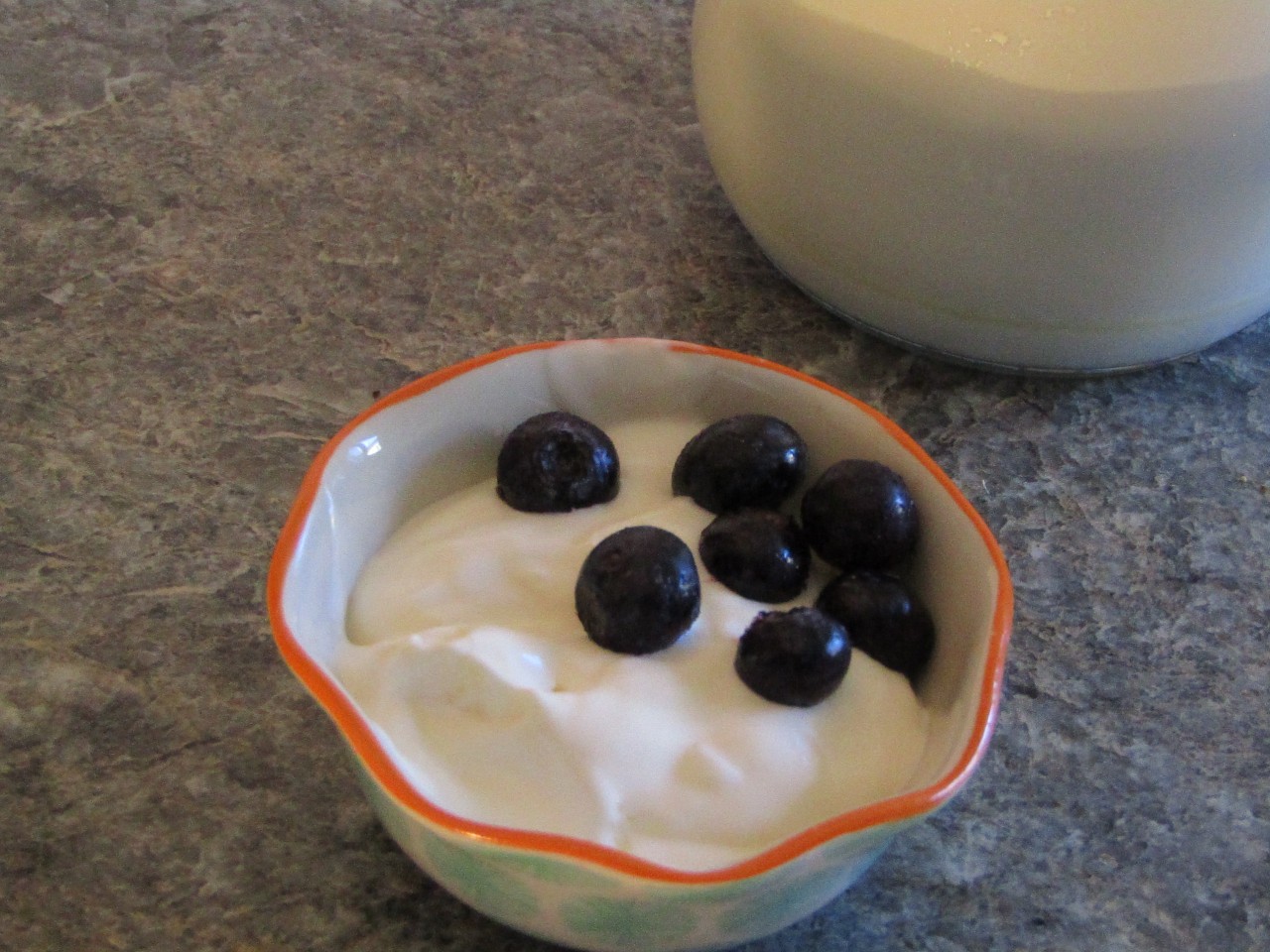
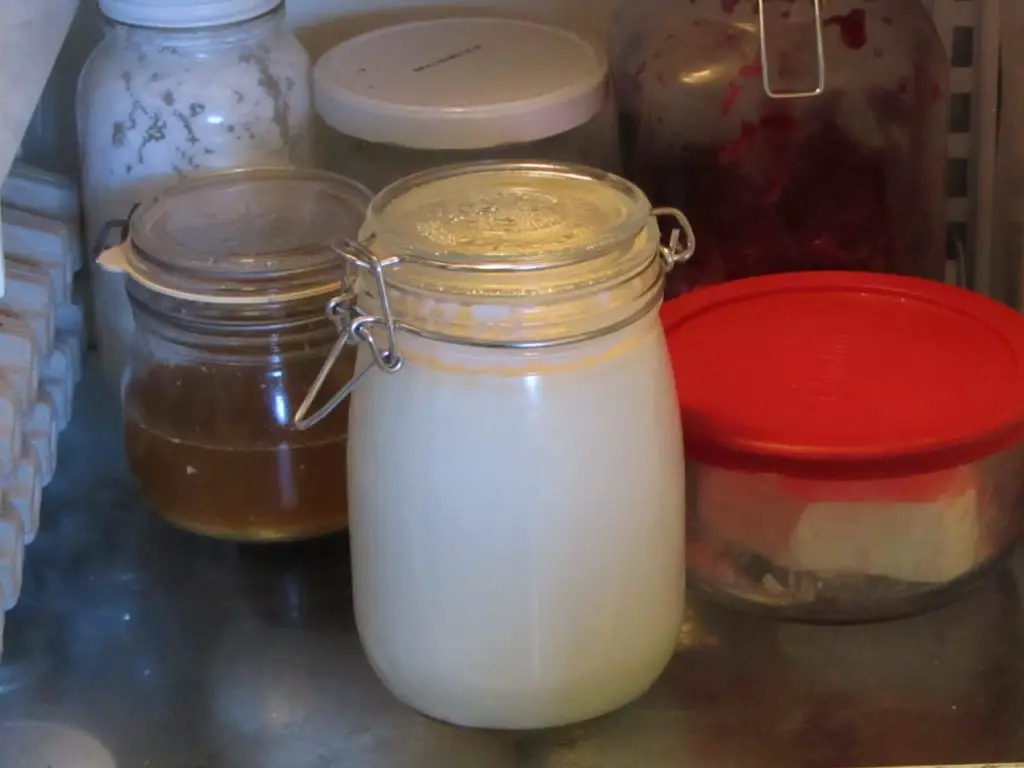
Yogurt is one of the most popular fermented milk products. It can be made with a variety of milk types including heavy cream. Yogurt made with heavy cream has a thick creamy texture, produces little whey and is less tangy than other yogurt made with milk of a lower fat content.
Yogurt made with heavy cream has a lower lactose and water content while having a higher amount of milk fat. As a result the yogurt is not as acidic, has a creamier texture and maintains its viscous texture during handling.
If you want a yogurt that has a rich texture which is great for dips, fruit topping or just eaten with a spoon then heavy cream yogurt is a great choice. Other forms of thick yogurt rely on thickeners, the draining of whey or long pasteurization times (for more ways to make thicker yogurt check out this article) but yogurt made with heavy cream does not need any additional processing or additives to get a thick creamy yogurt.
Why make yogurt with heavy cream
Yogurt is one of the most popular fermented milk products. It is made commercially from a variety of milk fat contents from 0% fat free milk to 14% milk fat. Upon reading the ingredient list of most store bought yogurt you will discover that the less fat in the milk the more additives are added to the yogurt to give it its traditional consistency and texture. This is because the fat content in the milk acts as a buffer to the proteins in the milk, preventing them from associating with each other too strongly. Without the fat other means are needed to reproduce this characteristic.
When heavy cream is used to make yogurt the fat in the cream remains untouched by the lactic acid bacteria and remains stable throughout the process. The fat molecules lowers the ability for the protein molecules to create strong bonds with each other, keeping the yogurt texture soft.
Yogurt made with high fat milk makes great dips, sauces, probiotic ice cream and fruit topping. It is thick and creamy with a slight tangy flavor from the lactic acid and lower lactose content.
How to make heavy cream yogurt
The method for making yogurt from heavy cream is the same as making yogurt from any other type of milk. The incubation time may vary depending on the type of starter you are using, the temperature it is incubated at and how much starter you used. To learn more about how these conditions affect your yogurt’s flavor check out this article here.
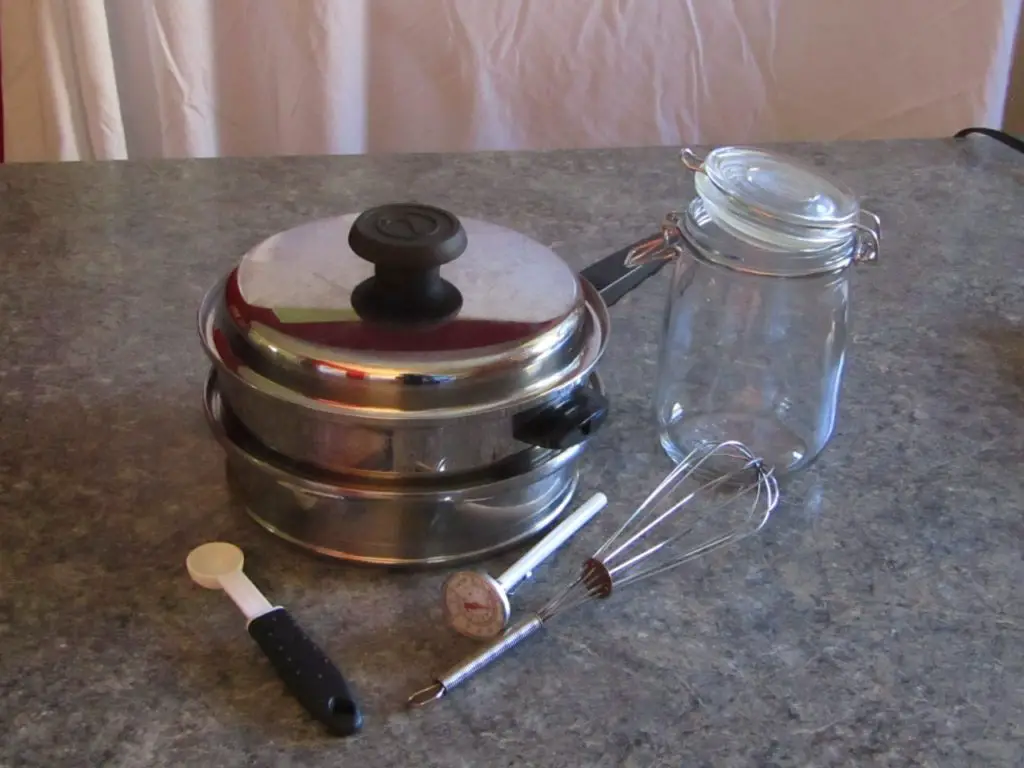
Equipment needed:
1 glass jar with lid
Wooden spoon
Double boiler
Thermometer
Whisk
Incubation chamber
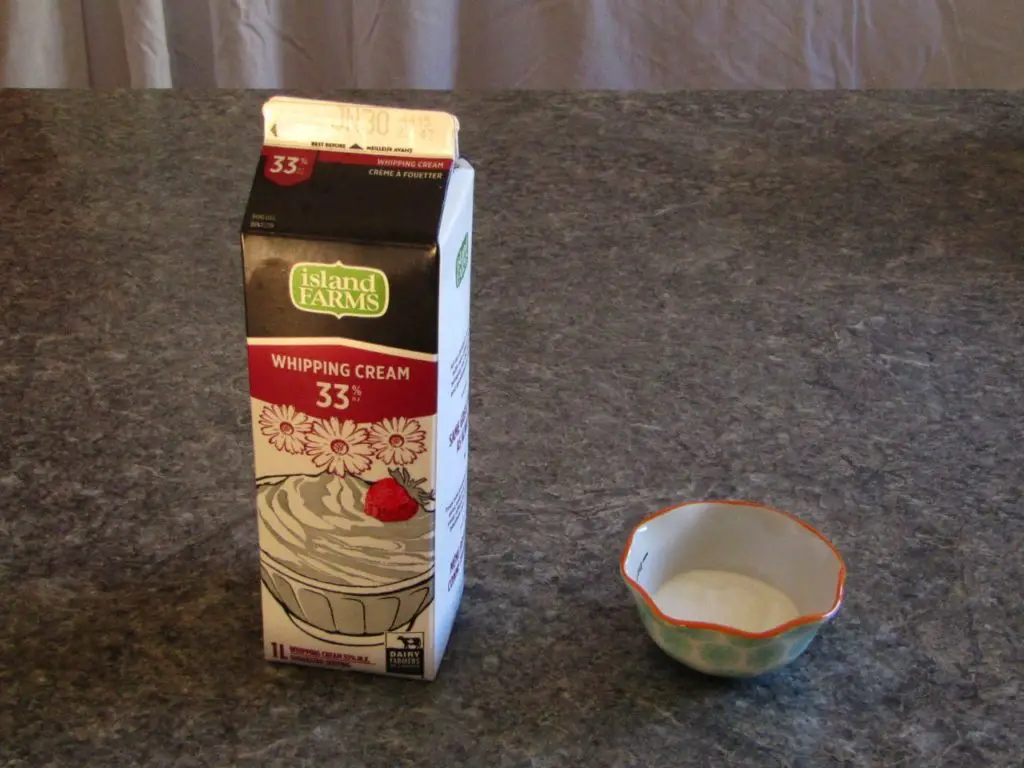
Ingredients:
Heavy cream
Yogurt starter
Instructions:
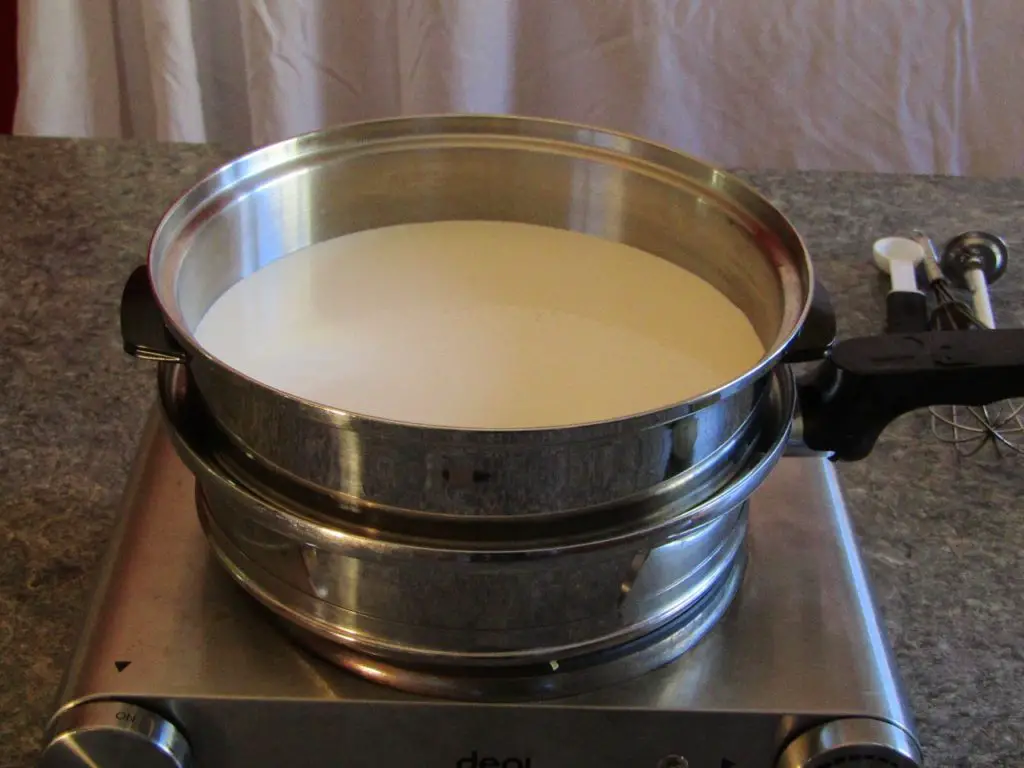
Add Milk to double boiler
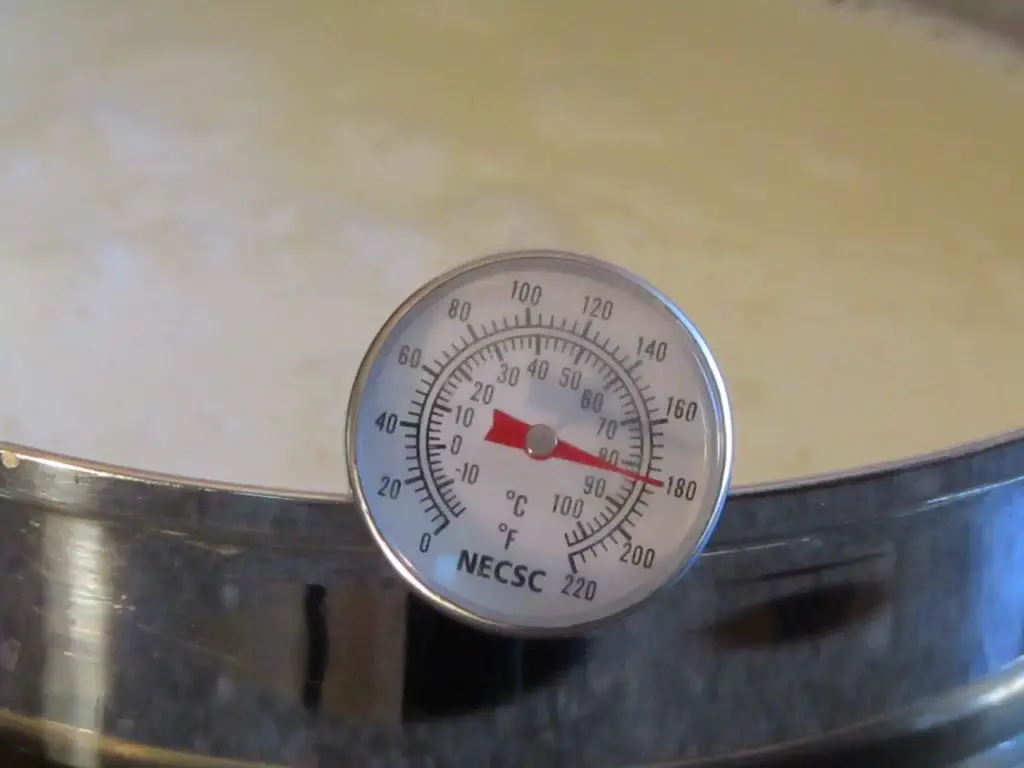
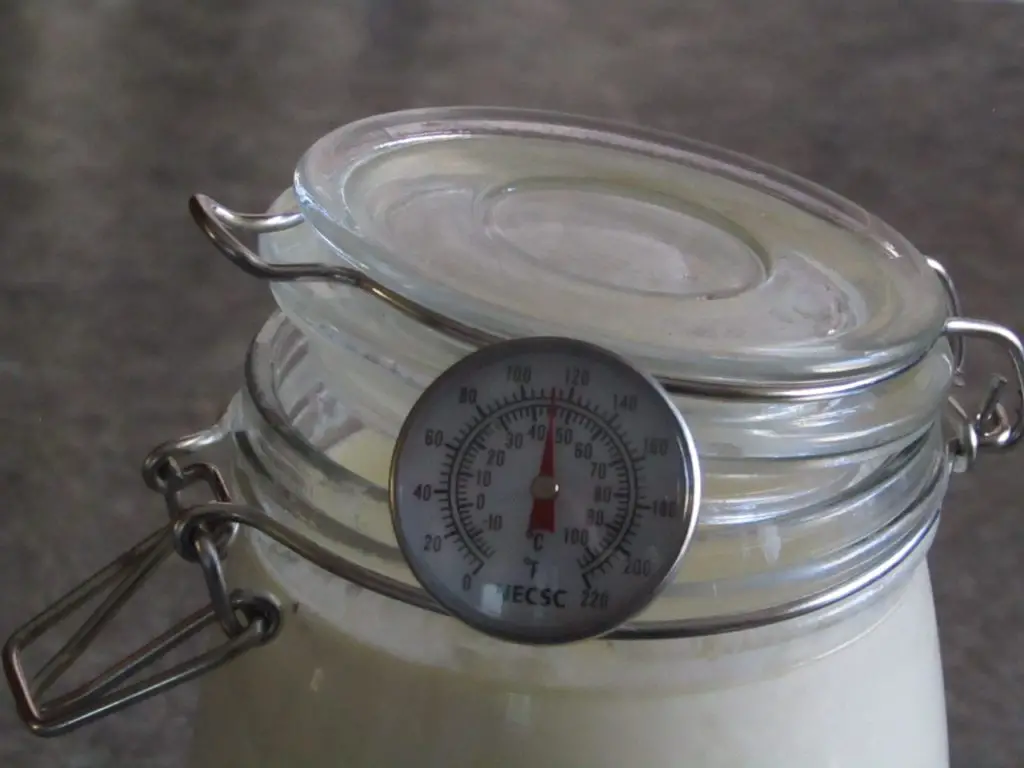
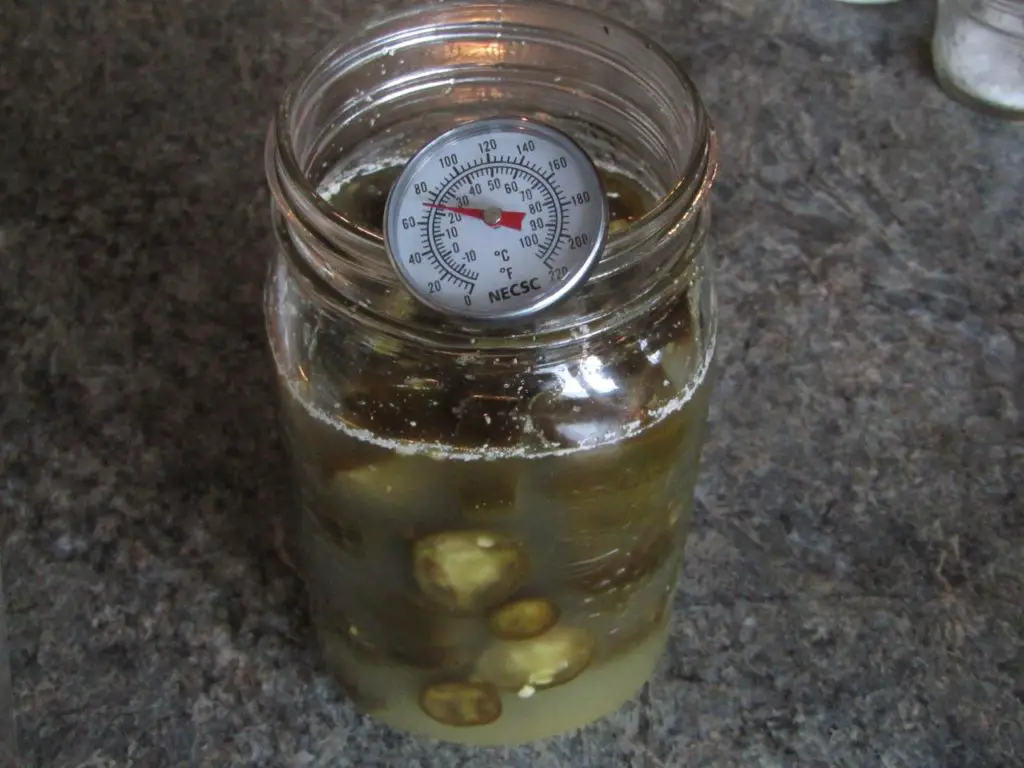
Heat milk to 180℉℃ and maintain temperature for 10-20 minutes stirring regularly
Let cool to 115℉℃ and Pour milk into glass jar
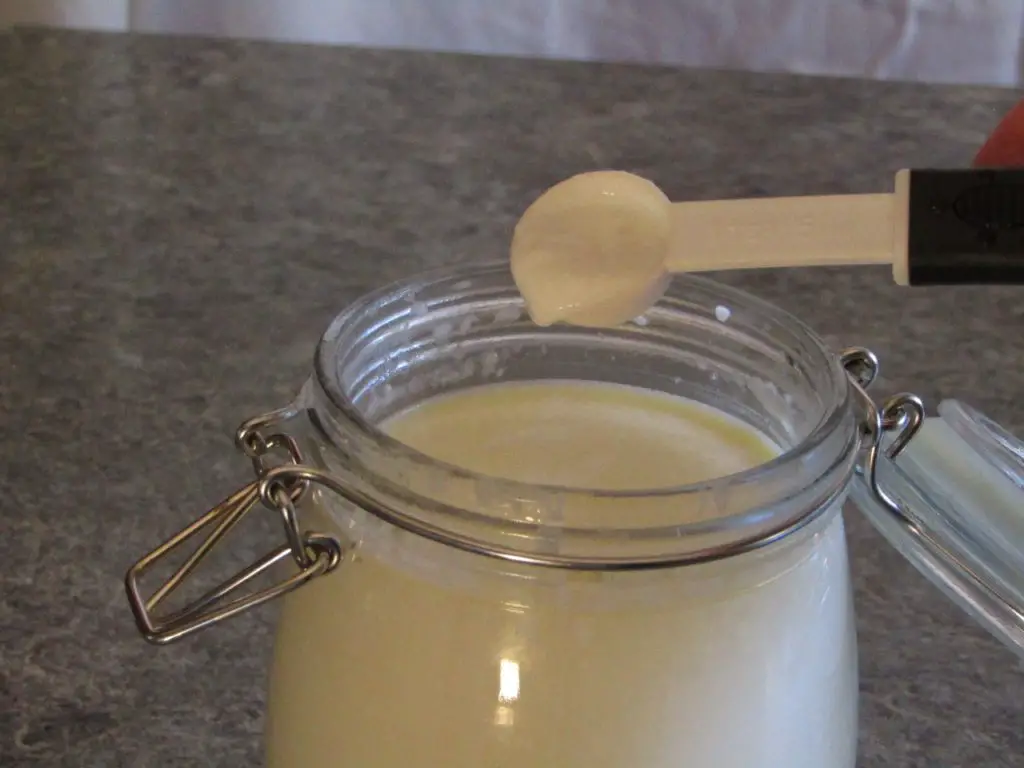
Add starter
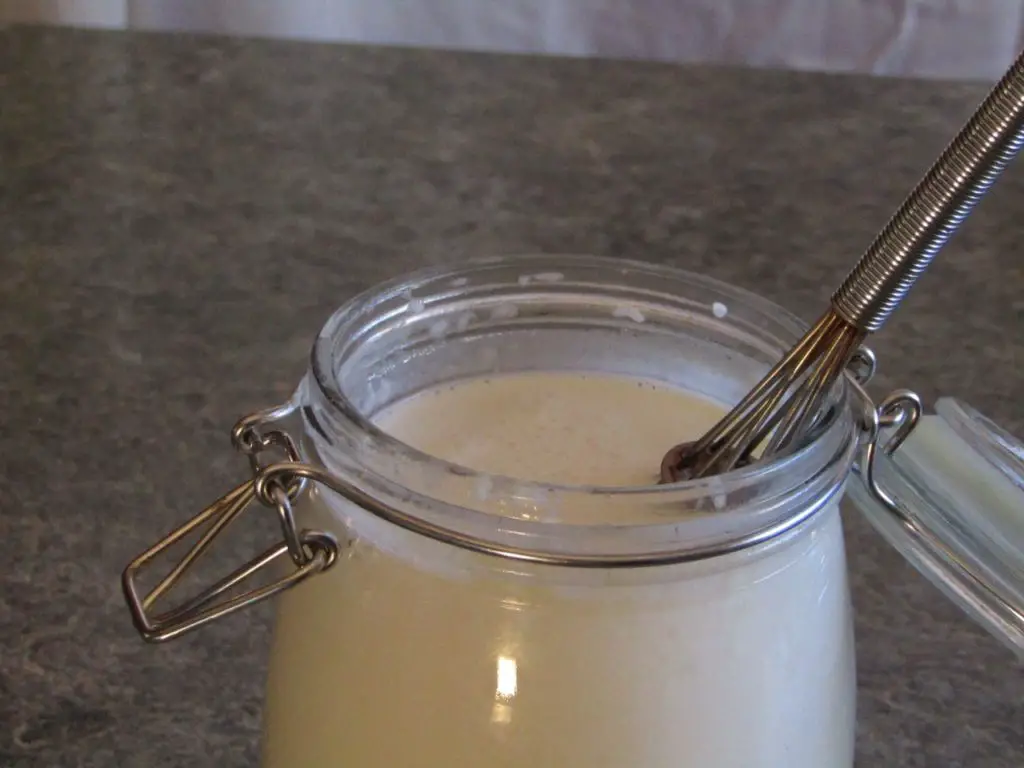
Whisk until combined
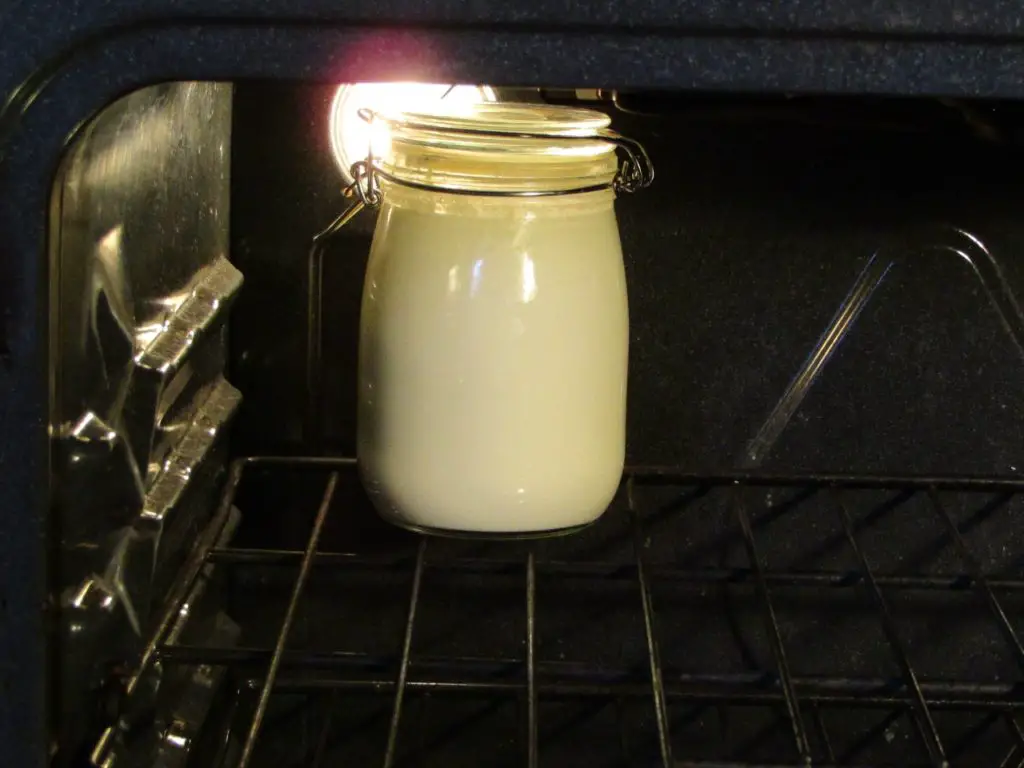
Place lid and put jar into your incubation chamber and incubate for 6-12 hours
This is one of the most disheartening things which can happen. You have waited two weeks or longer to try the new hot pepper ferment and you open the jar to be greeted with the rotten smell of sulfur or compost. You see the green and yellow fuzzy growth all over the surface of the peppers and you realize something has seriously gone amiss.
When fermenting peppers it is important to prevent the exchange of oxygen in the container. Although there are other factors which affect the growth rate of mold in a pepper ferment, the only sure method of preventing mold growth is eliminating free oxygen in the container.
Fermented peppers will become moldy when they are exposed to oxygen for an extended period of time. Mold needs access to free oxygen for its respiration, growing rapidly when its ideal conditions for growth are met such as a warm, moist environment with access to carbohydrates and oxygen.
Why oxygen exchange is the primary reason for mold growth on peppers
Mold is everywhere. It grows on every surface, in every environment and uses a wide variety of food sources. It can grow in salty solutions, humid or dry environments and hot and cold conditions. It is the ultimate recycling system being able to break down the long chain carbohydrates which makeup the structure of life but without oxygen it cannot do its job.
Mold is aerobic, meaning it needs oxygen to grow. Other factors like salt content, temperature and light exposure can inhibit the growth of mold but not stop it as there are many types of mold which can grow in all these conditions. It is only the elimination of free oxygen from the environment which will prevent mold growth.
Not enough salt to inhibit the growth of mold
Salt has been used in food preservation throughout history. It has been found that when salt is added to food it will last much longer than otherwise. Therefore salt has been used to preserve all types of food from meat to fruit.
Salt makes some water unusable for the mold and damages the cell’s equilibrium when it enters the cell, causing cell death or energy depletion while the cell removes the salt. Reducing the mold’s ability to produce Mycotoxins, preventing off flavors.
Although salt is used in most lactic acid fermentations to control mold and other unwanted microorganisms it does not prevent all growth of mold. There are several families of mold which are salt tolerant which grow mostly in salt rich environments. The species Penicillium and Aspergillus are the most common which live in different environments. Although some of the species of these two families have beneficial uses such as medical and commercial uses some produce mycotoxins which are harmful.
Penicillium produces mycotoxins which are anti-bacterial, which is not something you want in a lacto-fermented vegetable as it will inhibit the growth of the lactic acid bacteria. Penicillium grows well in cool high moisture environments and is present almost everywhere.
Aspergillus also produces mycotoxins which can be harmful to human health. They inhibit the growth of other microorganisms by producing these mycotoxins which are meant to slow or stop the growth of other organisms competing for food. The species Aspergillus oryzae is used in the production of miso, sake and many other traditional Japanese foods but other most other species are harmful.
Improper fermentation temperature promotes mold growth
The refrigerator is the main tool we currently use to slow the growth of spoilage microorganisms. It has been found that microorganisms of all types grow slower in cool temperatures than in warm ones. This means not only are the spoilage bacteria slowed but also the lactic acid bacteria.
The cooler temperature lowers the activity of all microorganisms but it does not stop its growth. This leads to a longer storage time for two reasons.
The spoilage bacteria produce fewer toxins and distasteful compounds which make the ferment inedible.
The lactic acid bacteria are slowed preventing the fermentation from becoming overly acidic.
Temperature has been a method of controlling spoilage ever since refrigeration became popular and continues to be so but it is not a method where mold is prevented it is only a method where it is slowed. This is apparent everytime you clean your fridge and pitch all the green and growing leftovers found jammed in the back.
Using temperature to control mold growth is a two step process. The first step is to lower the pH of the peppers and produce exotoxins which prevent the growth of mold. To do this the temperature of the peppers needs to be kept in the optimal growth range for lactic acid bacteria (60-75℉ or 15-24℃).
Once the lactic acid bacteria have lowered the pH to 4.5 or so there is sufficient acid to prevent most spoilage bacteria and mold from dominating the peppers but to insure the peppers are protected from mold growth leave the peppers to ferment at least a month. The long fermentation time will allow the lactic acid bacteria to produce enough of the compounds it uses to prevent mold growth for long term storage.
After a month of fermentation, place the peppers in a cool location such as the fridge for use. You can store your fermented peppers in a sealed container for months to years depending on storage temperature, effectiveness of the seal and light exposure but once they are opened they will be exposed to oxygen and possibly be subject to mold growth. The cool temperature in the refrigerator slows any mold growth preventing spoilage.
Light exposure slows the growth of mold
Electromagnetic energy is lethal to organic life. Without the absorbing effect of our atmosphere life could not exist. The danger comes from the ultraviolet frequencies which are on the fast side of the scale of the electromagnetic energy scale.
When mold is exposed to ultraviolet light the energy transferred into the medium damages the cells delicate connections which prevents its ability to survive. When mold is exposed to a high concentration of ultraviolet light it destroys a high percentage of the microorganisms in the medium.
Light exposure is indiscriminate to what it destroys. It kills small cells of all types whether they are mold, bacteria, yeast or even animal skin cells. This means that it is not a useful method of controlling the growth of mold in a fermentation. For a successful fermentation you want to target organisms which produce the outcome you want. By using a controlling mechanism which destroys all cells no microorganism can get the upper hand.
Instead you need to use methods which hinder the growth of mold and encourage the growth of lactic acid bacteria. Methods such as excluding oxygen flow, addition of salt and maintaining optimal temperature for growth.
Contaminated utensils
When serving peppers it is important to use clean utensils as the introduction of dirt or food particles will contain mold spores. With the availability of oxygen from opening the container to serve the mold will have access to carbohydrates which the peppers cannot digest and oxygen. This leads to mold growth and an off flavor or outright spoilage of the peppers.
Moldy ingredients
Like many other preservation systems it is best to start with the freshest and best quality product. Sometimes people use fermentation to store peppers which have passed their best before date. When peppers have mold spots or obvious signs of decay it is risky to just cut the spots off and use them in a ferment. In such cases the mold may be able to dominate the fermentation for a week or so producing the off flavors and slowing the growth of the lactic acid bacteria and producing to off flavors.
Using dirty fermentation containers
When fermenting it is not necessary to sanitize your equipment but it is important to clean it with hot running water and leave it to air dry. If containers have bits of food or dirt on them mold will be present at the beginning of the ferment which leads to off flavors. Since mold can grow on any surface when it has access to oxygen and even small amounts of carbohydrates it is important to wash your containers just prior to fermenting your peppers in them.
Using damaged fermentation containers
Mold loves to grow in warm moist places where it has access to oxygen and food energy. Such places are easy to find if the container you are using to ferment your peppers is damaged in any way.
If your ceramic container has a small crack in it, it may not go all the way through and therefore may not leak but it does provide an environment for mold to inhabit. The porous nature of the ceramic can provide enough oxygen for growth.
Scratches in plastic containers are also great places for mold to grow in. the scratch can trap food particles providing the food for the mold which will grow while the container is not being used. Such containers are hard to clean and often mold and its exotoxins will remain in the container after washing.
Glass containers with chipped tops or damaged seals
Glass containers are some of the best and most available fermentation containers for fermentation but if they have chips on the top of the container oxygen will be able to enter the container and cause mold growth.
Damaged seals are another way oxygen can get into a glass container. If you are using resealable containers be sure to test the seal prior to fermenting with it. Inspect it carefully for any damage caused by handling, rust or age and discard any with signs of wear.
Best is always a subjective term. It depends completely on what your goals are. Do you want the hottest pepper sauce, nicest color, flavor or texture? Hot pepper sauce can be made with one type of pepper, mixtures of peppers and a variety of other ingredients which add interest or simply cool the sauce down.
The best peppers for hot sauce are fresh, locally grown and organic. Any type of pepper can be used that is fresh and chemical free. Peppers which have been sprayed, shipped and stored produce lower quality sauce as chemicals linger on peppers and long shipping and storage time allows mold growth.
From a taste perspective there is no best, just preferred. There are several perspectives which to look at to determine which pepper to use for which type of hot sauce including, heat level, flavor, color, availability and ethnicity.
Best Peppers to Use for Spicy Fermented Hot Sauce
The spice level of your hot sauce may be a source of pride for you. Being able to handle a hot sauce your friends or relatives deem insane may be your motivation. If so, here is a list of hot peppers which have increasingly more capsaicin. The higher the capsaicin the spicier the food is so to ramp up your spice level use the next hotter pepper in the list until you get one which is to your liking.
The heat scale of peppers is called the scoville scale. A pepper is placed on the scale depending on how many times an extract of the pepper needs to be diluted so the capsaicin cannot be detected. Although this is more subjective than pure chemical analysis it does give a good understanding of the heat a pepper has.
The Scoville Scale
Pepper Type
Spice Level
Bell, any color
0
Jalapeno
2500 – 5000
Serrano
6000 – 23000
Cayenne
30000 – 50000
Habanero
100000 – 350000
Red Savina
500000
Ghost
1000000
Carolina Reaper
2200000
As you can see there are many different choices when it comes to the spice level of your fermented hot sauce. Choosing the pepper depends on what you are after.
Best Flavored Hot Pepper for Hot Sauce
This is a subjective measurement which cannot be given a direct answer. Everyone has a different opinion of what tastes good so it is impossible to say this is the best flavored pepper for hot sauce. Again it depends on the purpose of the sauce, who is eating it and how it is being used.
Tabasco, the most popular hot sauce, is made from tabasco peppers, fermented and aged for a minimum of 3 years in wooden barrels, blended with white vinegar and filtered to remove any fibrous bits. Although Tobasco is the most popular there are many recipes which provide different flavor profiles.
Hot sauce can be flavored using a wide variety of flavoring agents outside of the peppers used in the hot sauce which gives the options to refine the flavor of a hot sauce to specific needs and flavor profiles.
Peppers are a fruit and therefore contain a fair amount of sugar making them sweet when eaten plain but when the capsaicin content of the peppers is high the sweetness is overwhelmed by the spicy nature of the peppers.
How to reduce the heat of hot pepper sauce
Capsaicin is mostly found in the white pith of a pepper, the part which holds the seeds to the pepper. This pith is what is removed when the seeds are discarded from the pepper. This leads to a myth which many cooks have about where the heat of a pepper is. The heat of a pepper is not in the seeds, in fact there is little capsaicin found in the seeds of a pepper so saving the seeds and using them to spice a dish is not as effective as using the pith itself.
To control the heat of a sauce choose your peppers carefully as the amount of capsaicin varies dramatically with the type of pepper, whether the pith from the pepper is included or removed and the use of other ingredients in the sauce.
As you can see from the above scale the most important consideration of the heat of a sauce is the base ingredient (the pepper) and how spicy it starts out at in the first place. If you want a highly spicy sauce use peppers which have a high scoville value.
Once you have decided on the type of pepper the next thing to decide is how much of the pith to include in the sauce. The heat of a pepper is mostly found in the pith so by altering the amount of pith you include you can adjust the heat of the sauce to some degree.
The heat of a sauce is dependent on the concentration of the capsaicin in the sauce. The heat of the sauce can be further adjusted by adding additional ingredients like garlic and onions which are common in hot sauce recipes. Their presence adds flavor complexity while diluting the capsaicin a little while lowering the heat a bit.
Finally, by adding some sugar to the fermenting peppers the heat of the sauce can be further lowered. During the fermentation process some of the capsaicin is broken down and used by the microorganisms. By adding some sugar to the fermentation the active phase of the fermentation will be prolonged and as a result the heat will be lowered a bit.
Beware with the addition of sugar the sauce will become more acidic as the amount of available energy to the lactic acid bacteria will be higher allowing them to maintain growth for a longer period of time.
Traditional pepper choices for ethnic foods
Every culture has their own taste profile, some of which are known for being especially spicy. The famous Jamaican barbecue, Indian curry and Mexican tacos are just a few of the typical traditional dishes which come to mind when spicy food is brought up. Each of these traditional foods use a different type of pepper with a unique flavor and heat profile.
Mexican
The typical Mexican spicy recipe centers around the Jalapeno pepper. With a scoville level of 2500-4000 it is hot but not exceedingly so. Jalapeno peppers are used fresh, dried or pickled and either green or ripe.
When they are ripe they turn red and are usually smoked when they become known as chipotle peppers. The spice level stays fairly even as they ripen although they can increase a bit depending on the weather conditions and as they are smoked they become dehydrated a bit which concentrates the capsaicin in the pepper raising the heat another notch or two.
Indian
Indian cuisine uses many different types of peppers in their traditional recipes but the most common ones are red chili peppers and kashmiri chili peppers.
Kashmiri peppers are used for color and flavor adjustment of a dish. They are low in capsaicin content so their spice level is much lower with a value of only 1000-2000 scoville units. This pepper is used much like paprika is used in North American foods.
Red Chili peppers are used to add the heat to a spicy dish. Their scoville units are between 300,000 and 450,000 units making them one of the hottest chilies used regularly in traditional recipes. The heat level is slightly higher than cayenne pepper which is used regularly in American chili recipes.
American
American recipes are influenced by the many cultures which have become part of the American population. This has led to a wide variety of hot peppers making an appearance in recipes throughout America. These include cayenne, jalapeno, tabasco, habanero and red chili peppers are all used to make a variety of hot sauces. The most popular being tabasco sauce which has been around for over 150 years.
Filipino
The red chili pepper is the predominant pepper of choice in traditional hot filipino recipes such as: pinangat, laing and kinunot. They all use hot chilies either ripe or green with a scoville unit count between 300,000 – 450,000. In most recipes the heat is lowered or masked through the use of coconut milk which has a high fat content. The fat acts as a barrier between the pain sensors in the mouth and the capsaicin in the peppers.
African
Peri-peri sauce is a popular sauce used in various locations in Africa. It is made with several types of hot peppers including hot chilies, cayenne and habanero peppers. Habanero peppers are also used in several meat and rice dishes.
Italian
Most people associate pizza and spaghetti with italian food, which are not traditionally spicy, but Italian food does have many recipes which include spicy peppers. Most famous is the spicy italian sausage which includes two types of heat ingredients:
Black pepper
Black pepper contains piperine, a compound which activates the pain sensors in the mouth much like capsaicin.
Hot pepper flakes
Made from dehydrated hot peppers they have a scoville rating between 300,000 – 450,000.
Other hot peppers used in italian cooking include cayenne peppers and anaheim peppers.
Jamaican
It is no joke when people say Jamaican food is spicy. Peppers used in Jamaican food includes; scotch bonnet with a scoville rating of 100,000 – 350,000 and habanero pepper with a similar rating of 150,000 – 350,000. These peppers are used in recipes like hot jerk chicken and barbecued shrimp.
Urban Fermentation is a participant in the Amazon Services LLC Associates Program, an affiliate advertising program designed to provide a means for sites to earn advertising fees by advertising and linking to Amazon.com. We also participate in other affiliate programs which compensate us for referring traffic.