Urban Fermentation

Recent Posts

23 Things to do with Over Fermented Kefir


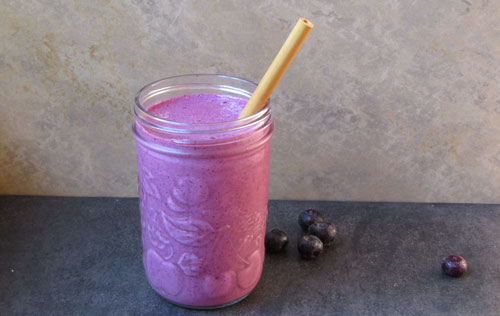
Mason jar filled with blueberry smoothie

Kefir grains are a great blessing.  They can make as much kefir as you could ever need.  Which leads to the inevitable situation where you have too much kefir and it starts to ferment too long.

This makes it extra tangy which is something not all of us appreciate. 

If you find yourself in this situation here are some options.

1. Make kefir cream cheese
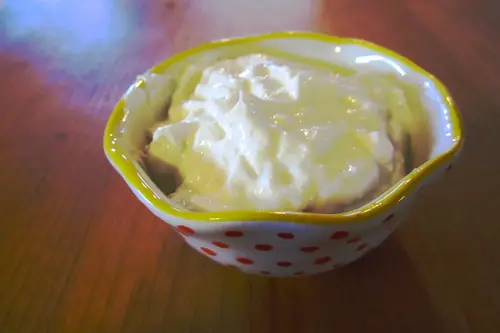
Kefir cream cheese is a tangy addition to a sandwich or can be made into a dip for vegetables or crackers.  It is full of good for you probiotics which are a different concentration then regular kefir.

Simply hang the over fermented kefir for 12-24 hours depending on how thick you like your cream cheese.  Fill a jar with the result to use for a sour cream replacement.

2. Make Hard kefir cheese
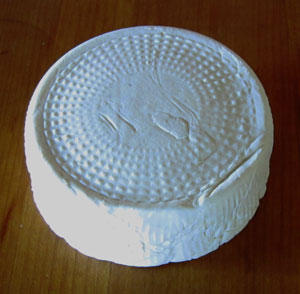
The difference between hard kefir cheese and cream cheese is the amount of whey left in the cheese.  Hard kefir cheese is great to crumble into salads, put in sandwiches or just plain.

It can be flavored using various spices or fruits which make an interesting addition to a cheese plater.

If you are using a high sugar content flavor addition consume the cheese quickly as the bacterial culture in the kefir cheese will use the flavoring as energy and continue to acidify the cheese.

This makes a highly tangy (possibly over tangy) cheese which isn’t usually the intended flavor.

3. Creamy soups

Creamy soup recipes call for a thickener of some sort.  In most recipes the thickener is gluten in some form, flour or corn starch.  Instead why not try kefir as a tangy substitute.  To do this make the soup as usual, if it is a smooth creamy soup wait to the end of the cooking time pour it into a high powered blender and add a cup or so of kefir.  Blend until it is smooth and creamy.

If the recipe calls for cream then just substitute the kefir for cream and blend.

4. Fruit leather

Fruit Rollups

This is a great way to add some probiotics to your daily snacks.  If you have a dehydrator you will have a recipe for fruit leather.  It is usually a mix of sweet fruit blended and poured onto a tray and dehydrated.  Why not add some kefir to the mix? 

Simply blend the fruit together with some kefir to taste and pour out onto the trays.  Dehydrate as usual. 

5. Use it as a starter for leavened bread

Kefir is a combination of up to 50 species of bacteria and yeasts which form a symbiotic relationship protecting the colony from intruders.  It also makes for a great starter for leavened bread.   This is due to the yeasts in the kefir. 

To use kefir as a leavening agent just mix a half a cup of kefir with flour in a jar and wait 24 hours.  Once the mix starts to bubble it can be used as a fast sourdough starter with a unique tangy flavor.

6. Frozen fruit snacks

This is similar to making fruit leather except instead of dehydrating the mix pour it into Popsicle molds and freeze.  These make a great treat on a hot summer day and they are good for you. 

7. Make this tangy turmeric-apple probiotic drink

This is one on my favorite drinks.  It combines the benefits of turmeric known for its many positive health effects and kefir which provides additional benefits through the probiotics it contains.

Just pour one cup of fresh apple juice, one cup of kefir, one tablespoon of turmeric, some freshly ground pepper and some honey to taste and blend.

If you are wondering why the pepper it is because it helps our bodies to absorb the curcumin by up to 2000%. 

8. Gluten free gravy

Another great way to add some digestibility to an old comfort food.  Instead of adding flour to thicken the gravy try adding some kefir cream cheese instead.  It imparts a tangy flavor to the gravy which adds to its appeal.

Simply pour the juices from the bottom of the roasting pan into a blender add some of the cooked vegetables like roasted onions or carrots.  Then add ½ cup of kefir cream cheese and blend until smooth.  Pour into the gravy dish and you have thickened probiotic rich gravy.

9. Pancakes

Have you ever had buttermilk pancakes?  If you have you will know that they are light and fluffy, highly risen and buttery.  The reason for this is the reaction between the acidity in the buttermilk and the baking powder when the pancakes are cooked. 

Well you get the same reaction with kefir pancakes.  The LAB have produced an acidic environment which when mixed with the flour and baking powder produce gas which cause the pancakes to rise.

10. Omelets

Omelets are a great use for over fermented kefir.  The kefir produces a light fluffy omelet which can be filled with anything from fruit to vegetables, bacon or any other filling of your choice.

Instead of adding milk to your omelet mix just add a little kefir.  It is easier to digest, full of available minerals and probiotics.

11. Salad dressing

Most salad dressing you get at a store has a wide variety of chemicals, pasteurized vinegar and thickeners.  If you make your own using kefir and some raw organic vinegar you will not only taste a big difference but you will feel it as well.

Simply mix your choice of oil with some raw vinegar like apple cider vinegar or any other type you like add some spices and top it off with a dollop of kefir.  Blend in the blender or shake until the ingredients are well mixed.

It is best to let the salad dressing sit for a while so the flavors can meld together then shake again if it has separated and dress your salad.

12. Ice cream

Kefir made into ice cream is a great way to use over fermented kefir.  It adds a tangy zing to any ice cream recipe and provides a creamy base for the ice cream. 

You can even make it without an ice cream maker using a wide topped container which allows frequent mixing.

I place ¼ the kefir in my high powered blender along with the egg yokes, vanilla and little salt and blend on high until the mix is hot.

Then I add the remaining kefir, sweetener of choice like honey and blend until the ingredients are well combined.  Then add some type of flavor like blueberries or some other type of frozen fruit and blend until the desired consistency is achieved.

 13. Tangy morning smoothie

This is a great start to your day.  It has a wide variety of probiotics, vitamins and minerals and it tastes great as well.  Just add one cup of kefir, a cup of your choice of juice and some frozen fruit into a high powered blender and blend.

Pour into a glass and drink with a straw.

14. Muffins

Kefir makes a great substitution for milk in most recipes but especially baking which uses baking powder as a leavening agent. 

This is because the kefir grains acidify the milk a little and when the baking powder is activated with a little heat in the oven the added acidity in the kefir react with the basic baking powder making more gas and therefor lighter, fluffier baking.

The key of course is to not beat the batter together but to gently mix the wet and dry ingredients together so as to not activate much gluten.

15. Chip dip

Substitute kefir cream cheese (above) for sour cream in any chip dip recipe and you will have a probiotic rich chip dip which will help to digest the usually indigestible chips.

16. Creamy salsa dip

Mix kefir sour cream with salsa in a blender and blend until smooth.  If you like it a little more spicy add some pickled jalapenos to the mix.  You can use it to dip corn chips, add to tacos, use as a spread or just eat out of the jar.

If you are really over the top with fermented foods you could use this recipe for fermented salsa instead of store bought.  It is full of probiotics and has a great tangy flavor.

17. “Fermented” guacamole

Guacamole is another condiment with a wide variety of recipes.  Here is one which adds some probiotics to the mix.  Add ¼ cup kefir to your avocados, a little lemon juice and mash until it is creamy.  Serve with corn chips or taco salad.

18. Egg salad sandwiches (or tuna, salmon or any other mayonnaise based sandwich filling)

Instead of sour cream use kefir cream cheese (above) for moistening the filling.  This will add additional probiotics as well as help digest the carbohydrate in the sandwich making it easier to digest.

19. Almond nut waffles

If you are grain free then these waffles are a great addition to your grain free baking repertoire.  They replicate fluffy buttermilk waffles in texture and appearance but are a power packed injection of protein which will keep you going all day.

They are also great for making sandwiches for lunch. You can also make extra and freeze them for later. Then when you want one just put it in the toaster.

20. Sweetened kefir fruit topping

Just thicken the kefir a little by hanging it for an hour or so.  Add your choice of sweetener to taste.  Mix well and serve on top of pancakes, fruit or the above waffles for a hearty breakfast.

21. Tangy granola

Most granola you can buy at the store is full of sugar.  It will have sweetened fruit, added sugar, fructose or the dreaded high fructose corn syrup.  It is then heated beyond appropriate temperatures to assure shelf stability.

This recipe is made with dehydrated fruit, nuts and seeds.  Sweetened with dates, honey or coconut sugar. 

Because you toast some of the nuts before mixing them with the other ingredients the granola does not need to be baked but instead it is dehydrated for a few days to remove as much water from the mix as possible before packaging it.

The addition of kefir makes it a tangy healthy breakfast with the added bonus of the kefir culture which adds probiotics to the granola.

22. Energy balls

These are like granola without the effort of dehydrating the mix.  Use dried fruits like apricots, raisons or dates to sweeten the mix and make it sticky.  Add enough kefir to make them moldable into balls and keep them in the fridge if you are going to eat them quickly or the freezer if you only eat one occasionally. 

Instead of eating something which masquerades as health food why not try this tangy granola made with dehydrated fruit, nuts and seeds.  Sweetened with honey or any other healthy sweetener and made tangy with the addition of kefir.

Use a dehydrator to dry the granola enough to prevent any bacteria from spoiling the granola.

23. Cheese cake

Another twist on a classic dessert.  Kefir cheesecake!  

This recipe replaces the cream cheese with kefir in this unbaked cheese cake recipe cream cheese.  The result is a slightly tangy dessert which is not only flavorful but full of probiotics, vitamins and minerals. 

And if you use a crust made from the kefir granola you would have used even more over-fermented kefir.  Just add some granola to a food processer with a little coconut oil or butter added.  Process until it is a granular consistency and press into a pie plate. 

Refrigerate before adding the filling.

As you can see kefir has a lot of uses other than mixing it with a little fruit and eating it with a spoon, or drinking it with breakfast.  In fact if you try some of these recipes you may find you need more kefir then you have right now just to keep up with the demand for it.

That’s okay because if you make kefir with kefir grains you can always increase production by

  • Feeding your grains more milk than usual 
  • Split the grains into two jars and increase production by two  
  • Developing a system of constant kefir production

But be careful as the more kefir you make the more kefir grains you will have and you may end up with too many kefir grains.  Which is a problem of its own.
Ten ways fermentation can improve your immunity


Fermentation is a useful method of changing normal foodstuffs into flavor sensations.  They take milk and produce cheese, grapes and make wine and vegetables and make pickles, sauerkraut, chutney and all sorts of delectable things. 

But they also produce some of the most valuable immune system boosters in the world.

Exactly how and why this happens is not fully understood and probably will never be (since there is no money in letting chopped cabbage and salt ferment on the counter) but that shouldn’t stop you from enjoying the effects of consuming a variety of fermented foods. 

1. Improves the immune system response to viral infections

In this time of global travel and freedom we are exposed to a wide variety of viruses which have never been seen before.  How often do you catch something while you travel?  Whether it be a viral infection or some bacterial disease which your immune system has never seen before.

In the past a particularly virulent virus may have affected a specific population but because transportation was not readily available, was expensive and not particularly fast the virus would be limited in its effect.

Today that is not the case.  We now have to protect ourselves from a wide variety of viral infections and the medical industry cannot keep up. 

Our best defense is a strong immunity which can deal with whatever attacks it has against it.

Fermentations which are made from lactic acid bacteria (LAB) have anti-viral effects which not only reduce your risk of catching a viral disease but they also shorten the time of sickness.   Even heat treated probiotics have a protective effect on preventing influenza and other respiratory diseases caused by viral infections.

Probiotics in yogurt have a wide range effect on viral infections including the common cold, respiratory infections and gastrointestinal infections.

2. Lactic acid bacteria stimulates the immune system

The first line of defense you have is the mucus lining which coats everything in the digestive system.  It lines your nasal passages, throat, stomach and both the small and large intestine.  When a foreign object enters your body it gets trapped in the mucus and is swept towards the stomach which has a high level of acidity.  This destroys most pathogenic bacteria much like the acidic environment which LAB produce inhibits the growth of similar bacterial cultures.

LAB used to produce yogurt have been shown to help protect the mucus lining on the intestinal tract by stimulating immune cells which are present on the surface of the intestine.  The great part about this is that the LAB don’t even need to be alive to stimulate the immune function  (which means that it is irrelevant whether or not they survive the stomach or not).

The small intestines layer of mucus is designed to let your intestine absorb nutrients and energy which are important to maintaining your body.  This makes it possible for bacteria to transfer through the intestine wall into the bloodstream. 

When LAB take up space on the intestine wall they effectively block the pathogenic bacteria from having access to these locations.  They also produce an acidic environment which makes it difficult for the pathogenic bacteria to survive(1).

3. Probiotics inhibit the growth of parasites

Just as the acidic environment LAB produce inhibits the growth of disease causing bacteria it also slows the growth of parasites.  It has been discovered that most parasites prefer a basic environment and grow best in such an environment.  LAB produce an acidic environment which slows the growth of pathogens(2).

Probiotics also compete for vital nutrients which the pathogens also need such as iron.  This competition reduces the amount of iron available to the pathogens and therefor reduces their numbers.

Certain probiotics also aid iron absorption so it can be a double benefit, reduce the number of pathogens in your gut and increase the absorption of iron.

Probiotics can also help to reduce the burden of parasites which transfer from animals to humans and back.  These types of parasites are hard to control and are widespread throughout the world.  Besides consuming needed nutrients and acting as a blockade against these organisms they also stimulate the immune system against such infections.

4. Probiotics effect on pathogenic bacteria

Probiotic bacteria have protection mechanisms of their own which provides them with defense outside of the body.  One of these is the production of antibiotics which kill or inhibit other bacterial cultures.  This reduces the population of pathogenic bacteria outside the body as well as inside. 

All life requires energy and the limiting factor of any population is the amount of available food sources. Probiotics consume the energy which other bacterial cultures would use and therefore limit their growth

Probiotics are effective at improving the health of the biofilm which protects the gut. This prevents infection and inflamation caused by pathogenic bacteria colonies from taking hold and causing cronic disease.

5. Fermented foods provide additional vitamins

Vitamins are vital to good health.  They perform a wide range of activities in the body from energy absorption to bone building.  Without enough vitamins your body will begin to break down.  It is like the oil in a car’s engine, once it starts getting low the engine wears faster and without additional oil it will seize up and not run. 

Fermentations can add vitamins to food where they did not exist before.  Some yogurt and Tempeh cultures have the ability to produce riboflavin a necessary B vitamin. 

Sourdough bread made with wheat can have additional riboflavin due to the fermentation process. 

Not only does fermentation produce additional vitamins but it also breaks down the cell walls of the food you eat.  This makes the vitamins which are naturally present in the food more available to your body(3).

6. Fermented foods have antioxidant effects

Free radicals can have a devastating effect on your health.  Although they are needed to perform important reactions within the body if there are too many of them they can cause severe health issues.  They are known to increase the risk of cancer, cardiovascular disease and neurodegenerative disorders. 

Fermented foods provide natural antioxidants which act to reduce the amount of free radicals in the body.  

On top of that they provide a more bioavailable source of minerals and nutrients which also help to reduce the number of free radicals which are produced.

Milk fermentations, legumes and grains as well as vegetable ferments all have more antioxidant components then there unfermented counterparts.  This is because the bacterial cultures which cause the fermentation use some of the available carbohydrates breaking them down into more simple sugars essentially pre-digesting the food for you.

7. Fermentation makes minerals more available and absorbable

We discussed the iron requirement for pathogens above and how probiotics absorb iron in the gut making it unavailable to the pathogens but if they make the iron unavailable does it not also prevent the absorption of iron?

Actually fermented vegetables using LAB increase the absorption of iron.  It is believed to be because of the production of Fe3+ which is easier to absorb through the small intestine then other forms of iron.  Since the individual bacteria do not live for long periods of time there bodies are digested just like any other food source in the digestive system and any minerals which were bound in their makeup can be used by your body. 

Fermentation also breaks down cell walls of food sources you consume making the vitamins and minerals more bioavailable.  This does not increase the minerals in a food it just makes it more available.

8. Fermentation adds natural enzymes which help digestion

Enzymes help to break down the food you eat into smaller and smaller pieces.  Once they are of sufficient size your body can use it for energy and body maintenance.  Your body has a wide variety of enzymes which start this from the moment your food enters your mouth.  

But how great is it to start breaking it down before it enters your mouth.  This is important with foods such as grains and legumes which have anti-nutrients which protect the grain or bean from damage while it waits to sprout. 

Fermentation helps to remove these anti-nutrients prior to consumption.  Which makes them easier to digest and helps you get the most out of your food.

Kefir has a large number of peptides which are the basic building blocks of proteins.

9. Lactic acid bacteria improves heart health

Cardiovascular disease is still the top killer in North America.  It not only kills a high number of people but of the survivors it has a negative effect on their lives.

One of the main indicators that the cardiovascular system is in distress is high cholesterol levels.  This causes plaque to build up on the artery walls leading to hardening of the arteries.

LAB found in yogurt, kefir and other dairy products can reduce the amount of cholesterol in the blood drastically.  Not only do they reduce the amount of cholesterol in the dairy product itself but they also reduce the amount within your body. 

They do this because they have a high survival rate through the stomach and continue to multiply once they are in the small intestine. 

Once in the small intestine they acidify its environment further reducing the amount of cholesterol and making the environment less habitable to pathogenic organisms which like a more basic environment.

LAB also play a part in several other heart protecting mechanisms.  They help improve the gut-brain-axis which not only improves the communication with other organs (including the heart) but also stimulates BDNF which increases the number of new neurons which are produced in the brain and help their survivability. 

LAB are also valuable in protecting your mouth from pathogens.  They play an important role in converting toxins into usable or less toxic chemicals before they enter your body.  Which improves the health of your mouth which is another factor in heart health.

10. Fermentation reduces cancer risk

Cancer is one of the most dreaded diseases in the world.  It is associated with pain and suffering.  Visions of surgical procedures and medical interventions fuel the fear of this condition. 

Well, why not do something about it rather than just live in fear?

Try increasing your consumption of fermented dairy products.

Fermented dairy products have been shown to reduce the risk of getting bladder, colorectal and esophagus cancers.  These are mostly associated with the consumption of yogurt and cheese, two of the most popular dairy products

There is controversy when it comes to the use of fermented vegetables using salt in the occurrence of esophageal cancer.  Most of which are studies of populations which cannot be taken as proof.

Population studies have a large number of variables which cannot be taken into account such as environmental conditions, cultural traditions and genetic susceptibility to disease. 

Some fermentations which are consumed are made using high salt concentrations since salt is a factor in esophageal cancer it is wise to ferment your own vegetables with a minimum of salt and eat your fermentations with a meal which helps to minimize the effect of the salt on the throat.

Your goal should be to reduce inflammation throughout your body.  This includes the gastro intestinal system, cardiovascular system and the immune system. 

Go do something about it

Fermentation provides a wide variety of probiotics which have positive health effects.  They provide an environment which is conducive to protecting you from pathogens and since the environment which these beneficial bacteria is similar to that of our digestive system they work symbiotically with us. 

By increasing the number of probiotics in your gut you can help to maintain a healthy environment within you, reducing the number of pathogens, improving the absorption of valuable nutrients and stimulating your immune system to fight disease. 

With all these benefits why not try fermenting some of your own.  It is easy, creative and fun.  All you need for most beginner vegetable ferments is a jar with a lid, a knife, some kind of salt and a vegetable which to ferment.

Start with sauerkraut, pickled root vegetables or make a simple vegetable kvass.

If you prefer get some kefir grains and make milk kefir or get a yogurt starter and make your own yogurt.

You can even make your own kombucha soda which is high in LAB and has a variety of health benefits.

Not only will fermentation provide variety to your diet they will improve your health in a variety of ways.

23 Reasons to Eat Sauerkraut


Sauerkraut

As if you need more reasons to eat sauerkraut besides the flavor and crunchy texture it adds to recipes like a Ruben sandwich or sausages and sauerkraut here are 22 additional reasons to eat sauerkraut on a regular basis.

This list has one caveat.  The sauerkraut must be naturally fermented.  It must have living lactic acid bacteria (LAB) in it to reap many of the following benefits.  This is because it is the LAB which produces a digestible good for you sauerkraut.

The industrially produced vinegar soaked version which is available in the grocery store isle do not benefit you nearly as much as the type you can make yourself or get in the refrigerated section of the grocery store.

1. Contains potassium

Potassium is an essential mineral your body needs to maintain good health.  Its list of benefits are impressive

Potassium is a vital mineral for maintaining your electrical system which our nervous system relies on to operate. 

2. Is versatile

Sauerkraut is used in sandwiches, pasta dishes, in salads, eaten plain.  With a simple web search you will find hundreds of traditional ways to use sauerkraut.  I even found one which uses it to make chocolate cake! 

To get the most out of this probiotic rich food serve it fresh with a minimum of cooking but anyway you use it sauerkraut will give you a health boost.

3. Can be made a variety of ways

It can be made out of any type of cabbage you have on hand, green, purple, even savoy makes a nice sauerkraut.  All of which have a different flavor, texture and nutrient content and along with that comes a variety of probiotic bacteria which helps keep the gut in good health.

You can add any spices, additional vegetables and use a variety of salts like sea salt, Himalayan pink, course ground even normal table salt will do in a pinch.

4. Contains folate

Folate is one of the B complex vitamins which we find difficult to get.  It is used to maintain and produce new cells as well as protecting your DNA.  Damage to your DNA increases your risk of cancer and other debilitating diseases.  A one cup serving of sauerkraut contains 9% of your daily RDA. 

5. Source of Vitamin C

Vitamin C is a vital vitamin to maintain a healthy lifestyle. It is used to help repair and grow body tissues, form collagen, and is a key vitamin in supporting your bones and teeth.

It was the vitamin which the sailors lacked on long sea voyages which lead to scurvy.  It was found that if each sailor ate some sauerkraut everyday this dreaded condition was avoided.

Sauerkraut is high in vitamin C and one serving contains 35% of your RDI.  With the added benefit that it is a natural source which contains all the needed micro-nutrients which help its absorption.

6. Contains magnesium

Magnesium is needed by many body processes from bone building to cardiovascular health magnesium is used throughout the body.  It helps those who are suffering from depression, type 2 diabetes and can even improve athletic performance. 

7. Has probiotics

The benefits of probiotics are too numerous to write in a blog post but basically they help to maintain a balanced intestinal flora which can promote health.  Having a wide variety of probiotics in your food helps to keep the pathogenic bacteria at bay. 

Naturally fermented sauerkraut is packed with a wide variety of LAB which are valuable in maintaining a proper PH in your gut.  This helps you to digest and use more of the food you eat and helps to use some of the sugars which would otherwise feed unwanted organisms which are present in your system.

8. Has vitamin K2

This vitamin is important for the preservation and maintenance of your bones.  You cannot produce it yourself but the LAB in sauerkraut can.  Eating some sauerkraut every day not only provides you with some K2 but it also contains the living probiotics which continue to produce it as it passes through your digestive track.

9. Reduces the risk of cancer

Sauerkraut has sulfur in it which is a recommended compound for cancer prevention.  It is the sulfur in the sauerkraut which gives it its strong smell and particular taste.  It also contains dithiothiones which have similar effect on your body. 

It also helps to reduce inflammation due to its probiotic content which have a positive effect on intestinal balance.  This also has positive effects on cancer risk.

10. Reduces risk of heart disease

Heart disease is the cause of one in four deaths in North America.  This is due to the poor diet of the typical North American.  To avoid this disease eat more sauerkraut.  It helps to reduce inflammation and the deposit of arterial plaque which lead to hardening on the arteries.

11. Reduces anxiety

Again this is due to the probiotic content of sauerkraut.  The probiotics have a positive effect on the gut and help to maintain a healthy environment. 

The gut is said to be the second brain containing a dense concentration of nerve endings.  These nerve endings are connected to the brain through the gut brain axis communicating with the brain how the body is doing. 

When the gut is happy the brain has a much easier time maintaining an even emotional keel.  Sauerkraut also helps in the digestion of sugars.  Sugars are a necessary component of the diet but the refined white sugar which is ever present in our diets can cause health problems within the gut. 

12. Supports digestive track

This is due to a number of reasons.

  • It contains probiotics which help to maintain good bacterial flora in your gut
  • It lowers the PH in the gut which makes it difficult for the pathogenic bacteria to proliferate
  • It provides fiber which helps to remove unwanted toxins in your system

This benefit is not always noticed when you first start eating sauerkraut, especially if you overdo it in the beginning.  The effects of it are sometimes uncomfortable as it tends to stir things up causing discomfort caused by gas and bloating.  To alleviate this start with a little sauerkraut and build up as your tolerance improves.

13. Helps maintain healthy weight

Not only is sauerkraut low in calories but it has the unique ability to make you feel full faster with less food.  This is due to one of the probiotics which is present in traditionally fermented sauerkraut which activates a hormone which makes you feel full. 

This reaction helps you to eat less when sauerkraut is eaten with the meal. Helpings you to lose those extra pounds.

14. Protects from parasites

Sauerkraut contains a variety of probiotics one of which is acidophilus which produces an acidic environment in the gut which destroys the parasites and produces an environment which in not conducive to them.  

In the same manner it helps to keep candida in check as candida needs a basic environment to flourish.

15. Food preservation

When you walk down the isle of the grocery store you see the result of modern food preservation.  There are rows of canned goods, chemically and mechanically preserved dry goods and finally pasteurized drinks which need to be fortified with vitamins to have any value at all.

Naturally fermented sauerkraut does not have all these drawbacks as it is fermented by the addition of salt and time.  The vitamins in it are not destroyed by heat or chemical reactions. It does not contain preservatives which are designed to kill off bacteria and yeast which are not healthy ingredients for us either.  

16. Provides absorbable nutrients

Nutrients are necessary for life and your body is really good at getting nutrients out of any food you eat. Even though you may not eat the most nutrient dense, high quality food your body has been designed to get the most out of everything.

But that doesn’t mean that you should abuse this strength.  If you want to have a strong, healthy, disease free body you can’t feed it low quality food. 

Sauerkraut is packed full of nutrients which make it one of the best foods you can have.  It contains vitamins, minerals and carbohydrates.  All of which are easily absorbable because the LAB have broken down the hard to digest carbohydrates and made the minerals much more bio-available.

It also preserves vitamins like vitamin C and produces some B vitamins which may not have been present in the cabbage prior to fermentation.

17. May help reduce risk of Alzheimer’s

The health of the gut is linked with the health of the brain

Probiotics help maintain the numbers of free radicals in your body.  Free radicals can cause oxidative stress which causes damage to the cells affected.  As the brain is highly dependent on oxygen it is esspesially suseptable the this type of damage.  As cells are damaged the memory is effected, plaque builds up which is one of the indicatons of Alzheimer’s disesase.

Since sauerkraut has a large number of probiotics from the LAB family they are particularly well suited to prevent inflammation in the body.

It has been shown that the addition of probiotics, which sauerkraut is full of, improves the gut brain communication and helps to improve memory.

18. Improve skin

Eat more sauerkraut as it will improve your skin.  Not advice you hear everyday! 

But it is true.  Eating sauerkraut improves your skin through several paths. 

  • It reduces inflammation which in turn reduces the amount of toxins which your body needs to deal with.  Since one of the ways your body cleanses itself is through the skin with the reduction of toxins the skin naturally improves.
  • Sauerkraut is high in skin improving vitamins like vitamin C
  • Sauerkraut helps to keep the gut healthy by displacing unfriendly bacteria which cause stress on the immune system.  With less work to do the immune system can attend to other bacterial invasions such as acne.

19. Has lots of digestive enzymes

When you eat something saliva is mixed in with the food and immediately starts to break the food down into smaller parts. 

Probiotics use enzymes to break down their food into usable compounds just like your body does and the great thing about this is that they make more of the food you consume available to you in the process. 

20. High amounts of LAB

Lactic acid bacteria are a valuable probiotic which we get in several foods which we eat.  They are present on all types of fruits and vegetables but the numbers of them is low in comparison to fermented vegetables. 

This is because when we ferment the food we place it in an environment which promotes the growth of the LAB and inhibits spoilage bacteria.  This gives the LAB a chance to multiply greatly and produce for us pickles, sauerkraut, kimchi and many other delicacies.

Sauerkraut has been tested to have 9.0 X 10^5 CFU/ml. to trillions of CFU/ml depending on the study.  So unless you are looking for a specific type of probiotic sauerkraut is the cheapest way to increase your probiotic consumption.

21. Contains acetylcholine

Acetylcholine is a neurotransmitter which is involved in muscle contraction.  This means that you need acetylcholine in order for you to be able to walk, talk and move in any way.  It is needed for your heart to beat and your digestion to move. 

22. Improves blood sugar balance

Today our diets are influenced by several factors which are previously unknown.  In the past we would have to eat what was available in season or what was preserved from the harvest.  Today most of our food comes from the grocery store which makes its profit on high glycemic chemically preserved foods. 

This causes havoc with our glycemic levels stressing our pancreas to maintain an even blood sugar level. 

Sauerkraut is one food which helps your body to lower high blood sugar levels.  It has been found that cabbage extract can lower the fasting blood sugar levels substantially.

23. Easy to digest

This may sound counter intuitive as it seems difficult to digest cabbage and frequently leads to gas and bloating.  Sauerkraut on the other hand has been partially digested by the helpful probiotics which produce some of the valuable vitamins which are found in it.  They are also responsible for liberating some of the other vitamins and minerals found in cabbage but are hard for your system to absorb.

Okay if you get to here in this post I will assume you are convinced that sauerkraut is a valuable addition to your diet.  Full of probiotics, vitamins and minerals.  On top of that it tastes good in a variety of ways.

So it is time to do something about it.  Get up and go ferment some cabbage.  It is easy and healthy. 

If you need a recipe there are thousands of them online, including this one which is the most basic recipe containing only cabbage and salt.

Eleven Reasons to Eat Live Probiotic Foods


We live in a world obsessed with destroying bacteria.  Since we discovered that sicknesses can be caused by bacterial infections we as a society have been on a rampage to destroy all bacteria in our environment. 

We take antibiotics, feed our livestock antibiotics, wash our hands with antibacterial soap, wipe with antibacterial wipes and sanitize our kitchens and bathrooms with toxic chemicals to ensure we destroy any bacteria on any surface. 

This has led to problems like super-bugs, chemical sensitivity and environmental damage of colossal extent.

Sure hand sanitizers kill 99% of the germs on our skin but not all 99% are bad, of the 1% remaining are the ones which are resistant to the hand sanitizer.  They live to reproduce and subsequent generations are more resistant and have an open field to grow with abandon.  This does not lead to long term health. 

Instead of trying to kill everything off we should promote the bacteria which are good for us and let them duke it out with the unhealthy bacteria.  This has how we have done it since our creation and seems to have served us well so far.

Chemical sensitivity is now becoming an epidemic.  Most public locations in North America are requesting patrons to be scent free so as not to bother those who cannot be in an environment which has chemical smells.  This is due to the overuse of chemicals in our environment. 

We have chemicals which clean, deodorize, sanitize and just smell good.  All these chemicals are not natural and cause our immune systems to react.  This can cause inflammation and allergic reactions if the inflammation gets to out of control.

Our food is produced by the use of vast amounts of toxic chemicals.  The land which it is grown is sprayed with herbicide before, during and finally just before it is harvested. 

It is also fertilized with chemically produced fertilizer which boosts yield but does not improve the mineral content of the food.  This is because farmers are paid by how the product looks and how much they can produce.  It has nothing to do with how much food value there is in it.

All this spraying not only ends up in our food, and therefor in our bodies, but they also end up in our lakes, rivers and oceans.  They change the environment by polluting, killing and stressing our natural habitats which we rely on to keep us healthy. 

Fermentation on the other hand is a healthy and valuable practice which not only supports your health but also helps the environment around you.

We pasteurize almost all food we eat

It seems our reaction to the knowledge that bacteria can cause sickness is to try to destroy all bacteria in our environment.  One of the main ways we do this is through pasteurization.   By heating our food up we destroy most or all of the living bacteria found in our food.  The problem with this is that heat is indiscriminate, it destroys the good with the bad and in the process it also destroys vitamins and enzymes which are healthful to our bodies.

Fermentation is the opposite of that.  Instead of trying to kill all living things in our food and in that effort destroying enzymes, vitamins and good for you bacteria (probiotics), fermentation encourages the good and benign bacteria to grow.  This process destroys the unwanted bacteria through altering the environment and making it inhospitable for them to flourish. 

We have focused too long on the small amount of bad bacteria and not at all on the good.  It is time we concentrate on maximizing our consumption of life giving food rather than minimizing the bad.

Fermentation is energy efficient

Other methods of food preservation take large amounts of energy. 

Canning takes energy to cook the food and then to sterilize it by placing it in boiling water for a period of time.  The time required to ensure safety depends on the type of food being preserved.

Pasteurization again requires heating the food up enough, for long enough, to effectively destroy the bad for us bacteria (also along the way destroying the good for us bacteria). 

We also dehydrate some foods to preserve them.  Again heating it up to drive out the moisture.  Since bacteria (both good and bad) require moisture to propagate the food remains edible. 

Notice that each method above requires heat.  That heat is produced through the use of electricity.  That electricity is produced through burning of fossil fuels, damming our rivers and flooding vast tracks of land or through nuclear power.

Fermentation on the other hand preserves our food without the need for outside energy.     

There is no boiling, canning, dehydrating.  The acidification is natural and stops way before no living thing can survive and the only “chemical” used is salt and in some cases not even that. 

It is safer then canning

The process of canning involves raising the temperature of the food in the can high enough for long enough to kill all the pathogenic bacteria found in the food.  There are two problems with this plan.

  • This process kills off all the good bacteria and destroys most vitamins and enzymes found in the food.
  • If it is not done properly spores of harmful organisms can be left behind to have free run of the foodstuff.  This is how botulism produces enough toxic waste to kill.
  • Chemicals from the cans leach into the food, especially if the can becomes dented or damaged.

Fermentation does not involve the destruction of life but rather the promotion of it.  It provides an environment for beneficial bacteria to grow.  The presence of several strains of probiotic bacteria produce an environment which is not conducive to the growth of pathogenic bacteria.  This naturally produces a product which is safe to consume and is also good for you. 

Does not contain chemical preservatives

The worst method of food preservation I can imagine is the chemically preserved foods which are sold at grocery stores.  Some of them are presented as healthy breakfast foods like cereals which are heat treated, crushed, puffed and chemically treated and provide no real food value.  Once they are made “shelf stable” artificial vitamins are added to provide some advertising clout to the claim of a healthy start of your day.  Let me give you a hint, if the box can stay on the shelf for over a year without having to do anything special to it there is no food value in it.

Fermentation on the other hand does not require chemicals other than salt to preserve our food.  It relies on us to encourage an environment which is conducive for the growth of probiotic bacteria in the food and an environment which is inhospitable for pathogenic bacteria to survive.  Most of the time this means adding some salt, keeping the oxygen out, controlling the humidity and other similar actions. 

Improves gut health

By focusing on probiotic foods you can be sure to provide your gut with a wide variety of living probiotics which will improve your health.  Since each type of fermented food provides a different set of probiotics it is good to eat a variety of them.  Yogurt has different probiotics then kefir even though they are similar.  Yogurt can also be made using a variety of bacterial cultures. 

Most probiotics are transient.  This means that they are not permanent residents of your gut but rather travel along the entire length of your digestive system.  This has two effects:

  • The probiotics help to provide an environment which is not conducive to the growth of pathogenic bacteria throughout your gut.  
  • The benefits of probiotic foods dissipates with time therefore you should eat them on a regular basis to keep them topped up.

There are an unlimited collection of fermented foods from every culture in the world and each of them has a unique probiotic profile.  Although the main probiotic strains are the same, the makeup of the community of probiotics changes with time and environment.  For example, sourdough made in New York is different than sourdough made in Alaska.  This is because the environments which the sourdough live have different ambient bacteria. 

Boosts the immune system against viral infections

It seems obvious that eating probiotic foods would help in fighting bacterial infections as the probiotics in fermented foods are active bacteria which consume the same food, live in the same location and produce an environment not conducive to the growth of pathogenic bacterial strains. 

But they also boost the immune systems response to viral infections, including conavarius viruses.  The range of viruses they are effective against is unlimited as they are not specific to one virus strain like vaccinations are (this is why the flu shot needs be taken yearly to have any effect).  Instead they help the immune system response, improving how your system naturally take care of viruses. 

Both respiratory and gastrointestinal diseases have been studied and probiotics especially lactic acid bacteria have positive effects on the immune response against influenza and polio, improving the number of killer cells in children given the polio vaccine.

Prolongs vitamin shelf life

Fermentation preserves the food value in the original food and often produces additional vitamins like B12, folic acid, vitamin D, K2 and K which are vital to human health.  It also prolongs the life of the vitamin C.

This was how Captain Cook managed to beat scurvy on his boats.  His fermentation of choice was sauerkraut and took barrels of it with him on his around the world trip.

Breaks down hard to digest foods

Sourdough bread is easier to digest then store bought bread because the sourdough culture breaks down some of the hard to digest elements in the flour.  In short it predigests the bread for us making more of the food value and energy available to us. 

Olives need to be brined to reduce their bitterness before they are edible, yogurt culture breaks down the lactose in milk making it more digestible for those who are lactose intolerant, and sourdough starter helps to break down the indigestible parts of the flour making home-made sourdough bread more digestible then store bought.

This is because store bought bread is made for profit.  It is produced as fast as possible with the cheapest of ingredients in order to turn the highest profit for the bakery.  This means that the dough is “conditioned” with chemicals, proofed only long enough to produce a fluffy consistency and baked long enough to form the right looking loaf of bread. 

If there are more than five ingredients on the ingredient listing or if even one of those ingredients is unpronounceable don’t buy it.

This doesn’t seem like a benefit until you have a pantry full of canned preserves which are still perfectly “good” even though they have been in the pantry for at least 4 years.

Every time you go to through them you remember the time and energy which went into the canning process and the plans you had for them when you put them up.  They somehow end up back on the shelf taking up space even though you know they are never going to be eaten.

Fermented food is different.  It has a shelf life.  When stored in the correct temperature fermented food will last a long time.  The difference is that it does have an expiry date.  It will one day no longer be eatable.  One day you will open a container of sauerkraut and it will have a funky smell, the contents will have become mushy and you will not want to eat it.  It can now legitimately be thrown out.  It will no longer take up space in the cellar and you will not have to feel guilty about not eating it.

Fermented food is constantly changing

This is due to the nature of the living organisms in the ferment.  They need energy to survive so they consume the sugars in the food.  As the different sugars are consumed different organisms thrive. 

For example yeasts like simple sugars like fructose (the sugar which makes fruit sweet) and will readily ferment grapes into wine, apples into cider and pears into Peary but once the main amount of sugar is reduced the liquid must be kept in an oxygen free environment because otherwise the LAB will start to convert the alcohol into vinegar. 

Some ferments improve with age like wine and some cheese but they all continue to change.  Some flavors are enhanced and some are mellowed.   This effect provides interest in consuming fermented foods.  Taking note of the flavors of a young ferment like sauerkraut or garlic then tasting it again after a month or so will reveal the differences time makes.  Young sauerkraut is tangy and has a nice crunch.  Sauerkraut which has been fermented for a while becomes highly acidic as the LAB continue to produce lactic acid.  This preserves the sauerkraut but can get overpowering. 

This adds interest to your fermenting.  It provides another level of control and knowledge which can be used to produce fermentations which are suited to your individual tastes and needs.

For example if you are lactose intolerant and you still want to eat yogurt then if you make your own yogurt and let it ferment longer than the 8-12 hours suggested the resulting yogurt will have less lactose and other hard to digest compounds in it.  If it is fermented 24 hours most of the lactose will be gone but as a result the yogurt will become much tangier.

They taste great

Fermentation is a great flavor enhancer.  It adds flavors which cannot be duplicated in any other way. 

Sure pickles can be made with white vinegar but there is no comparison to the flavors of a brined pickle fermented at the correct temperature to the vinegar soaked cooked counterpart.

Umami cannot be duplicated with chemical processes and who would want to drink a wine which did not include the fermentation of the grapes?

The variety of flavors is infinite.  Cheese is a great example as demonstrated by the Monty-python cheese shop skit where the patron lists off at least a hundred different types of cheese (all of which the shop owner does not have).

So go ahead and ferment something

Don’t just sit there. Ferment something. you have lots of options like fermented salsa, kefir, yogurt or sauerkraut.

Try making kombucha or kvass which are great for imporving digestion and warding off any infections which may be lingering around.

8 Reasons to start Fermenting


Why Ferment?

Fermentation has been around as long as civilization.  Cultures of yeasts in high quantities have been found in ceremonial bowls, pottery and on stirring sticks from prehistoric times and it seems each culture has a history of fermentation of some sort. 

The question is, why should we ferment in today’s world of high tech? 

Food storage is not a problem.  

We can buy anything we want online and have it shipped to our door. 

We can even eat things which in the past had to be fermented to achieve the desired flavors but now they seem to taste the same without all those nasty micro-organisms floating about. 

  1. Taste

Fermentation changes the flavor of everything. 

  • A sweet carrot made into pickled carrots loses its sweetness and becomes sour. 
  • The sugar in grapes is converted to alcohol and becomes more astringent. 
  • Milk is fermented into kefir, yogurt, and a variety of cheeses.
  • Soya beans can be made into a wide variety of foodstuffs through fermentation each of which has a unique taste profile.  They range from miso, Tampa, soya sauce and natto.

Then there are pickles which can be made a number of ways from brining to pickling in rice bran.  There are books written on the humble pickle which has traditionally been made using fermentation. 

Not a fan of fermentation?

Well then you will have to give up leavened breads, tabasco sauce, yogurt, any cheese and all wines or beer. 

Fermentation has been used to transform foods from humdrum to flavor sensations for centuries.

Healthy preservation

Fermentation is the safest and most energy saving method of food preservation there is.  There is no boiling in water, one time use lids, special additives or other costly equipment.

The food is usually not cooked. This preserves the vitamins, enzymes and produces an environment which naturally prevents spoilage.

Other methods of food preservation require a high level of care to ensure all living things in the preserve are killed to prevent spoilage.  This means cooking, boiling and/or the addition of preservation ingredients (the most benign being sugar) during the process of canning.  

Improper methods of canning can lead to sickness and even death.  If the can is not processed properly you could kill off everything but the spores which cause botulism.  Clostridium botulinum, the bacterium which causes botulism, is commonly found in soil and untreated water.  The reason it does not normally cause sickness is due to the competing bacteria. 

The problem is when there are no other competitors they take over and produce a toxin which in high enough concentrations can cause sickness and death.

During fermentation we encourage the good for your bacteria to grow.  It might produce an alcoholic ferment, a tangy lactic acid ferment or an umami ferment depending on the environment we place it in and the food being fermented. 

The difference is with fermentation we promote good for you probiotics.

When you place the food in an environment which promotes the growth of healthy bacteria and yeasts the result is a product which maintains its vitamins and usually produces more, some of which we cannot produce ourselves like vitamin B12.  Enzymes are also preserved and again new ones are produced through the action of the probiotics which preserve the food.

Today we have access to methods of food preservation which were unavailable in the past.  We can freeze things in the summer, cool things in the winter and have fresh fruit and vegetables delivered to us from all over the world. 

This is true but did you know the main cause of foodborne illness comes from fresh vegetables? 

Since our food comes from all over the world, lettuce from California and strawberries from Peru we do not know how it was grown, harvested, packaged or stored.  This has caused the degradation of our food supply. 

We can only get maybe three types of tomatoes in the grocery store and all of them have the same bland taste.   This is despite the fact that there are thousands of tomato strains which have been developed for all sorts of situations.  This is because these few tomato strains look good to the buyer and taste good to the eater.

Apples, lettuce, onions and garlic are all the same.  In fact the list is as long as the choices at the store. 

Convert inedible foods to edible foods

Fermentation can transform inedible foods into delicious edible ones.  Olives are not edible until they are brined for a month or so.  The brining (a method of fermentation) reduces the bitter components in an olive. 

Those who are lactose intolerant are better able to eat fermented milk products like yogurt and kefir since the culture which makes them uses lactose for energy, naturally reducing the amount of lactose in the milk.

Phytic acid binds with zinc and iron making it unavailable to our digestion.  Fermentation reduces the phytates in grains and beans making them easier to digest and making the zinc and iron available. 

All types of leavened bread rise because of the yeast acting on the sugars available to it in the dough.  This makes carbon dioxide, causing the bread to rise.  Leavening was originally accomplished through the use of sourdough starter. 

The sourdough starter is basically water and flour mixed together and left to ferment.  The natural yeasts in the air and on the flour grow and multiply until it starts to bubble.

The other method is to use packaged yeast.  This yeast was first produced by skimming the foam off the top of beer fermentation vats and dehydrating them. 

Both methods use fermentation to cause the bread to rise.  Each with their own flavor profile.

Added probiotics

We all hear that probiotics are good for you.  Health stores promote powders, fermented milks and various other sources of probiotics.  Store bought cultures typically have a specific bacterial culture profile which makes the product consistent.  This is important for the store as it makes the product more salable. 

While probiotic powders have their benefits they are lacking in the natural nutrients needed to get the most out of them.  Traditionally fermented foods supply the probiotics as well as the food which the probiotics grow in.  This helps them to survive the stomach acid and make it to the small intestine where they have the most beneficial effect.

Fermentation is an easy way to increase your probiotic intake cheaply and with the highest degree of variety. 

Shelf stable food products like pickles and sauerkraut do not have probiotics in them.  This is because probiotics produce CO2 which if contained will carbonate the product and can burst the container causing spoilage.

The last thing a grocer wants is cans of pickles exploding on the shelves!

For the fun

Fermenting is a creative and learning pursuit.  It is great fun to find new and unique recipes to try as well as creating your own. 

Currently there are thousands of recipes online for sauerkraut alone, one of the most basic of ferments.  Just think of the variety of things you could make right now in your fridge. 

Chutney is another great source of experimentation.  It can be made with anything, usually a mixture of sweet fruits like mango and/or pineapple, onions, nuts and seeds.  The spices range from traditional cumin and coriander to hot cyanine.  Why not try a recipe or two and then start to develop your own.    

The anticipation of adding a variety of ingredients in a fermentation vessel and waiting to see what happens.  Tasting it in each stage of the process to see how it has changed.

Since every batch will be a little different it is a constant source variety.

Save money

The ingredients for most fermentations can be found by either some legal foraging, gleaning, growing or if need be can be purchased at a typical grocery store.  Whatever your chosen method of finding the base ingredients is up to you but even in the most expensive scenario it is still cheaper to make your own then to purchase them already fermented at the store. 

The reason for this is simple economics.  The factory which produces ferments needs to buy their ingredients or pay someone to harvest it, pay for the shop costs, power and heating.  Once the product is made it must be transported, promoted and stored correctly.

All this costs money.

A bottle of Kombucha costs $3-6 for one bottle.  It is made from tea leaves, sugar, water and if you want to make it into a soda you will need some form of flavoring. 

When you make your own, each bottle can cost as little as 50 cents.  Quite a difference I would say.

Not into kombucha?  Fine, how about kefir.  Kefir costs $5.00 a bottle but kefir made at home costs the same as milk by volume.   

Sauerkraut is made with cabbage and salt.  A batch of sauerkraut costs the price per pound of the cabbage.

For the adventure

Have you ever tried fermented salsa, fermented tomato sauce, natto or kimchi? 

If not, why not? 

They all have unique flavors and textures as well as health benefits all their own.

Try making your own vinegar out of fruit scraps or make some hopped cider or any other fruit (or vegetable) of your choice. 

The sky’s the limit. 

Why not pick a culture and research what fermentations that culture made. 

Some of them like those in temperate zones fermented mainly for food storage.  Fermentations like sauerkraut and pickles were mainstays of these cultures. 

Others developed products like wine and cheese which intensified and transformed the base food to something completely different. 

Each culture has a different method of making and storing their food.  This leads to an unending source of inspiration. 

I currently have a list of recipes which I want to try. 

They include:

  • laphet a Burmese dish made by fermenting tea leaves
  • kimchi the Korean standard
  • Japanese umami plums (which aren’t plums at all)
  • saki and rice wine vinegar 

To experience some history

History does not have to be a boring subject full of dates and memorized facts. 

Instead make it a living experience. 

To properly understand our past we must have some perspective on what their lives were like.  

What better way to learn history than through our stomachs? 

You can make sauerkraut the same way it was made 100, 200 maybe 300 years before.  Trace the history of kimchi and try making some from each region you study. 

I recently watched a video of how to make sake which is deeply entrenched in Japanese culture.  Each step is precise and requires years of study and dedication to perform them in the traditional way, but that shouldn’t stop anyone from trying to make their own sake’.  It may not be the highest quality but through the making we can learn about the culture, people, and even some language which we never would have learned before.

With the added benefit of having people over and offering them some of your own sake.

Start Now

As you can see there are many reasons why you should ferment.  So get out to your kitchen and start something.  Fermentation is not instant food, you can’t just throw it into the micro-fermenter and push go.  If you want something fermented today you will have to have started it yesterday.  So if you think you will want to have something fermented tomorrow, start something today.

Here is a list of fast one day ferments which will get you started on the road to living a fermented lifestyle.

  1. Long fermented bread – use modern yeast and let it ferment for 12-14 hour in the fridge
  2. Kefir – can be made in 24 hours from grains or kefir starter (I recommend finding some grains)
  3. Yogurt – This is usually a 12 hour ferment but I like to ferment it at least 24
  4. Potage – soak your oatmeal the night before you are going to make it.  Adding a nice tang and digestibility to this traditional breakfast 

Ten naturally fermented health boosters you need to try


Throughout history we have tried to control our environment.  We have built houses to protect us from the elements, built roads to help us travel, plowed the ground to plant specific seeds, and in the recent past added toxic chemicals to control the insects, yield and type of plant which grow.

We have also tried to make our lives more convenient.  Instead of eating lots of vegetables we take greens pills or powders.  To get our vitamins we take supplements.

Well it may be convent but this lifestyle is not healthy in the long run.  It is destroying your environment, killing species of all forms vital to the long term health of our planet as well as negatively affecting your health.

Unnatural methods always seem to have consequences none of us want to pay.

Where then do you get the vitamins and minerals which your body needs in today’s world of toxic chemicals and forced growing practices?

Fermentation can provide you with a wide variety of vitamins and minerals which are hard to get from the nutrient-lite factory farmed food you have available at the grocery store.

Want to be healthy and not destroy to planet?  Here is a list of fermented foods which are not only good for you, but also can be produced without environmental damage

Sauerkraut

Sauerkraut made the traditional way is full of lactic acid bacteria (LAB) which has beneficial effects on digestion.  Lactic acid has preservative properties which helps to maintain the vitamins in the cabbage as it ferments into sauerkraut.  This will provide you with vitamin C a powerful immune booster and B12, an essential vitamin which is necessary for maintaining your DNA.    

Sauerkraut also contains probiotics which are good for your digestion, vitamin K2 which helps build strong bones and fiber which helps maintain regularity.  

It can also be made with a minimum of environmental impact if you make it yourself.  Purchase whole cabbage heads from the grocer in the fall when the local crop is harvested or grow them yourself in a small garden plot.  This ensures a minimum of packaging and transport.  Use a glass jar or some other reusable container (not plastic) to further reduce your environmental footprint.

Ferment it in low temperatures as this will reduce the amount of salt needed and also keep your sauerkraut crunchy and healthy.

Yogurt

Yogurt has been touted as a healthy food for a long time.  It is well known as a health guru’s signature food but the yogurt which you can get at the store is not really yogurt.  Actually it is a derivative of yogurt containing few of the original bacterial cultures of real yogurt.  It also contains ingredients like milk powder and thickeners. 

If you want real yogurt you will have to make it yourself from a heritage starter culture which you can get online or a few health food stores. 

There are several types of yogurt starters, some of which need a warm place to ferment and some which can ferment at room temperature.

Like all fermented milk products it has less lactose then milk does.  This is because the culture used to make it consumes the lactose for energy, making it more easily digested for those who are lactose intolerant.  You can control the amount of lactose remaining in the yogurt when you make your own by varying the fermentation time.  The longer it ferments the less lactose remains.

Kefir

Another fermented milk product which is high in vitamins and minerals.  Kefir, if it is made from kefir grains, is packed with a wide range of probiotics.  There are from 30-50 different species of probiotic bacteria that have been identified in a single batch of kefir. 

This gives your digestion a boost by introducing it to several strains of probiotics, will help to maintain a healthy balance of gut flora, provide a variety of vitamins which we cannot produce ourselves and reduce the population of pathogenic bacteria in our systems.

Unlike yogurt, kefir has probiotic strains which can remain in your digestive tract long term.  They displace pathogenic bacteria and yeasts by altering the environment of your gut. 

Kefir contains vitamin K2, D, B12, and minerals calcium and magnesium making it great for bone building, cognitive and cardiovascular health.

Kombucha

Kombucha is a fermented sweet tea drink made from a variety of teas, from standard black tea to herbal teas like peppermint and hibiscus.  

If it is consumed in moderation can help support digestion, provide a varying source of probiotics and a source of tannins which are known to help reduce the incidence of cancer.  The amount of tannins are dependent on the type of tea which is used and how long the tea leaves remain in the ferment.

Due to the yeast activity it contains B1, B6 and B12.  It also contains vitamin C. 

If you purchase kombucha at the store make sure it is refrigerated and contains live culture in it.  Kombucha has become so popular lately that large food companies have started producing their own version of the drink which is often nothing like the original. 

Better yet make your own.  It is easy, cost effective and allows you to make it just as you like it.

Sourdough

One of the best benefits of sourdough is that it is digestible and does not put pressure on the digestive system like normal bread.  This is due to the action of the bacterial action of the sourdough starter which breaks down the difficult to digest anti-nutrients in the grains. 

Anti-nutrients are the chemicals the grain uses to protect itself from damage during periods of dormancy.  They prevent the grain from molding and insects from eating it.  They break down under proper conditions to allow the grain to sprout and grow.

Regular store bought bread is made in the fastest way possible.  It has additives in it which help the bread maintain its appearance, prolong its shelf life and require less energy to make.  All of which makes a bread which looks good but is hard to digest and has little food value. 

Sourdough on the other hand takes a long time to make.  The sourdough culture breaks down hard to digest elements in the flour.  This makes it easier to digest while making the nutrients in the bread more accessible to you.

Sourdough bread also has a longer shelf life due to the acidifying action of the sourdough starter making it less hospitable to pathogenic organisms like mold.

Miso

The first in the list of fermented soya bean products. 

Like most soya bean ferments it is fermented using a specific type of mold which produces valuable nutrients from the indigestible soya beans.

This is the same mold which is used to make soya sauce and sake. 

Animal studies have shown miso is able to deter cancerous tumors from growing, improve cognition and improve cardiovascular health. 

It contains vitamin K a wide variety of B vitamins including B12, folate and riboflavin.  Its mineral content has calcium, iron, potassium and manganese. 

With the added benefit of having umami a flavor not usually present in western cuisine.  Which provides a pleasant addition to your diet.  Try it in miso soup, mix it into a dressing for an Asian salad or a dipping sauce for vegetables. 

Pickles

Pickles made by lacto fermentation are a great source of probiotics and vitamins B1, B2, B3 as well as folic acid. 

As another source of probiotics they are linked to lower cancer risk, Parkinson’s disease and improved cognitive function.  Probiotics in the gut crowd out the pathogenic organisms, help to destroy toxic chemicals in our systems and reduces the load on our immune system.  This results in more energy, better skin and a more positive outlook on life. 

Eating regular store bought pickles has a different effect on your digestion then eating naturally fermented pickles.  This is because regular store bought pickles are not fermented but rather preserved in white vinegar and spices.  There is no fermentation involved and therefore produces a product which although tastes good does not have any probiotics in it.

To get the benefits of the probiotics either get the refrigerated brined pickles from the grocery store or make your own.

Natto

Natto is a fermented soya bean product which produces a strong flavored stringy textured product which is highly nutritious.  Besides the usual fermented food benefits of probiotics and being high in vitamins like K2 and B12 it has a compound in it called Nattokinase which has benefits all of its own.

Nattokinase helps break down blood clots, remove arterial plaques and may have positive effects on removing the amyloid plaque present in Alzheimer’s patients. 

Nattokinase has been isolated from natto and sold as a supplement in health food stores in a concentrated form.  It is touted to help cardiovascular health by lowering blood pressure, reducing plaque and associated health problems.

The benefit of natto does not stop at nattokinase.  Natto also contains bone building vitamins and minerals, helps support your digestion and makes a quick and easy breakfast.

Beet Kvass

Kvass is a fermented drink which has been made with a wide variety of bases.  The original was made with stale sourdough bread which is soaked in water and salt for a short time (24-48 hours) producing a slightly fizzy probiotic drink.

Beet kvass is essentially to same thing using beets instead of sourdough and fermented for a longer period of time (usually about a week). 

Beet kvass is good for the liver, heart and helps cognitive function as well.  The vitamins and minerals found in beets include vitamin C, some B vitamins, iron, calcium and magnesium.  It is a great tonic to help your liver detoxify your blood and improves bile flow which improves gallbladder function.

You could also try making carrot kvass, lettuce kvass or any other vegetable kvass using the same method as beet kvass.  Each type provides a unique source of probiotics, vitamins and minerals.

Red Wine

Red wine has several beneficial characteristics which make it a valued healthy fermentation.  The benefits seem to be due to the presents of resveratrol.  Resveratrol is found in the skins of red grapes.  It is the natural protection of the grape against bacterial invasions, sun damage and fungus. 

It has been noted that communities which regularly consume wine in moderation are less likely to suffer from strokes, dementia and depression.

 Women who drink red wine have fewer cases of breast cancer.  Prostate cancer in men is also reduced by a moderate amount of red wine.

It seems that a little wine helps to reduce the estrogen levels in women and boost the testosterone. 

It is wise to limit your alcohol intake as alcohol has been strongly linked to several types of cancers and it should not be consumed by those who have liver disease as it is the liver which deals with the toxins in our systems (alcohol being one of them).

Caution!

If you are new to eating live fermented foods start slowly.  They can have powerful and sometimes uncomfortable effects on the digestive system.  Especially if you have not had a lot of them before.  The probiotics in fermented food actively break down food residues, displace pathogenic bacteria and reduce their food source.  This can cause gas and cramping as your system eliminates these toxic compounds. 

Variety is also important in supporting your digestive system.  Each of the above fermentations have a specific collection of probiotics and vitamins and minerals.  You cannot get all you need form just one type of food.  This includes fermentations. 

Try to add a new fermentation to your diet regularly.  Trying one new fermented food a week you would have tried 52 different types of fermentation in a year.  Not all of them will become part of your regular diet but some of them will add new flavors and valuable vitamins and minerals.

https://www.ncbi.nlm.nih.gov/pmc/articles/PMC6043915/